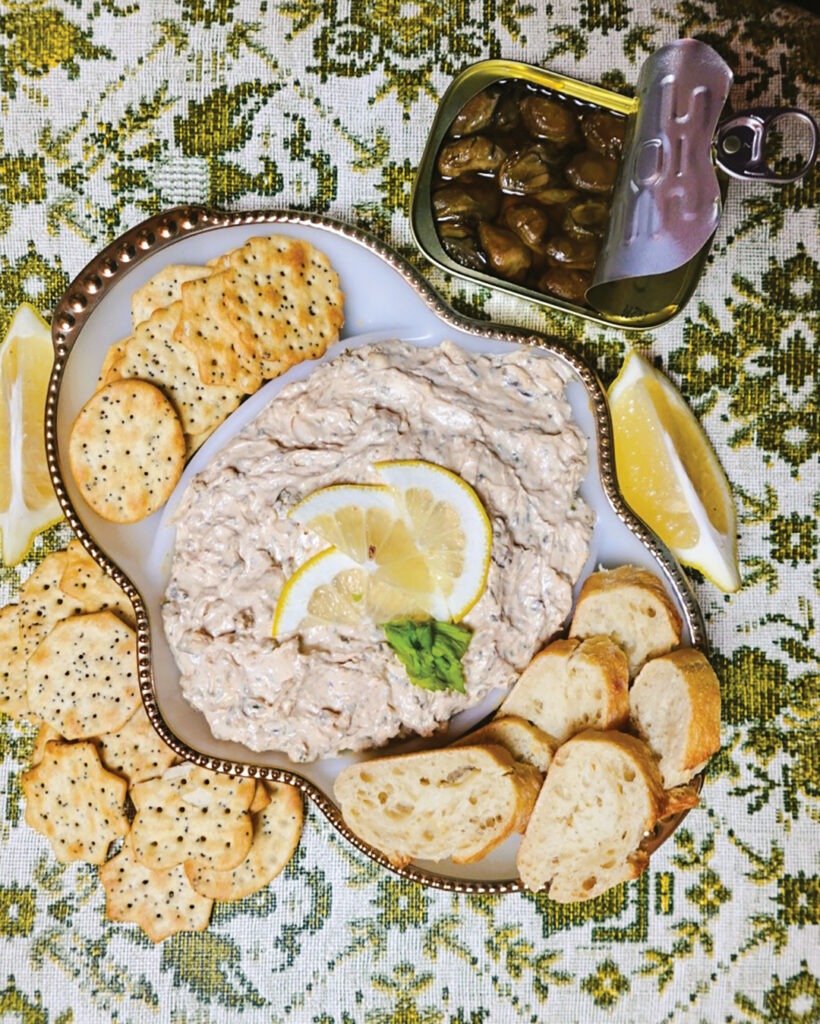
Back when folks relied on what they could grow, catch, or put up themselves, the pantry was a map of the seasons: jars of figs and mayhaw jelly from spring, tomatoes and shrimp from the heat of summer, tasso and cushaw from the fall. Come winter, when the fields rested and the days grew short, those jars came back to the table like old friends. You could taste July in a spoonful of sauce piquante or hear your grandmother’s laughter in a bowl of shrimp gumbo.
Cajun communities formed in the 18th century when French-speaking Acadians were exiled from Canada and settled in southern Louisiana. Living in the bayous and along the Gulf Coast, they adapted their cuisine to local resources—especially seafood. Shrimp were abundant in the Gulf, and drying them became a practical way to preserve food before refrigeration.
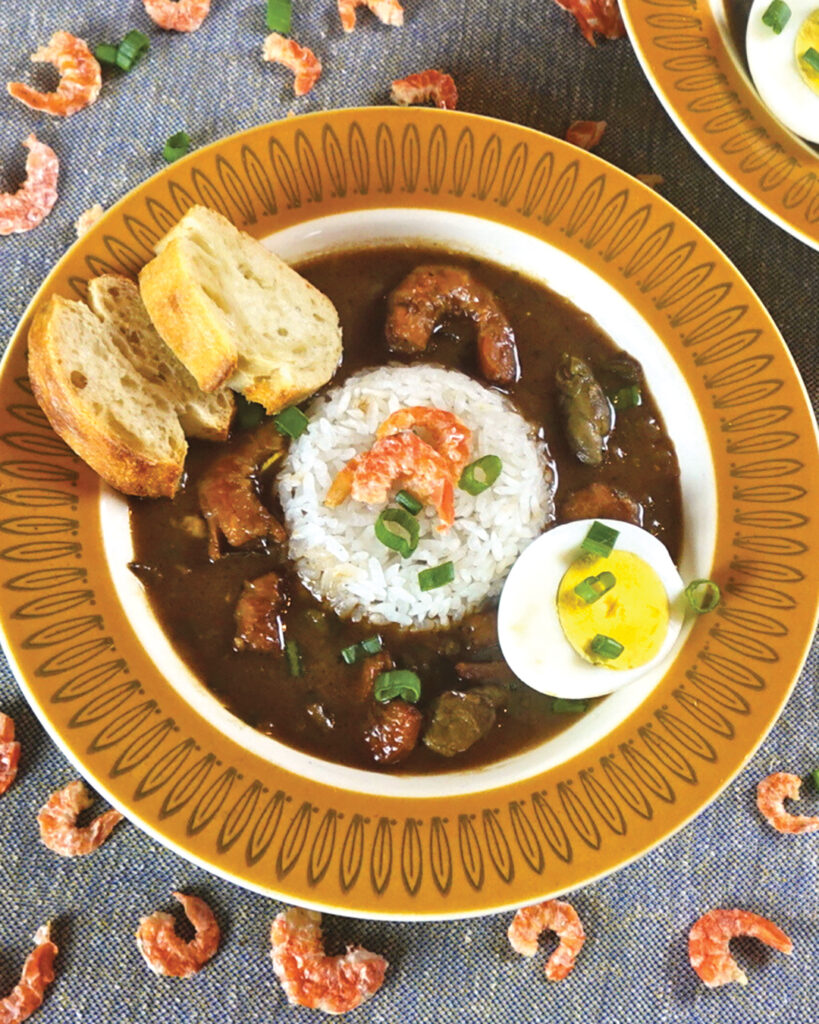
These seafood-blessed communities didn’t fare well when winter came and stole their favorite food. Over time, dried shrimp became a staple in Cajun pantries, as it was easy to store, rich in flavor, and perfect for adding depth to stews, gumbos, and rice dishes. As Cajun cooking developed its bold, spicy identity, those little shrimp often found themselves tossed with seasonings and turned into flavorful morsels between chores.
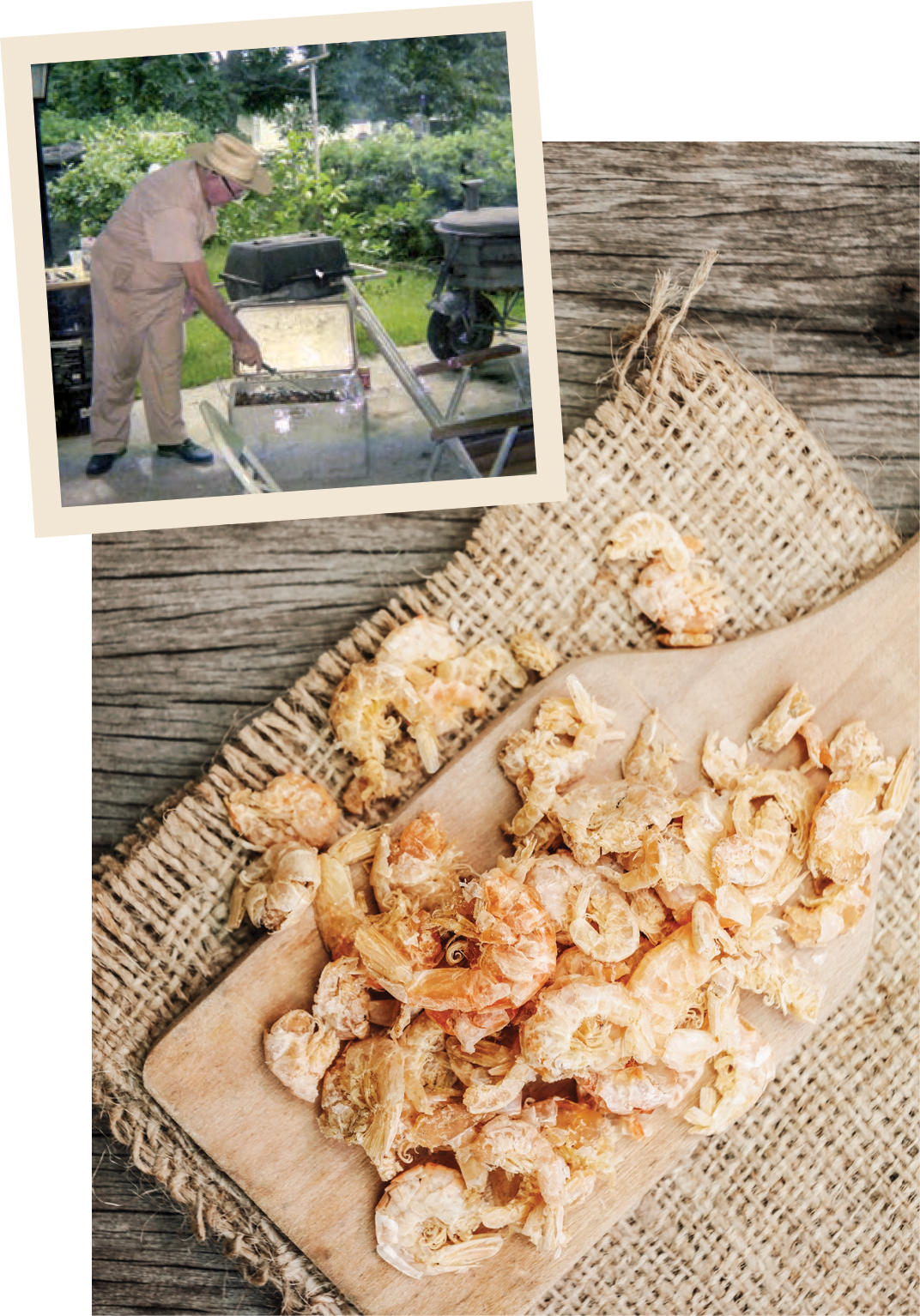
A well-worn story in my family is of my MawMaw drying shrimp on old window screens. She’d layer the fresh-caught shrimp on wood-trimmed screens, setting them in the sun until they turned the soft pink of a winter sunset—soon to become snacks or the base of a good gumbo when the cold settled in.
By the back door sat her trusty pellet gun, always within arm’s reach to scare off the minous—the neighborhood cats who thought they’d found a free seafood buffet. She claimed she never hit one, just made enough racket to remind them whose porch it was.
That porch smelled like salt and stories. The air carried a hum of patience—the kind you only learn from living close to the water. MawMaw never measured much, but she knew time and tide. Come January, when the nights got long and the shrimp boats were docked, she’d pull a jar from the pantry and toss those sun-dried shrimp into the pot. One whiff and it was summer again, a taste of the Gulf kept safe for winter.
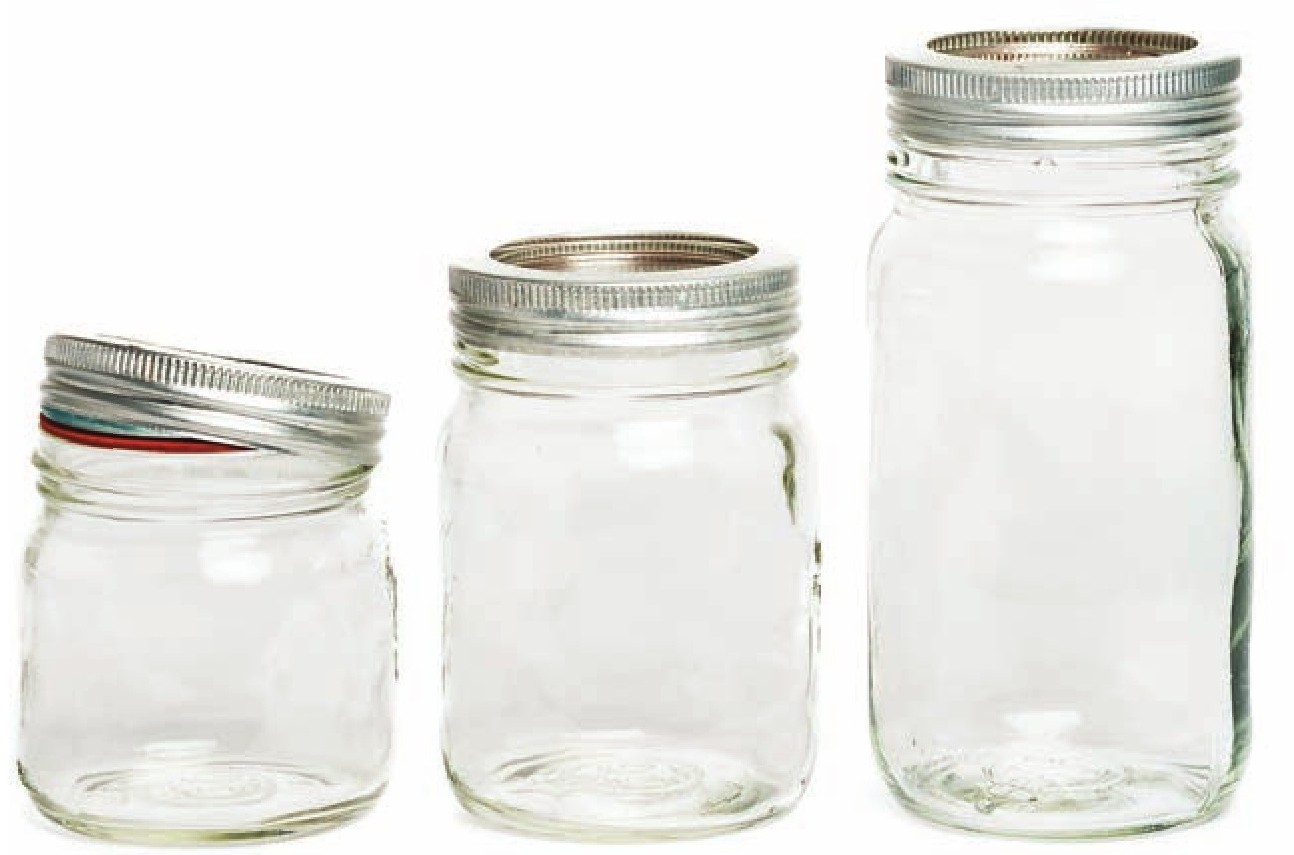
The history of canning and preserving in Louisiana runs deep, rooted in the region’s agricultural and cultural traditions. Long before modern refrigeration, preserving food was essential for survival, especially in rural communities and among Louisiana’s diverse peoples—Cajun, Creole, African, Native American, and others. Early methods like drying, salting, smoking, fermenting, and pickling helped families store food through hot summers and storm seasons.
In Louisiana, home canning became a way to hold on to the harvest—jars of shrimp, crawfish, figs, mayhaws, muscadines, okra, beans, and peppers lined kitchen shelves like jewels.
From summer into fall, families prepared for the winter bounty. In kitchens across Louisiana, jars of fruits and vegetables sat in their water baths, waiting to be sealed, little time capsules of sunshine meant to be opened when the heat took its nap. Pressure cookers sat in the corner, ready to sing their song.
That’s where you learned life lessons about patience. From hastily grabbing a hot jar and watching it shatter into a sticky mess of glass and tomatoes on the floor to being an impatient 8-year-old cramming sliced fruit into the pressure cooker before running outside to play. A large explosion and the shrieks of tantes and mawmaws let you know your “work smarter, not harder” plan might have needed more thought. To this day, you can still spot tiny bits of kumquat on that kitchen ceiling. Not saying I was spanked, but let’s just say I had a close relationship with a wooden spoon that day.
The history of Cajun smoked meats traces back to the early Acadian settlers, who relied on farming, hunting, and preserving to survive. Smoking became a key preservation method in the hot, humid climate. In true Louisiana fashion, they made it delicious. Cuts of pork, sausage, tasso, and even wild game were seasoned with bold spice blends, garlic, cayenne, black pepper, and herbs and then slow-smoked over pecan or hickory. It not only kept the meat longer but filled it with flavor that became the heart of Cajun cooking.
When the cool weather crept in, so did the boucheries, neighbors gathering to butcher a hog. Some of the meat was eaten that day, but most was carefully preserved to replenish last year’s bounty. Links of sausage and hunks of tasso hung in the boucanieres, slowly drying in sweet smoke before being tucked into clay pots of rendered fat.
Come winter, it was a beautiful sight: shelves lined with promise, the scent of smoke and spice hanging in the air. But in summer, that same fat turned into your ultimate punishment. The unlucky ones, usually the ones who didn’t behave, were sent to dig elbow-deep into that well-aged fat to fish out the last of those smoked treasures. My arm needed no moisturizer; it was well-oiled and shining like a lesson learned—a hard-earned lesson in patience and in keeping your mouth shut when the Corelle coffee cups hit the table.
Preserving food wasn’t just about survival; it was about family and community. Canning days brought generations together, with recipes passed down by memory and laughter. These traditions shaped Louisiana’s rich food culture, making it possible to enjoy local flavors year-round.
Today, canning and preserving continue not just as a skill but also as an act of remembrance. Keeping Louisiana’s bold, homegrown flavors alive, one jar, one story, and one mawmaw’s spoon at a time.