by Daniel Schumacher

Across the Bayou State, a great meal is often never more than a few minutes away. Whether it’s your grandmother’s house, an old-line white-tablecloth restaurant, or a boudin shop, Louisianans are spoiled for options. Many Louisiana-born and -trained chefs opt to stay closer to home, but in this story, we reached out to four chefs from south Louisiana who took their show on the road and settled in farther-flung parts of the region. From Washington, DC, and the mountains of Tennessee to just over the border in Houston, Texas, you’ll see how these chefs’ upbringings have led them to introduce new cities to homespun (and higher-end) Louisiana flavors.
Kelly English
RESTAURANT IRIS AND THE SECOND LINE
Chef Kelly English grew up near the New Orleans lakefront but traveled a bit before coming back as an adult. After finishing high school in Baton Rouge, he studied at the University of Mississippi in Oxford (Ole Miss), and though he’d had a love of food growing up, it was during a study abroad trip to Spain’s Basque region when he felt a calling to make others happy through this love of food. Kelly honed his skills at the Culinary Institute of America in Hyde Park, New York, and then had a formative experience at Restaurant August (cooking on the line with Louisiana Cookin’ Chefs to Watch Phillip Lopez, Michael Gulotta, and Todd Pulsinelli, among others). Since 2009, he’s shared his interpretation of New Orleans cookery at Restaurant Iris, The Second Line, and Swamp Bar in Memphis, Tennessee.
What was it like leaving New Orleans?
What was your goal when you opened Iris?
I really wanted to open what I saw as modern Creole cooking—not a tourist version of it, but a native New Orleans version of it—in Memphis. Five years later, the space next door became available, and we opened a po’ boy shop there named The Second Line. It’s my favorite restaurant on the planet. [It’s inspired by] R&O’s on the lakefront, which is my New Orleans restaurant of record. I feel like the further you get outside New Orleans, the worse po’ boys get because people try to put their own spin on them, and that’s not what we do. We make them the way God intended them to be: with mayonnaise, lettuce, tomato, and pickle and really well-thought-out proteins and cheeses or vegetables inside of them. I would be proud to have this restaurant inside of New Orleans.
How did you adapt your New Orleans mindset to create something that would thrive in Tennessee?
I wanted to take the things that I had seen happening in New Orleans right now and do them here with the ingredients that we have here. Obviously, I’m not just talking about seafood, but we have different produce that grows up here. I wanted to take the principles of the conglomeration of [techniques and traditions]—we hear a lot about French and Spanish, but what we don’t hear as much about [is] African cooking that we have in New Orleans and where it really came from—and apply those to the things that I could find up here. We’ve gotten to do something a little bit different that I don’t think had truly been done yet here in Memphis.
Tell us about a dish that really captures what you do.
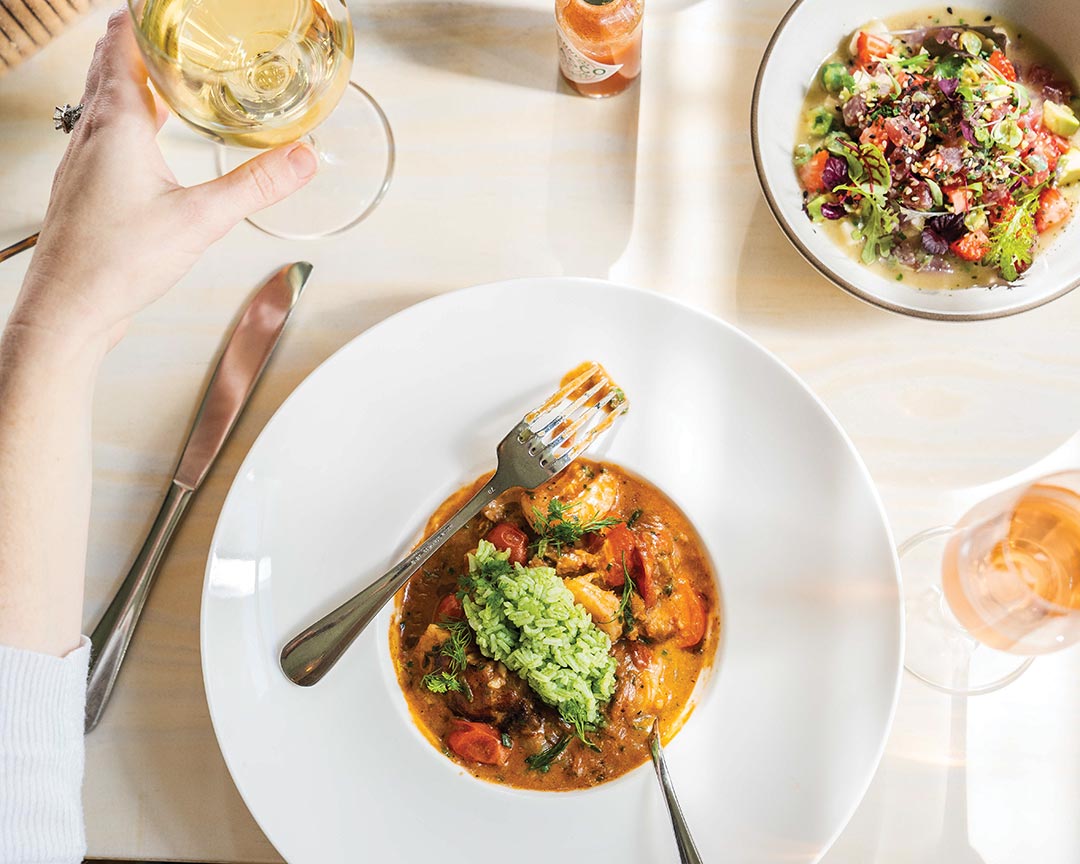
There is one specific dish that I can’t really relate back to any dish that I’ve had anywhere else. It’s a grilled piece of cobia and grilled shrimp over a tomato salad. The sauce around it is what we call a harissa café au lait. It’s got pasilla chiles, coconut milk, shrimp stock, lime, cumin, coriander, and some garlic, among lots of other things. We put [the sauce] in a coffee press, press it tableside, and pour it all over it. There truly is nothing really Creole about it except for the spirit that we treat it with. It’s a dish that I’m really very proud of. I think it speaks to an evolving South and kind of a micro south New Orleans.
I think that the definition of New Orleans culture changes from over time. It’s certainly changed from when I lived there last in 2008. You know, you’ve had an amazing influx of Latin American influence—since that group of people came to help rebuild the city after Katrina—and you see the further emergence of the Asian cultures that have lived in New Orleans East. That dish to me is kind of a glimpse to me of what I think the future of New Orleans could look like, not to be too poetic about it.

WHAT DO YOU LOOK FORWARD TO WHEN YOU’RE BACK IN NEW ORLEANS?
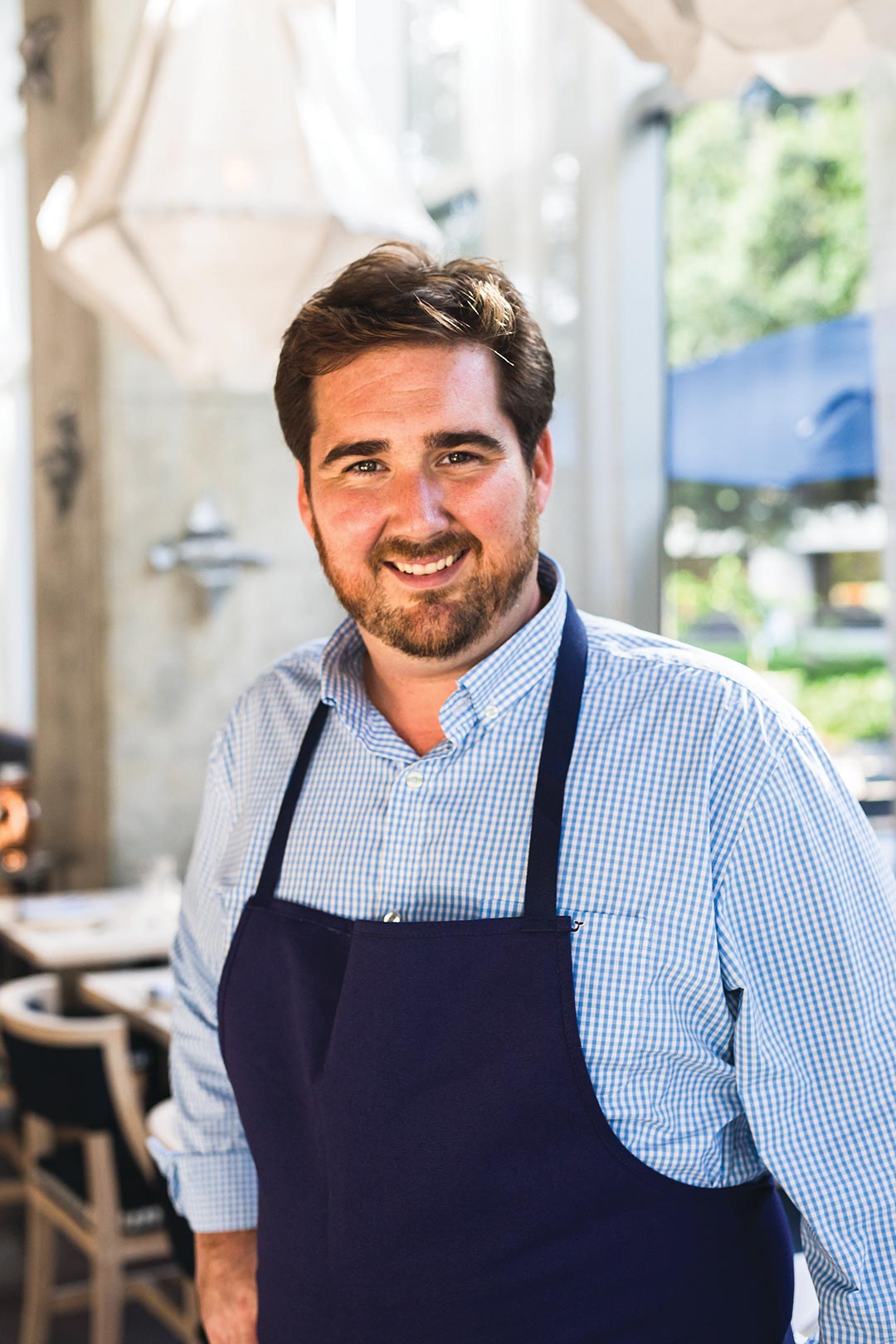
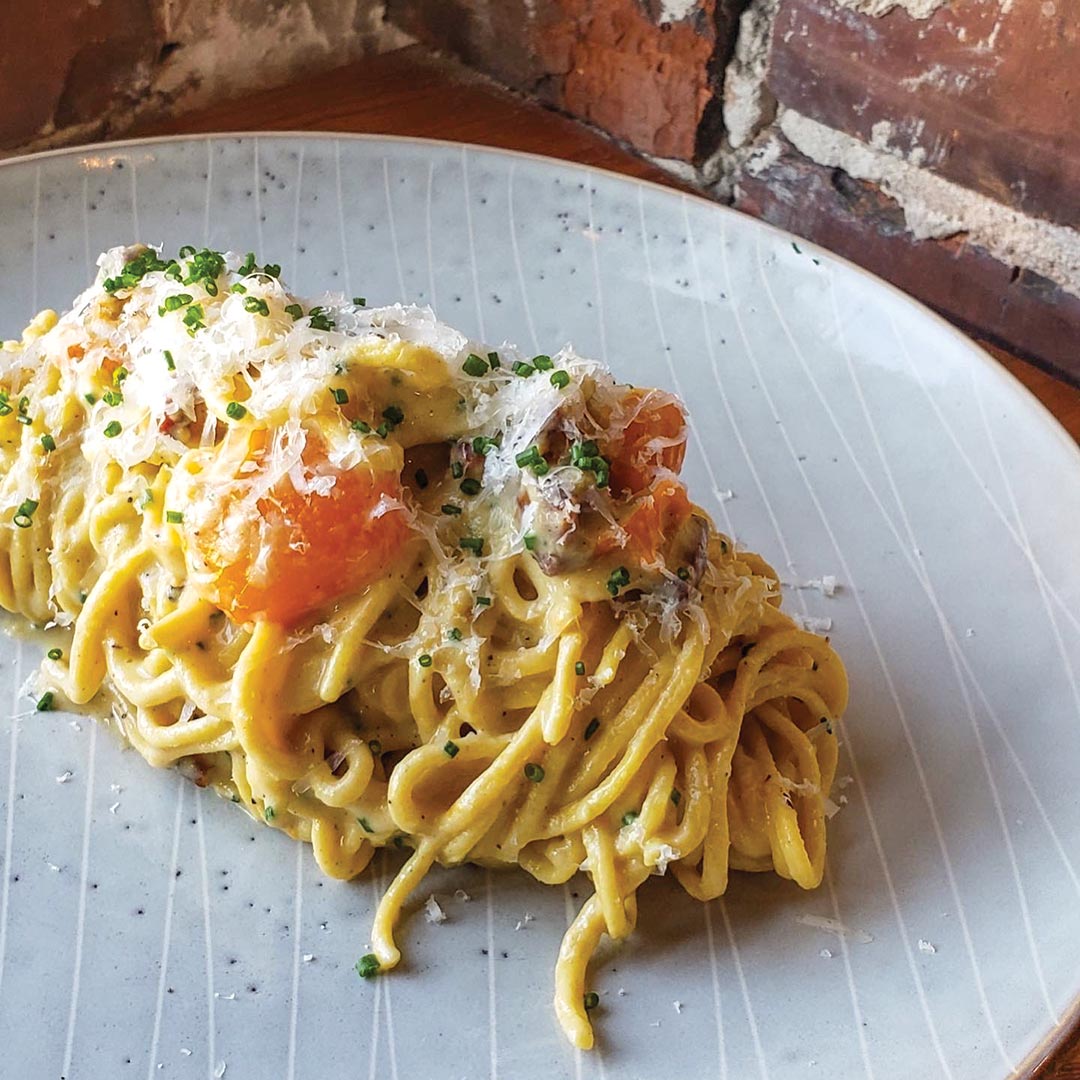
Raised on the Cajun prairie in Eunice, Chef Drake Leonards has always been drawn to honest, homespun country cooking. The plates of rice and gravy, étouffées, and gumbos of his childhood informed his culinary aesthetic that he honed at the Chef John Folse Culinary Institute at Nicholls State and took with him as he worked in kitchens across New Orleans, New York City, and Europe. For the last eight years, he’s run Eunice in Houston, Texas. Its proximity to the Bayou State and the Gulf ensure that his diners would have a good understanding of the Louisiana-influenced dishes he and his team serve up. The city’s international audience, along with his own travels, has unlocked a freedom and unapologetic creativity that infuses the menu.
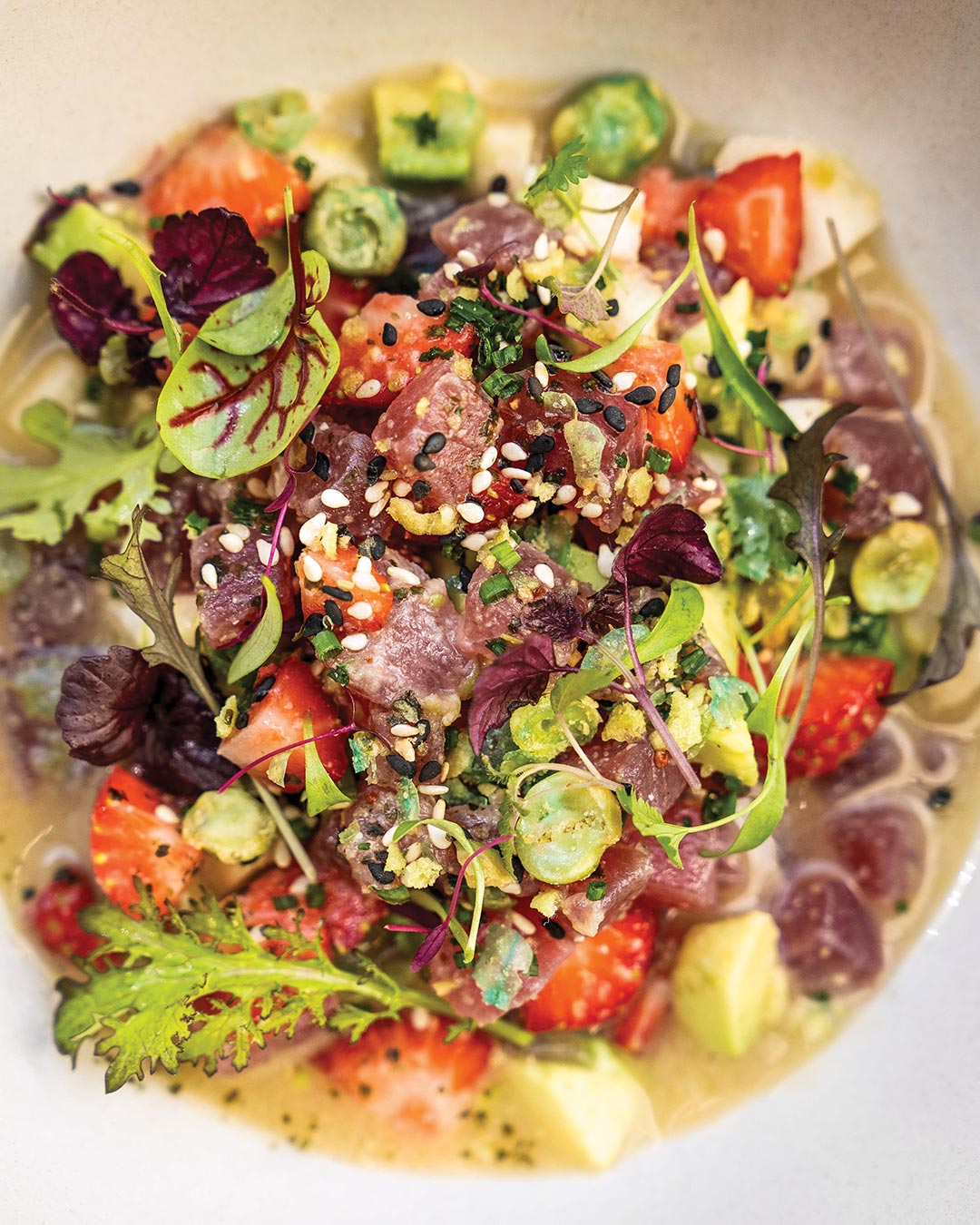
How do you describe what you do at Eunice?
We’ve taken some of the flavors and the ethos that I had growing up in south Louisiana, but we’ve also taken what’s great from the coast of Texas. Today, Houston reminds me of probably what New Orleans was like a couple hundred years ago, where it’s a port city in a place with so many [different types of] folks who have now made it their home, so their flavors and ingredients have made their way into the cuisine.
How did customers react to your menu when Eunice opened?
The diners here are extremely knowledgeable. There are so many folks with Louisiana ties here. We opened up in the fall, and we had a shrimp étouffée, but we served it with pasta. I lived in Europe [for a while], made pasta in Italy, and felt good about serving that étouffée with our spin on it. Being in Houston, we could do things a little differently, not exactly the way we would have eaten it growing up.
How have things changed over the last eight years?
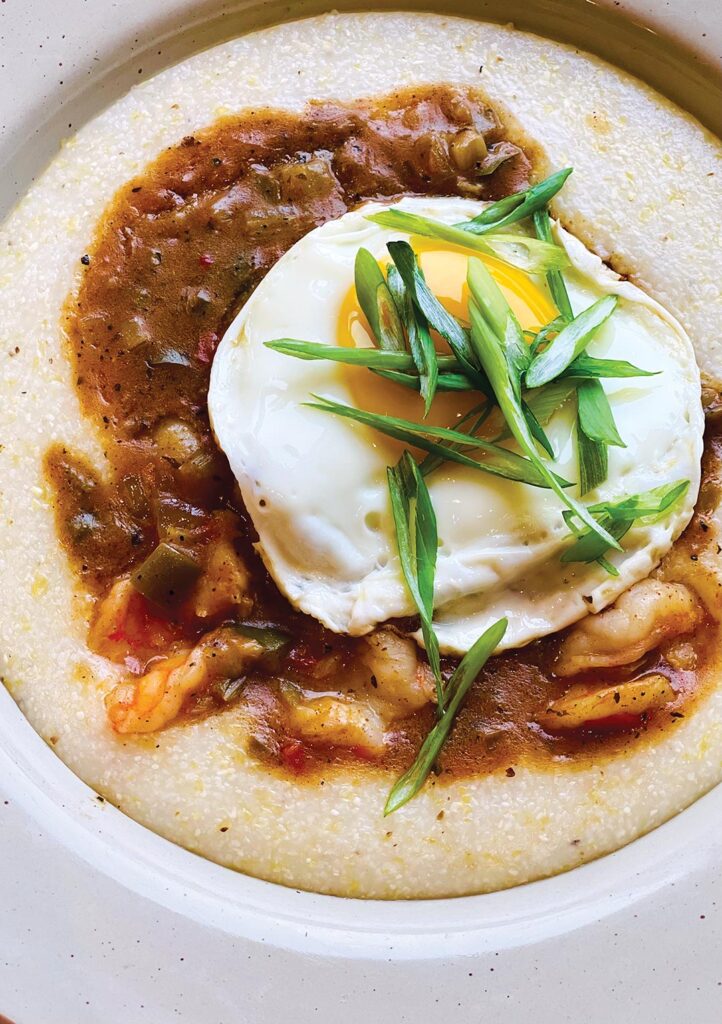
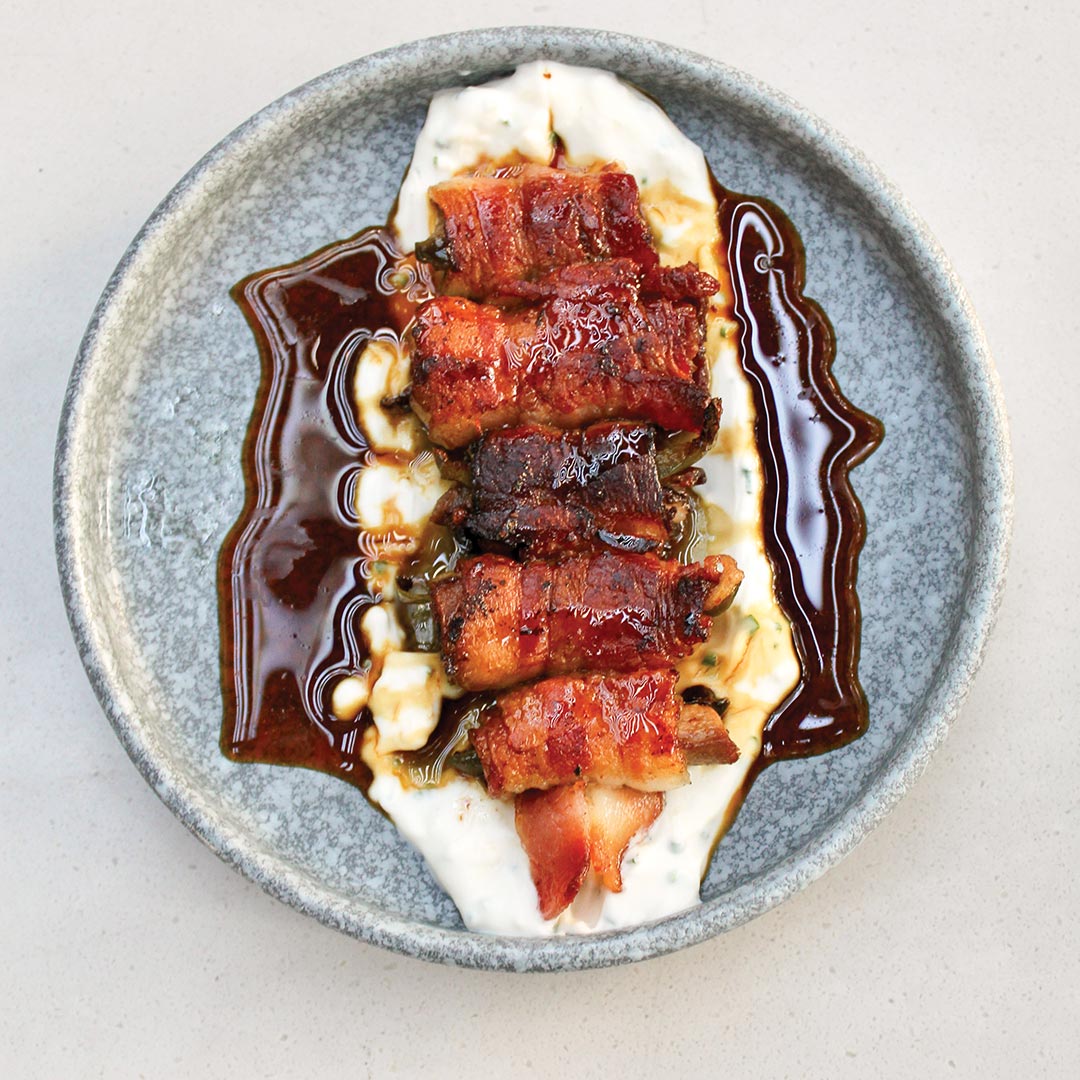
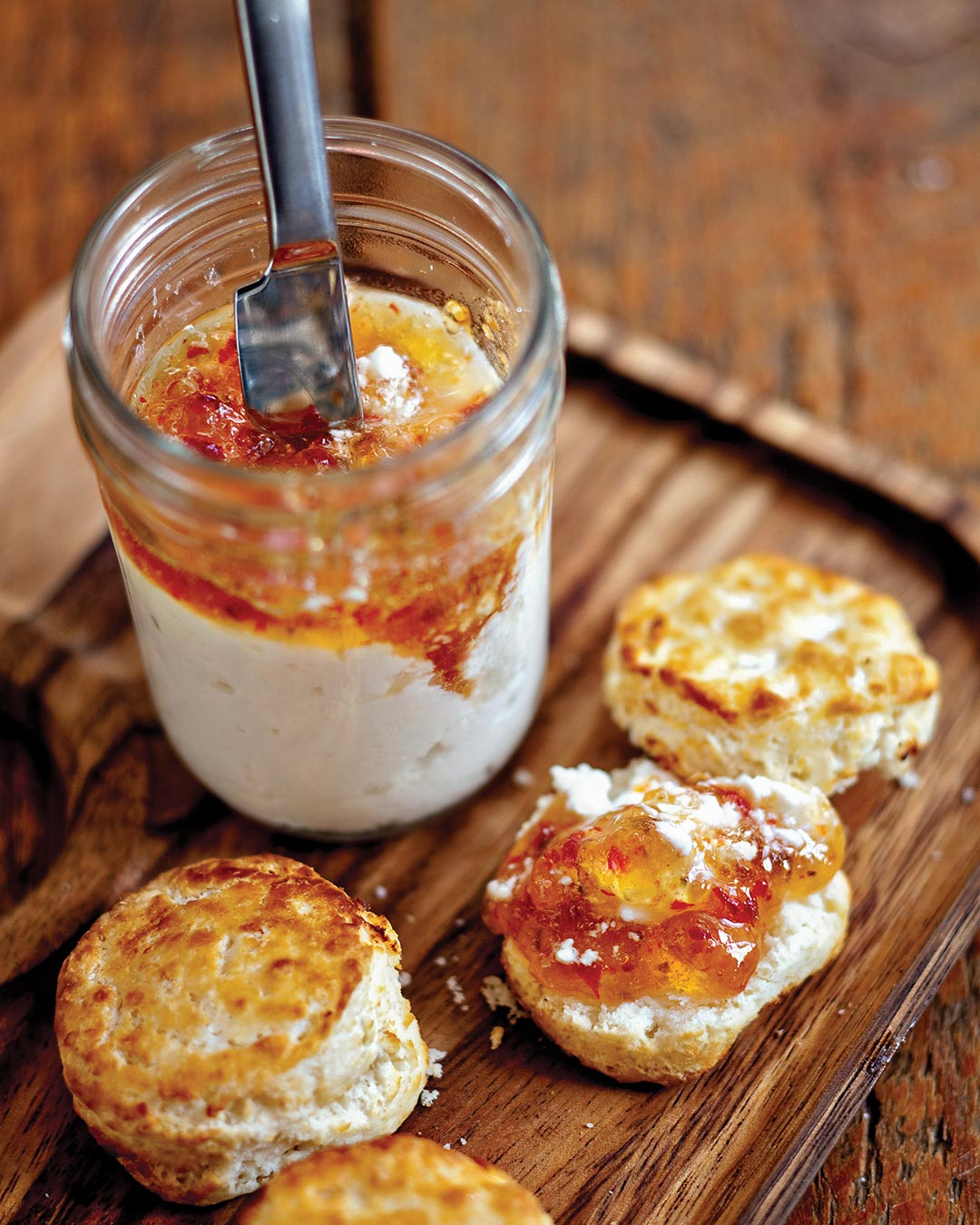
There are so many great restaurants and purveyors bringing in so many international ingredients. Whether it’s dry spices and chiles or white soy, there are just so many different ingredients that we’re able to get our hands on and play with. So, that’s really how my cooking has evolved over the years. We love to sneak some things in [to the dishes at Eunice], like fermented Korean chili paste, which we love to put a little bit of in pepper jelly, or we sneak a few piquillo peppers into our shrimp and grits. But we pair it with great andouille sausage from Louisiana. Houston has sort of become this little melting pot, so it can be kind of weird trying to use the best ingredients that we can get our hands on while still staying true to what Louisiana has to offer today.
When you opened, did diners have strong feelings about Louisiana cuisine?
A large amount of folks here have spent a lot of time in Louisiana, whether they were born there or moved for work. Whether it was Katrina that brought them here or they just went to college in Louisiana, I’ve met so many folks that have Louisiana stories and really have a true understanding of the cuisine. Cooking is something that’s very personal. I didn’t grow up with your grandmother and you didn’t grow up with mine, but I think as long as we cook with great ingredients and we cook in a way that is authentic and genuine to ourselves, I think that will resonate with people. Louisiana has always be our north star. But also, the world is full of delicious, bold flavors, and we’re not afraid to incorporate those things into what we do here at Eunice.
How did your education and international travels influence what you’re cooking now?
WHAT DO YOU LOOK FORWARD TO WHEN YOU’RE BACK IN LOUISIANA?
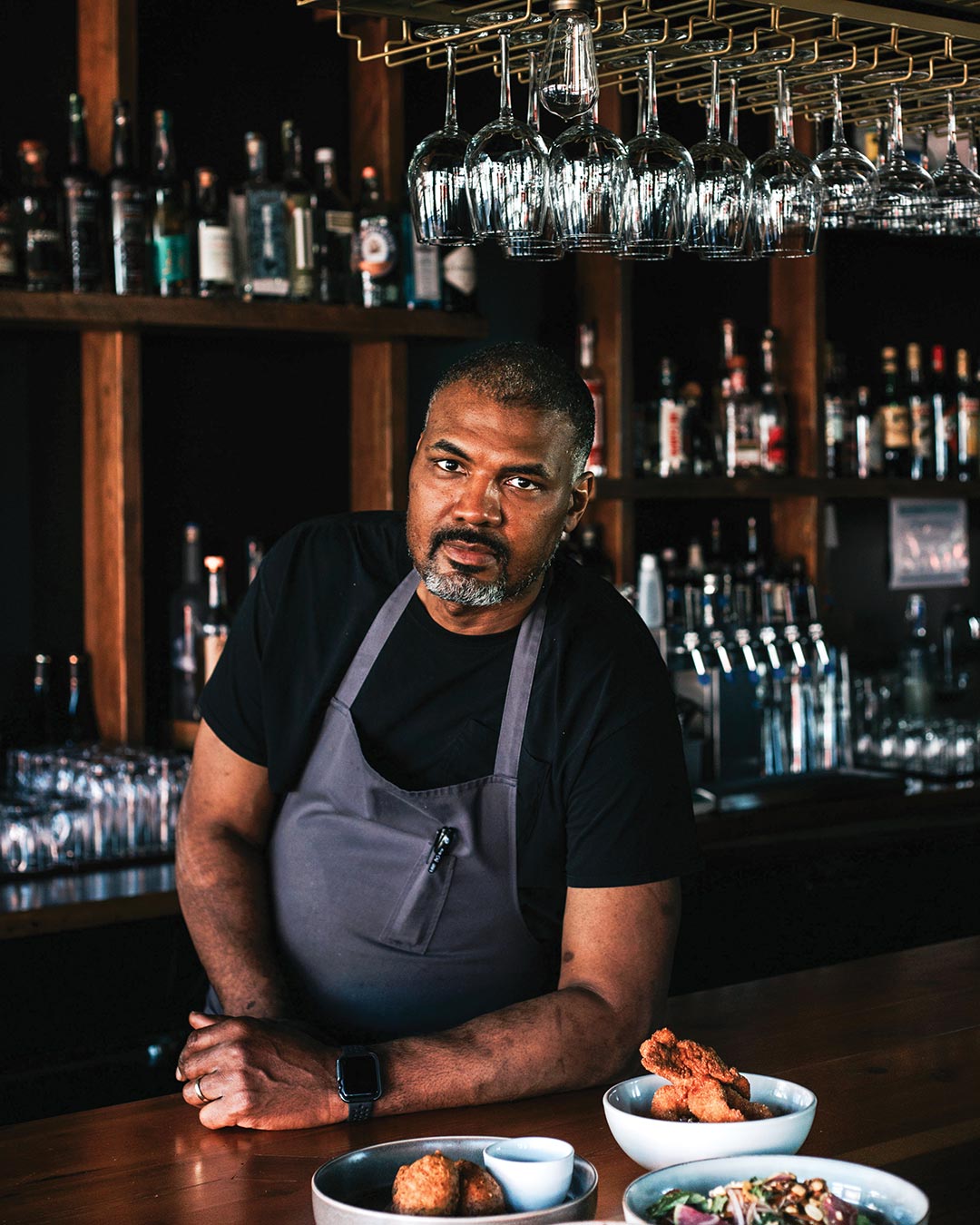
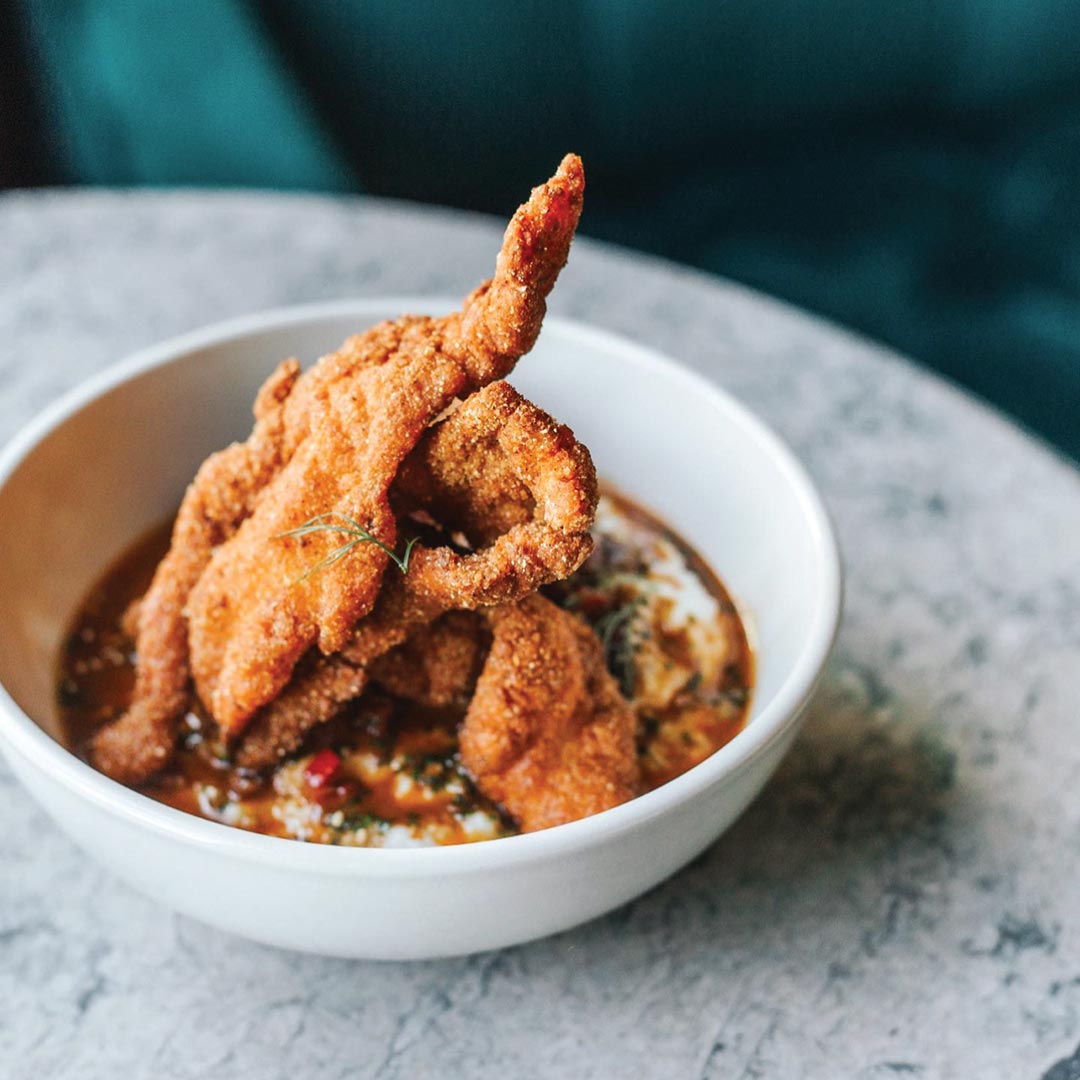
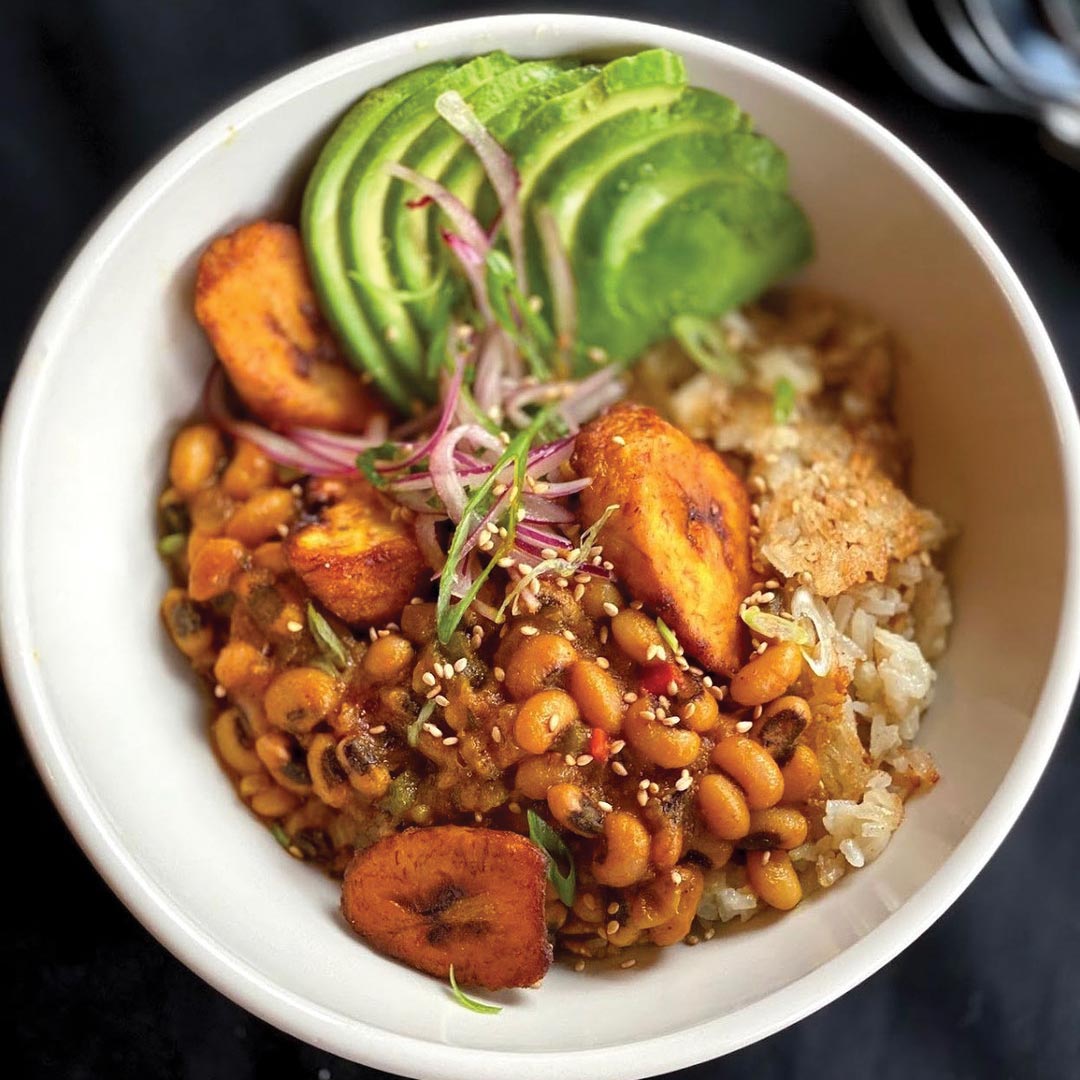
When Algiers native Kenyatta Ashford left the city to head to Tennessee, his view of the culinary world was somewhat limited to what he grew up with. In the years since, he’s studied at the Culinary Institute of America, trained with the team at Restaurant August in New Orleans, and cooked at the world-famous Blackberry Farm in Tennessee and country clubs in the Northeast, but extensive travels through West Africa let him experience firsthand the building blocks of New Orleans and American Southern cuisine. This summer, his Afro-Creole restaurant Neutral Ground—which has existed in various forms—reopens in Chattanooga, Tennessee, and his diners will be treated to his interpretations of dishes throughout the African diaspora.
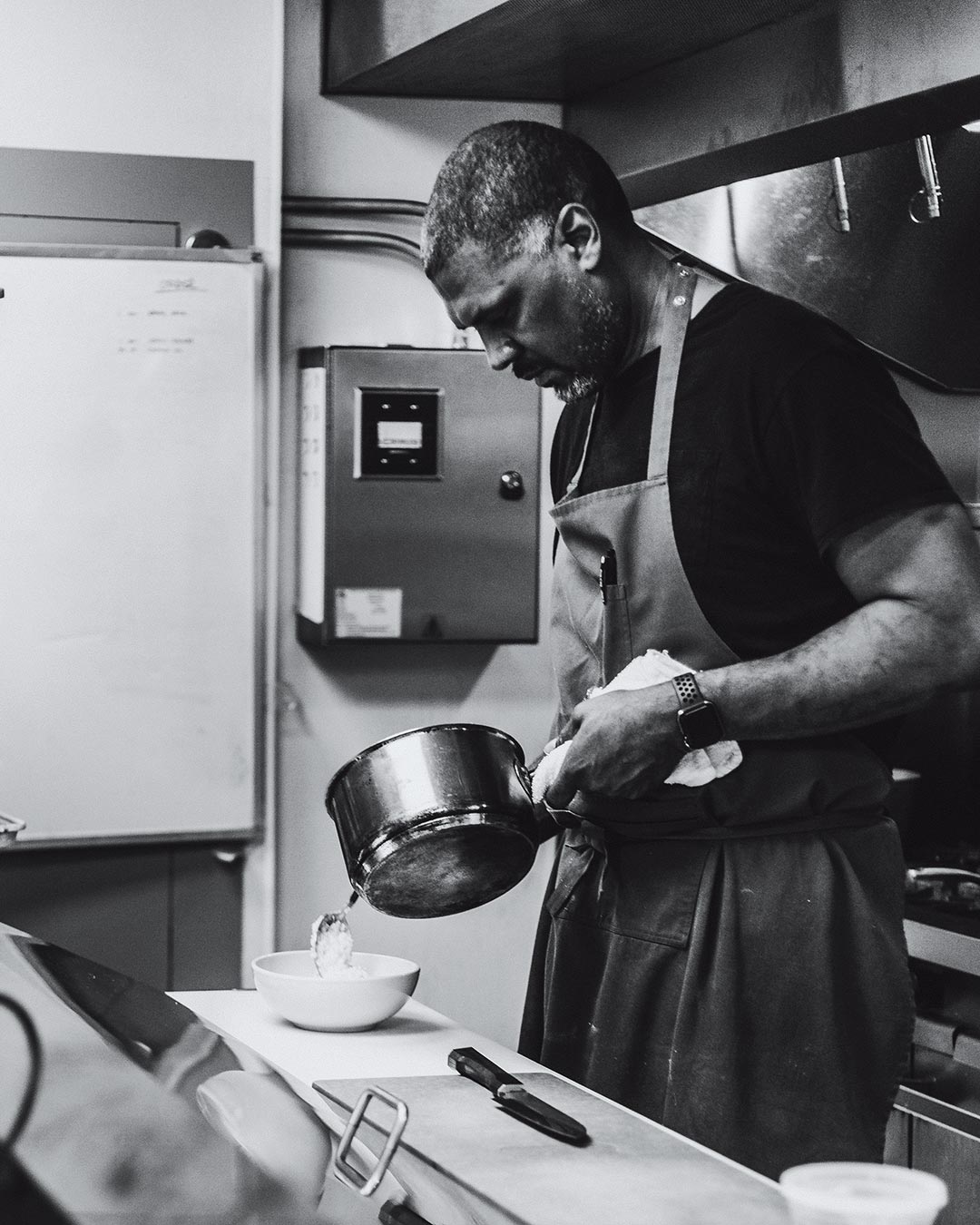
Do you have any special memories from growing up in New Orleans?
During Mardi Gras, we would kind of use my godfather and godmother’s house as a central base so we could camp out under the Claiborne Bridge, watch the Zulu and Rex parades. One of my uncles would do barbecue and then my mom would handle everything else. She would make red beans and rice, some jambalaya, and things like that. My aunts and uncles would come from out of town—one from Milwaukee, [Wisconsin,] others from Detroit[Michigan]—and we’d just kind of spend the day having a family reunion on Mardi Gras Day
What are some New Orleans foods that hold a special place in your heart?
Po’ boys were big for me, and yakamein. My parrain was a lover of yakamein, and my mom would often make it at home, so I really didn’t get yakamein a lot from corner stores. My uncle was probably more of a connoisseur of eating it that way. I remember going to one of the meat markets and getting the number 1 Meat Special for my mom so she could make a pot of red beans or some neck bones and potatoes or something like that.
At one point in your early career, you got burnt out. What did you do to get out of that?
What reminded you most about New Orleans when you were in Benin?
WHAT DO YOU LOOK FORWARD TO WHEN YOU’RE BACK TO NEW ORLEANS?
David Guas
NEUTRAL GROUND BAR + KITCHEN
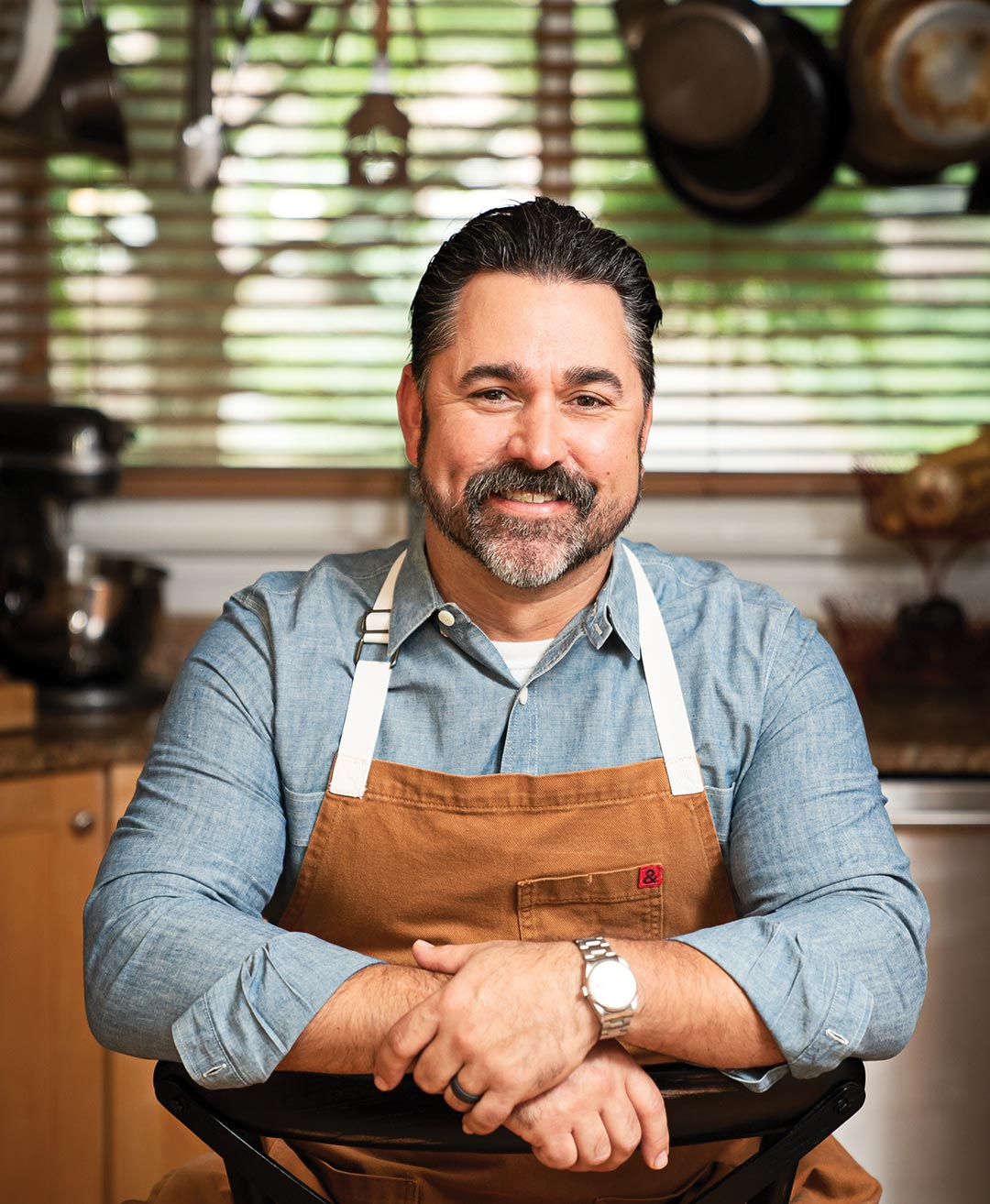
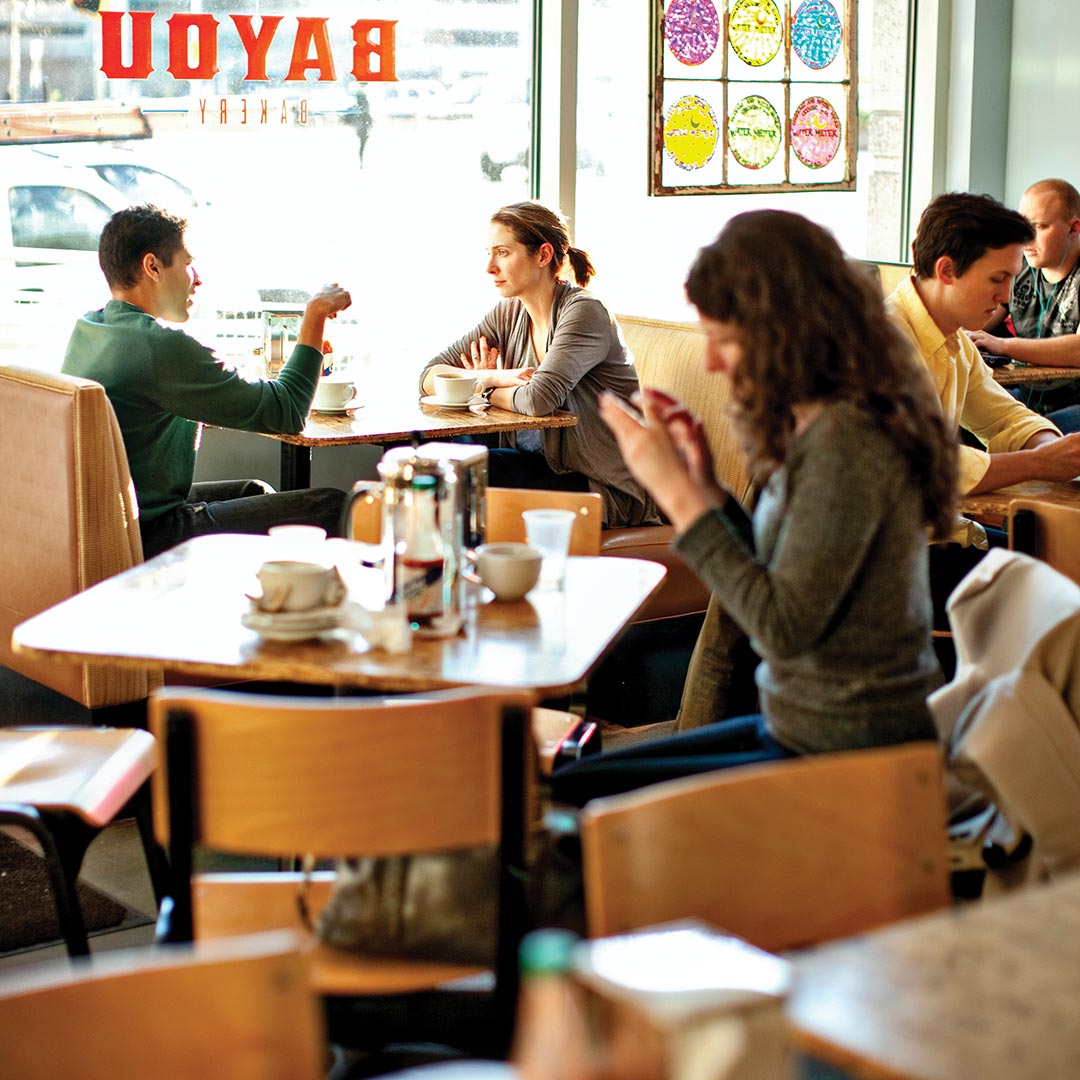
Building a 40-foot-long shrimp and oyster po’ boy at the White House following the devastating 2010 BP oil spill might not have been what McLean, Virginia-based chef David Guas was imagining when he took his first food service job as a young man—making Philly cheesesteaks at a shopping mall food court in New Orleans East—but over nearly 30 years, he’s made a name for himself as a source of authentic Louisiana flavor in the National Capital Region. David moved from the Windsor Court Hotel in 1998 to help Chef Jeff Tunks open a series of restaurants in Washington, DC, before striking off on his own to launch Bayou Bakery in nearby Arlington, Virginia, in 2010. After two cookbooks and a Travel Channel series, David opened Neutral Ground Bar + Kitchen in nearby McLean in 2024.
When you were working with Jeff Tunks’ restaurant group, were there New Orleans fingerprints on the menu?
DC Coast was a tri-coastal concept that covered the West Coast, Gulf Coast, and the Atlantic, so we had oyster dishes and a gumbo on the menu full-time. Then, when we opened Acadiana, which obviously was 100% Louisiana in all aspects, we had a Steen’s cane syrup-lacquered duck with collard greens and dirty rice, and it was just great. And Jeff would often make a dish and ask me my thoughts on it, like, not really for getting my approval but, you know, I was part of that sort of blessing of whether or not something was authentic.
How has your menu changed at Bayou Bakery over time?
It’s been 16 years this November, so yeah, the menu’s changed over time, but it’s more like it’s tweaked regularly. My gumbo hasn’t changed since we opened the doors. There are only two people, myself and Delia, our head cook and kitchen manager, who are allowed to make the roux or the brown chicken stock. She’s the only one, and she’s been with me 14 years. She can’t go anywhere [laughs]. We’re blessed that 90% of our culinary team has been with us for more than 10 years. [Our guests] don’t want everything to change; they don’t want to walk in and not be able to get their favorite thing.
How is it different for you being so much farther north?
Crawfish season for us, for example, is different than crawfish season in Louisiana, because they’ll start harvesting in Louisiana as early as November and December and then it starts to slow down as the water warms up. We start to ramp up when weather gets more of a crawfish-eating, crab-picking weather, not when it’s 14° outside and you’ve got blue/purple lips and you’re sucking heads and pinching tails. We do two boils a month in April, May, and June.
What is the general level of knowledge of your guests and how did you deal with setting the right expectations?
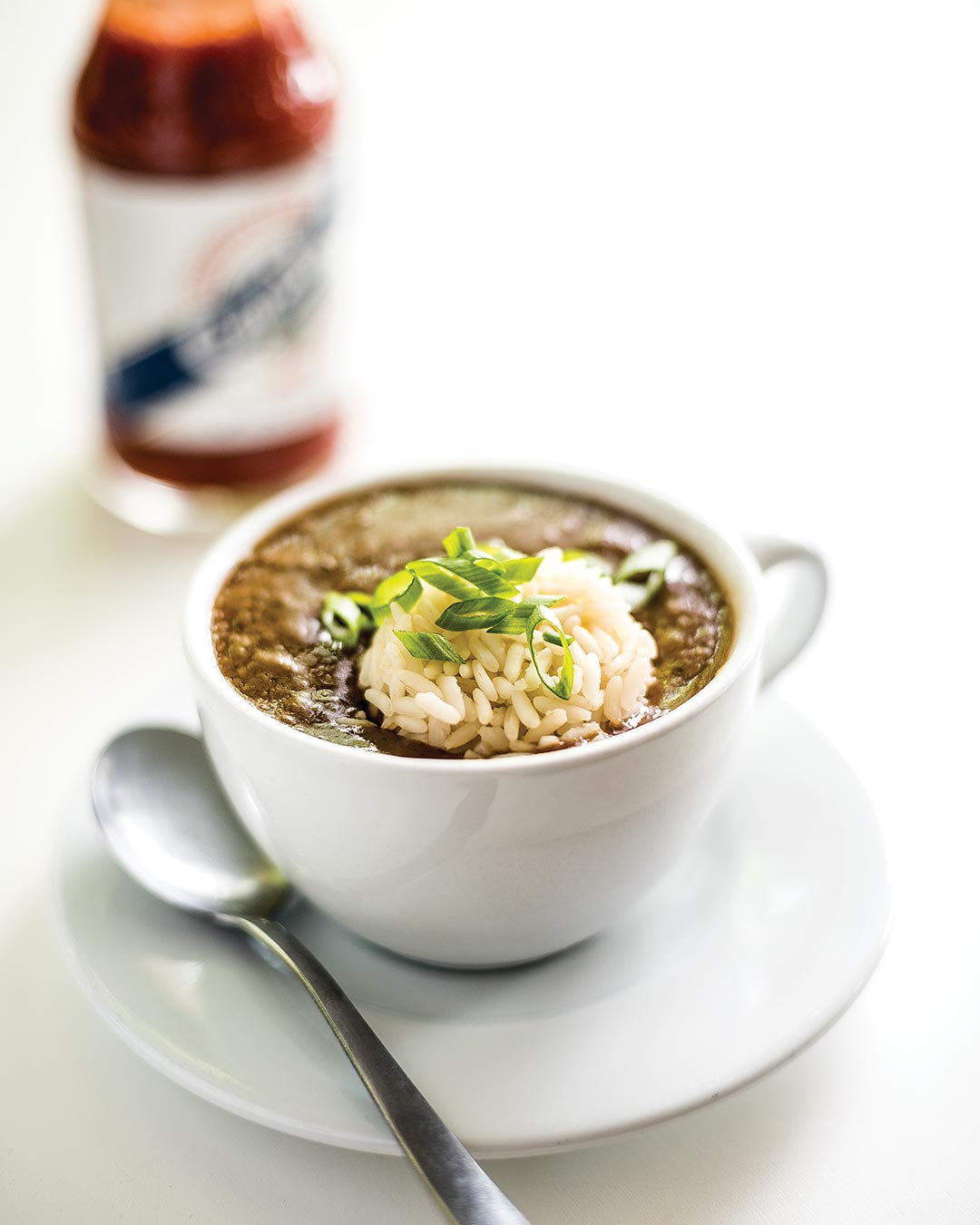
Part of our training for baristas back in the day was teaching them the quick-fire responses for questions Louisianans would probably ask at the register. It became part of the handbook and the training process. Get ready for a Louisianan to ask: “Does your gumbo have okra in it? Does your gumbo have tomatoes in it?” Because if you say, “Yes, it has tomatoes,” some people will walk right out. Okra is a personal thing; people either do it or they don’t. The other challenge is that there are so many versions of gumbo and not one of them is right or wrong—well, plenty are wrong, but we won’t go there. If you’re from that state and that’s the gumbo you grew up with, no one on this earth can tell you it isn’t gumbo.
How has it been sharing the foods that you grew up with and have such a strong connection to?
It’s about a constant connection and telling our story through food and hoping other people see the dish as representing a culture and telling a story through food, because otherwise, gumbo is just a soup. And I would never say that, but in its simplest form, food isn’t anything unless it’s connected to something bigger and richer. So, when you use food as that catalyst or charge, the engine that makes that connection, it doesn’t matter what language you speak, when you get together and share a cup of gumbo, that’s the language right there. As a Louisianan, just using “gumbo” and “soup” in the same sentence makes me want to call my priest and confess my sins, but I think that’s the reality.
“Growing up in New Orleans, you learn early to respect what came before you. History isn’t just something you visit—it’s something you live and taste. That’s why when I found Washington Gristmill Grits, I knew immediately. The purity of the origin, the water wheel, the stone grinding—it’s a symphony of movement and sound. [. . .] For me, that’s what local means. It’s not just about the mile radius; it’s about the integrity of the source. These grits have a story, and when something has a real story, you can taste it.”—CHEF DAVID GUAS, NEUTRAL GROUND BAR + KITCHEN AND BAYOU BAKERY
WHAT DO YOU LOOK FORWARD TO WHEN YOU’RE BACK IN NEW ORLEANS?