Story by Daniel Schumacher, Photography by Kyle Carpenter
New Orleans and Lafayette are often the first destinations that come to mind when considering the Louisiana food scene. With their deep roots in Creole and Cajun foodways, it makes sense that they snag many of the culinary headlines, but there is a cadre of chefs and farmers in Shreveport-Bossier who have been hard at work bringing good, clean, local food to one of the Bayou State’s overlooked corners. Based in Haughton—about a 20-minute drive from downtown Shreveport—Evan McCommon and his family turned their farmland, which has served many purposes for the family across generations, into an engine of food excitement, changing the minds of chefs and everyday diners with every meal.
 Finding a New Way
When Evan took over the Mahaffey Farms property in 1995, it was essentially a timber operation. The pastures that had dominated the farm about 100 years ago were abandoned and grew into piney woodlands, and the family had adapted to the change. The region was about to face a downturn in the timber market, and Evan was faced with a challenge.
“It looked like our plans to have a good income from timber alone was not going to be that great,” says Evan. “The industry was taking a dip, and in that industry, a dip can last for decades. So, diversification was something I had to look at as a trustee of our family’s land to see what we could do to produce an income. After seeing Food, Inc. and learning about Joel Salatin’s [Polyface Farm in western Virginia], I endeavored to see if we could replicate some of that success.”
 Though Evan hadn’t seen it with his own eyes, Mahaffey Farms had once been a successful and prolific property. Founded by his great-uncle Harmon Hugh “Happy” Mahaffey in 1927, the farm had 200 head of Hereford cattle as well as a flock of turkeys, and the property boasted not only a sawmill but also a dairy. After Happy’s sudden passing in 1950, the farm fell into a cycle of decline with the sale of livestock and equipment, fields laying fallow, and the eventual dismantling of barns and fences. The family eventually transitioned to forestry, but by 2009, Evan began searching for a new way forward.
After traveling the country, thinking about his family’s roots, and seeing a need in the Shreveport-Bossier area, Evan decided to move the property from timber to a regenerative, diversified farm.
 Regenerative Farming
Regenerative farming is gaining attention as a compelling approach to agriculture thanks, in part, to films like Food, Inc. as well as The Omnivore’s Dilemma and other books by Michael Pollen, particularly for farmers looking to build long-term sustainability while maintaining profitability. From a business perspective, it offers several key advantages that make it an attractive way to run a farm.
“Regenerative farming is based on the idea that we are trying to make things better and not just be sustainable,” says Evan. “We’re trying to improve our soil health and improve the basic farm ecosystem, as far as we strive to increase biodiversity and by using natural patterns with livestock and plants. That will increase the nutrition of the final product while not degrading our resources.”
First, regenerative practices can significantly reduce input costs. By building healthy soil naturally through cover cropping and minimal tillage, farmers often find they need less synthetic fertilizer and fewer pesticides. The improved soil structure also retains water better, lowering irrigation needs and making farms more resilient to drought—a crucial benefit as climate patterns become more unpredictable.
The diverse crop rotations typical in regenerative farming can provide multiple income streams throughout the year, helping to buffer against market fluctuations or crop failures. Integration of livestock adds another revenue source while providing free fertilizer and helping to manage crop residues.
From a long-term perspective, regenerative farming builds rather than depletes farm assets. While soil degradation is a hidden cost of conventional farming, regenerative practices continuously improve soil health, essentially building equity in the land over time.
“There seems to be a lot more awareness of regenerative agriculture and pasture-raised products now and people are trying to find it,” says Evan. “We’re in an Air Force town with a lot of people moving in and out, so what we often find is that new people who come to town are trying to get a grip on the food scene. They come to the farmers’ market and that’s where we meet them.”
 A New Beginning
In 2012, Mahaffey Farms made its first sales at the Shreveport Farmers’ Market. Initially, Evan focused on chemical-free produce, but he came to the realization that the property, while prolific, wasn’t ideal for crops.
“I learned over time that our soil—we’re in a sandy hill area—is just about the worst kind of soil for vegetable production. It would be better if we were on a river bottom. We dialed back the produce, but we still grow some heirloom tomatoes in the pig barn.”
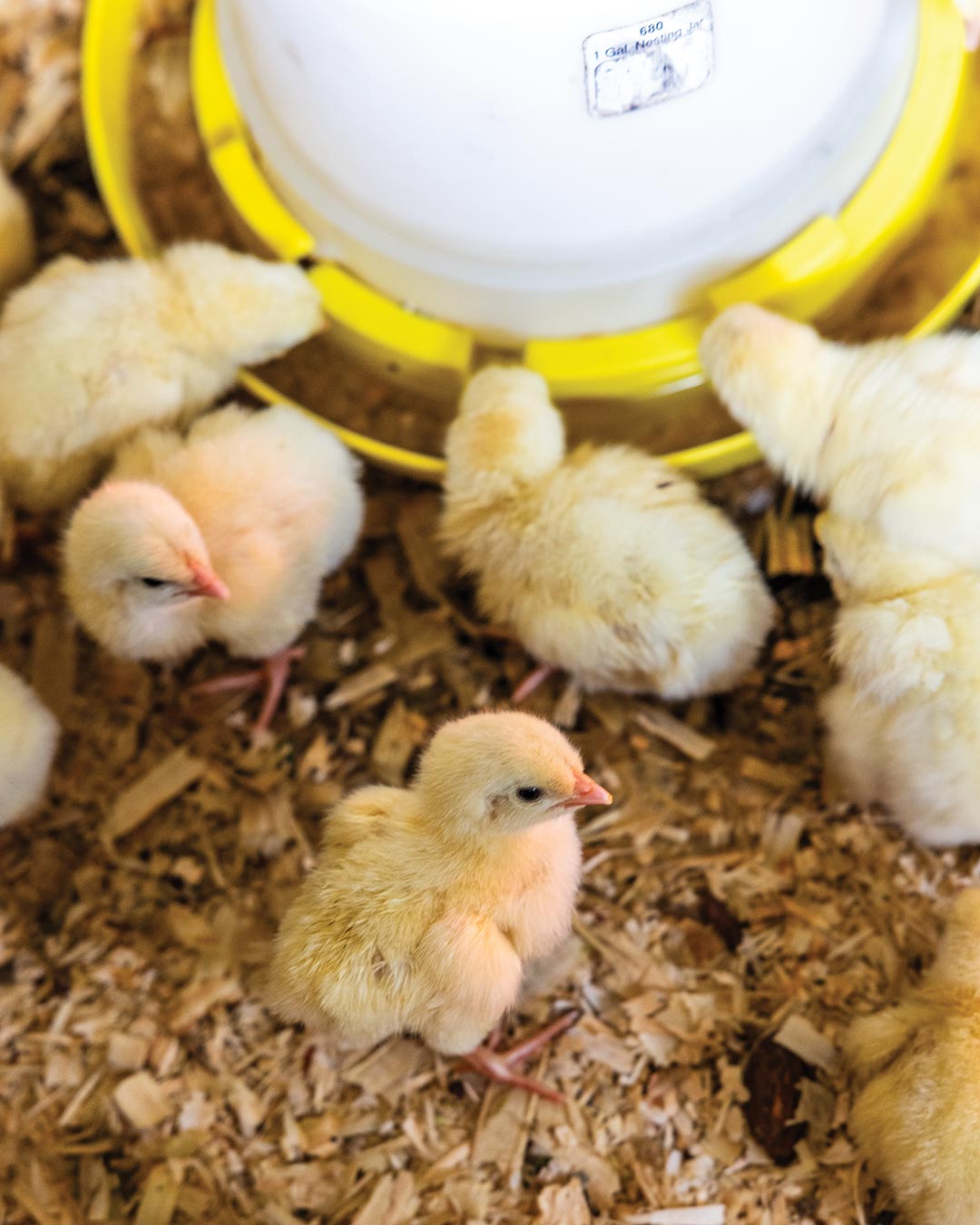
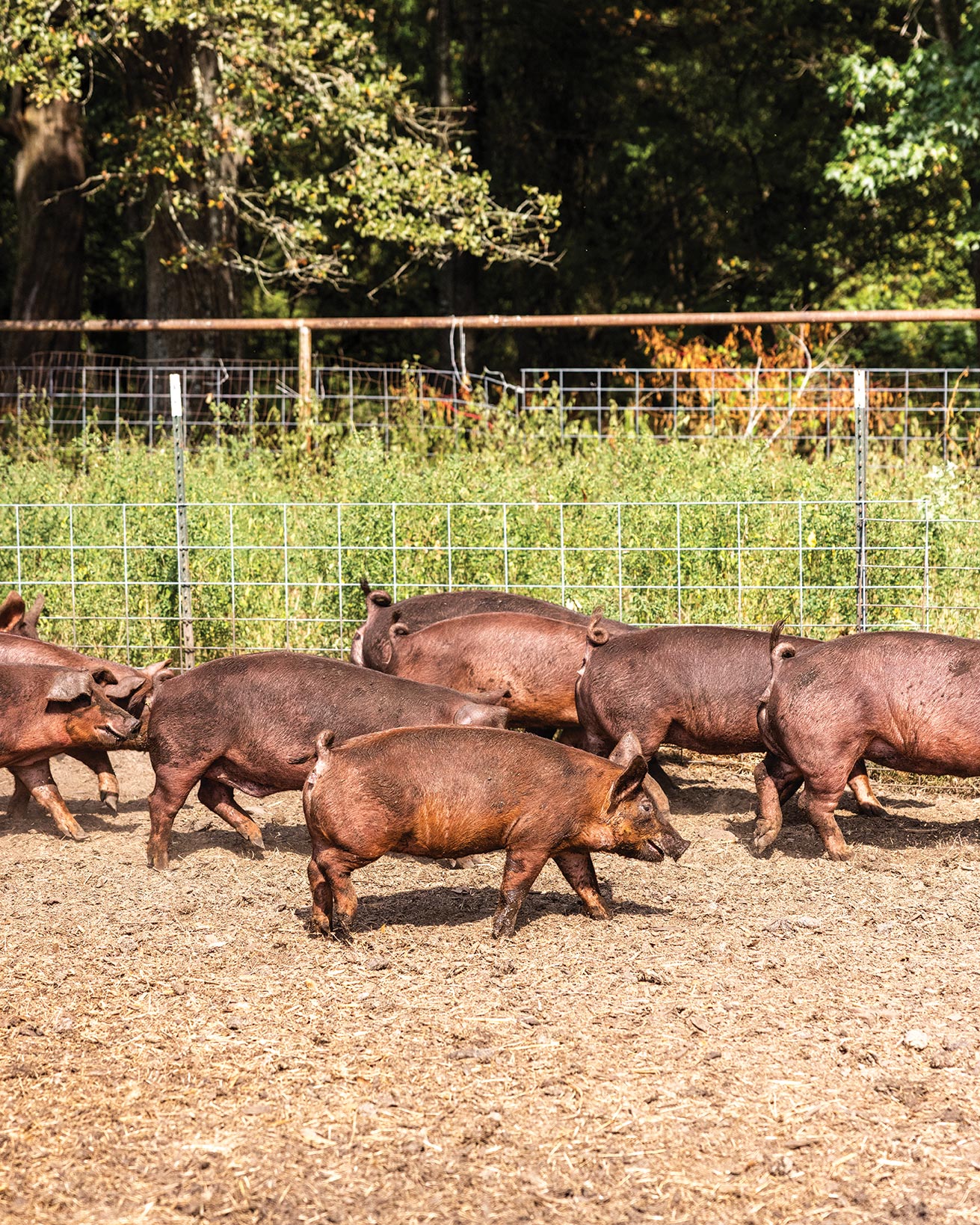
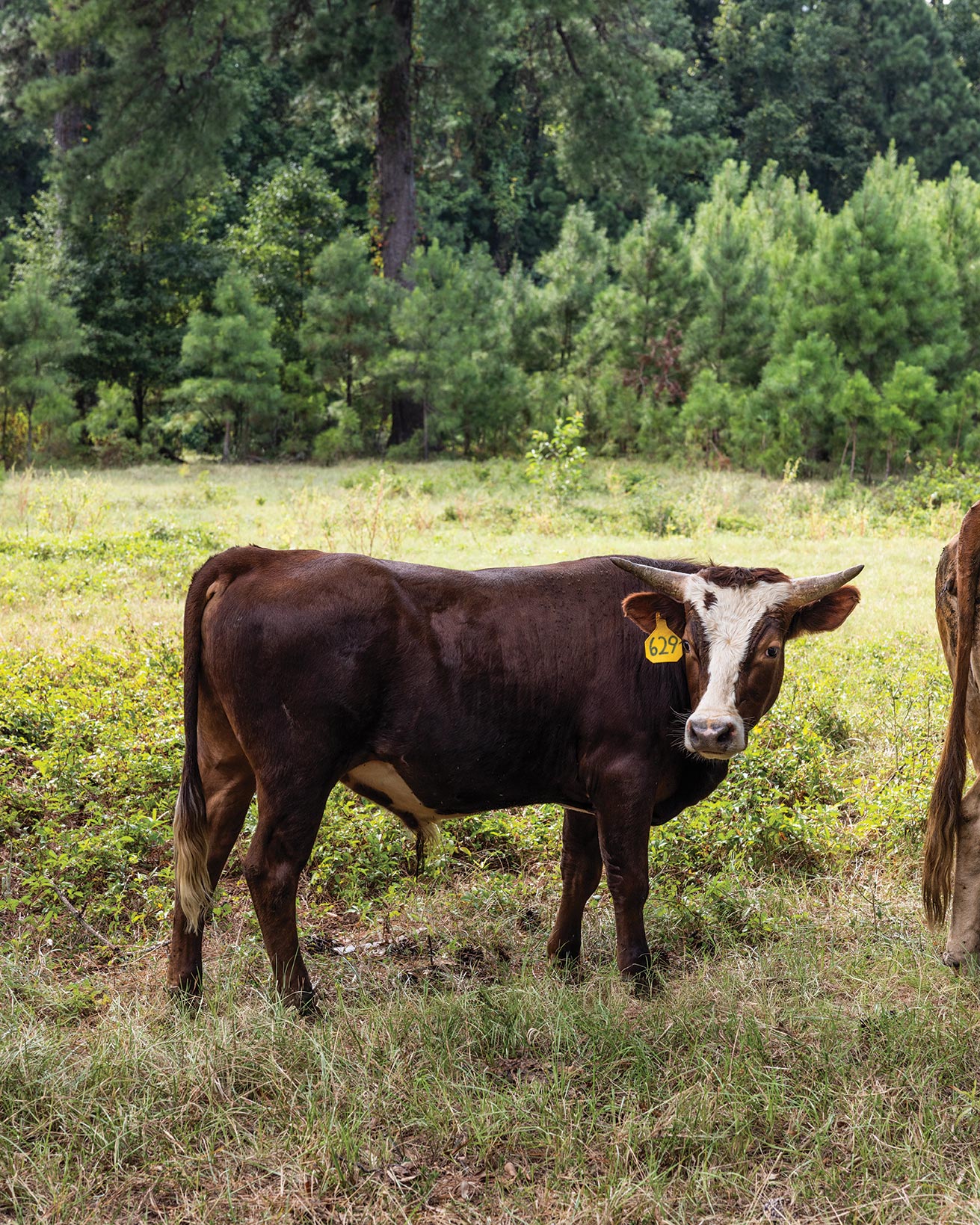
As the years passed, Evan shifted to pasture-raised heirloom breeds of cattle, hogs, and chickens. Mahaffey Farms now boasts a herd of grass-fed and finished Pineywoods cattle, an endangered breed that is one of the oldest cattle breeds in the United States and is known for its heat tolerance, foraging skills, and hardiness. Along with the cattle, Evan and the team raise Red Wattle and Tamworth hogs, which are also known for their resilience and hardiness but sought after for their flavorful and well-marbled meat. Pasture-raised Cornish Cross broiler hens and some laying hens round out the farm’s current livestock roster.
“The demand for pasture-raised meat was so high during the pandemic,” says Evan. “When the grocery stores ran out of meat, we had cars lined up down our driveway to get meat. We had to really shift focus and increase production along those lines, and we didn’t have staff to dedicate to vegetable production anymore.”
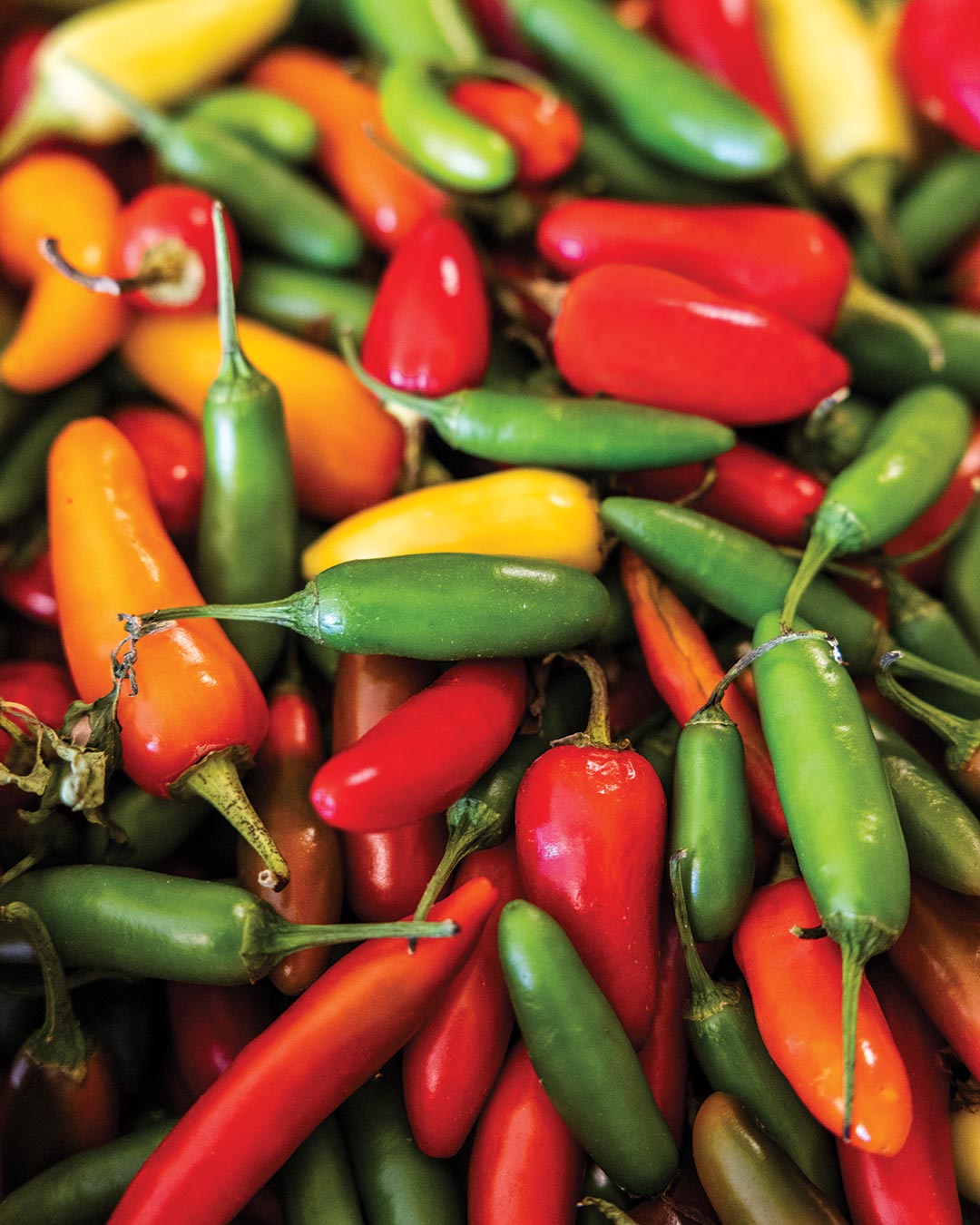
Though Evan has steered the farm toward meat production, he and the team still cultivate mulberry and fig trees along with some heirloom tomatoes.
 Building a Community
By joining the Shreveport Farmers’ Market in 2012, Evan began to make inroads into both the consumer and restaurant markets. Now, Mahaffey Farms products can often be found in about a half dozen restaurants around the Shreveport metropolitan area, including El Cabo Verde, Zuzul Coastal Cuisine, Ki’ Mexico, Frank’s Pizza Napoletana, and Lowder Baking Company. Customers can also find Mahaffey goods at Shreveport’s Chop Shop, McCain Farms in Calhoun, West Monroe’s For His Temple Family Foods, and seasonally at south Louisiana markets, including Iverstine Butcher in Baton Rouge and Metairie’s Laughing Buddha.
“Evan is someone who has always been pursuing fair, good, and clean food,” says Gabriel Balderas, chef/owner at Shreveport’s El Cabo Verde and Zuzul. “He’s a Slow Food USA member, and we believe in a cleaner and more fair food system. We’re talking about farmers being able to earn a livable wage, and I think it’s important to have someone in the community who’s doing that.”
“Evan is someone who has always been pursuing fair, good, and clean food, He’s a Slow Food USA member, and we believe in a cleaner and more fair food system.” —GABRIEL BALDERAS, chef/owner at Shreveport’s El Cabo Verde and Zuzul
In addition to the restaurants and markets throughout the state, Mahaffey Farms offers a robust farmstand on the property that stocks not only their goods but a wide variety of locally sourced and responsibly grown produce, fresh dairy, and products.
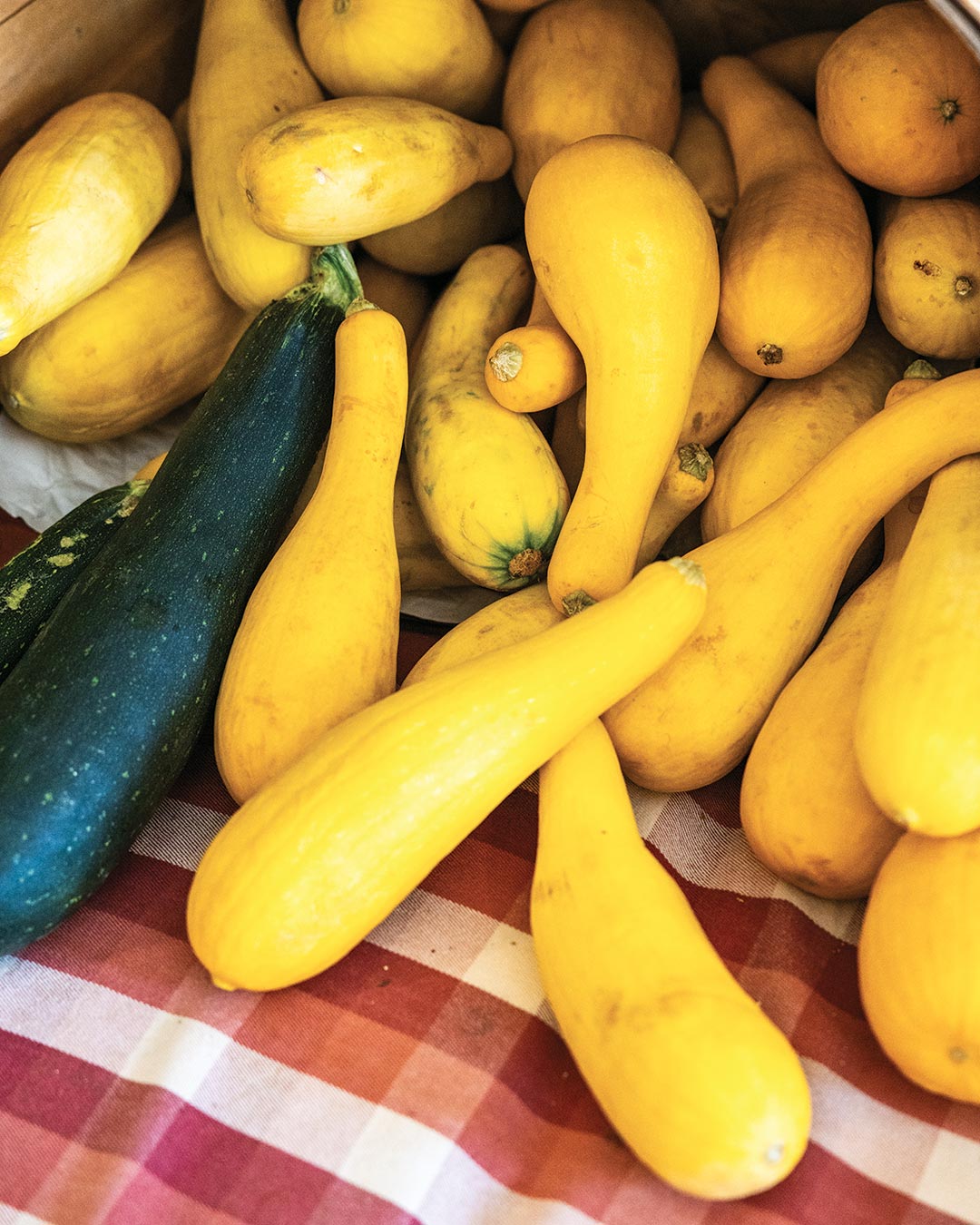 “The farmstand carries certified organic produce and some local farmers who do no-spray,” says Evan. “During the summer, we’ll have produce from six to eight different farmers available at the store. Watermelon, tomatoes, strawberries, squash—you can pretty much list any vegetable grown in Louisiana and we’ll have it at some point in the season.”
Hundreds of locals visit the farmstand each month, with many using it as their first stop when grocery shopping. And for those who can’t make the trip, Mahaffey Farms offers twice-weekly deliveries throughout the Shreveport-Bossier area and nearby Minden.
“We’re trying to cultivate a better food community to make sure we can make it as easy as possible for people to find locally produced north Louisiana food.”
Farming in Louisiana by the Numbers
– 25,006 Farms
– 42,551 Farmers (that’s less than 1% of Louisiana’s population)
– 8 Million Acres of Farmland
– 319 Acres Is the Average Farm Size
– 85% of Farms Are Run by Families or Individuals
– Average Age of Farmers: 58
According to the 2022 USDA Census of Agriculture