By Jo Vidrine
There are stories of Mardi Gras in Acadiana, where rural Mardi Gras traditions hold strong, beyond what is seen in New Orleans. These are stories of costumed revelers riding horseback through the fields and byways of Cajun and Creole country. These are stories of music that makes people move unexpectedly, bounties of cold cheap beer, and memories that last forever. These are stories of traditions that bring communities together to celebrate and observe real, living culture.
Considering Lafayette as a geographical hub, some moderate planning can have you within inches of traditional Mardi Gras celebrations. A 45-minute drive in any direction from Lafayette on the days leading up to Fat Tuesday will have you headed toward some version of a community Mardi Gras celebration. From Grand Marais to Grand Mamou and Lewisburg to L’anse Maigre, tradition bearers anticipate this Carnival season and come out strong. This is a time of year to join in a procession as a community, to celebrate the beginning of springtime as well as deep family traditions, and even deeper-rooted religious obligations. The gathering and observation of the Mardi Gras customs may look different in communities around Cajun and Creole country, but they largely hold the same spirit of celebration.
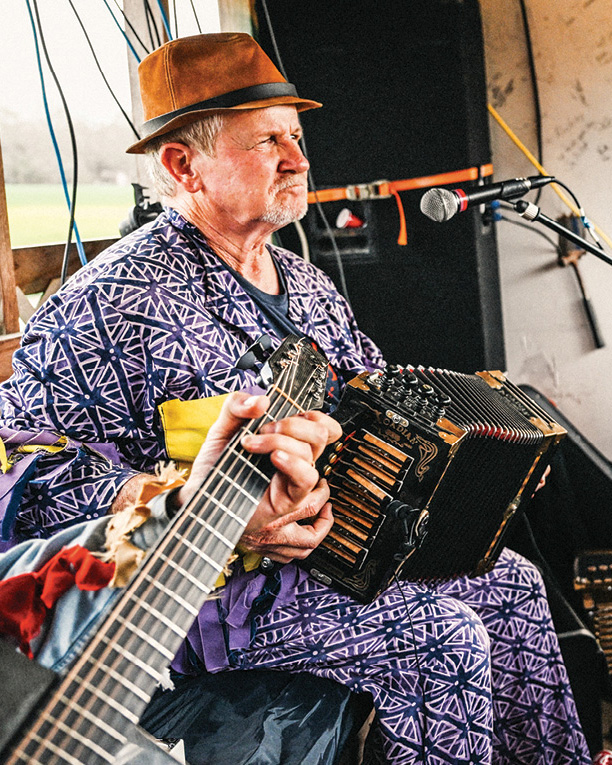
The music heard at rural Mardi Gras is Louisiana French music called Cajun, Creole, or zydeco music—played and enjoyed by people from all walks of life and who call southwest Louisiana home. Cajun and Creole music indigenous to Louisiana is played year-round, but to some younger generations and the less-informed, it is referred to simply as “Mardi Gras music.” This music reaches far beyond the confines of Acadiana or Cajun/Creole country and impacts people from across the world. It is music from the home as well as the heart and is displayed on stages of varying magnitudes. You can find Louisiana French music being played live by local musicians and DJs most every night of the three weeks leading up to Fat Tuesday.
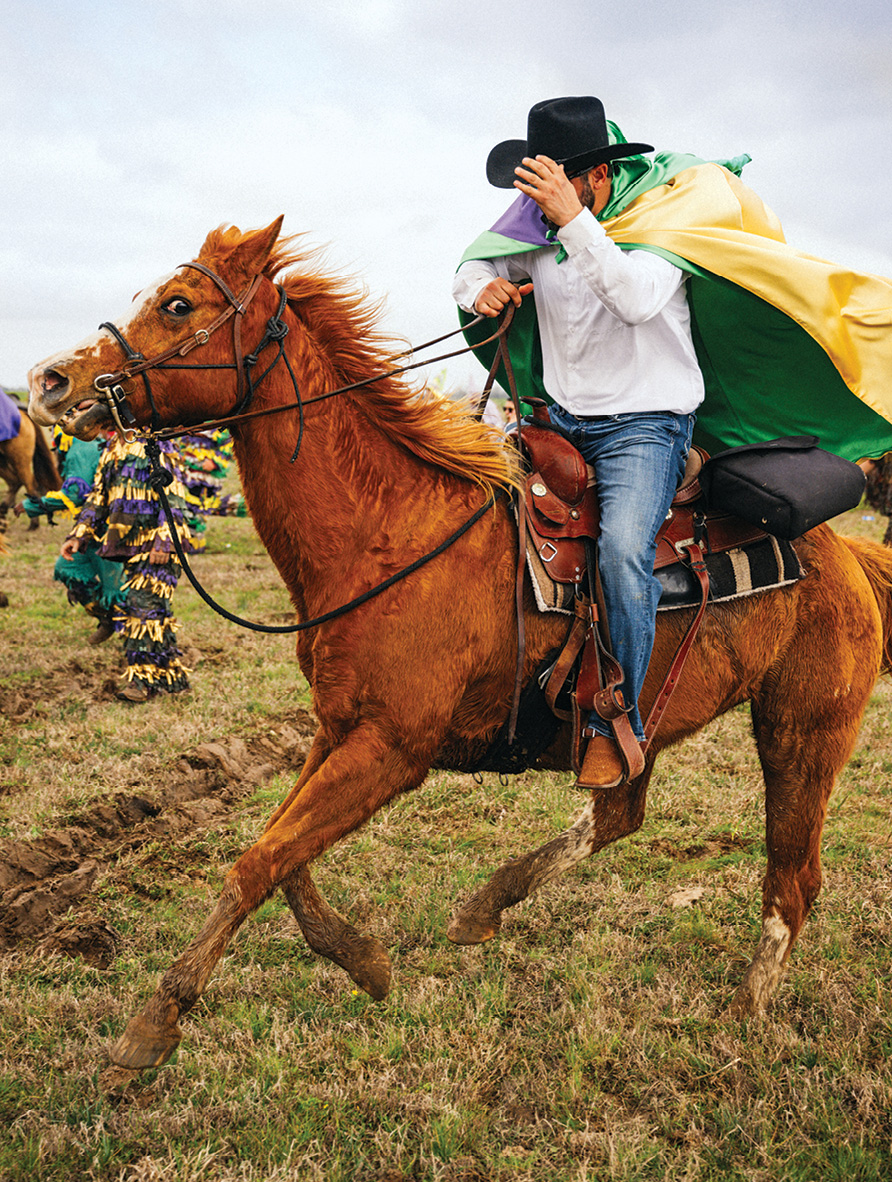
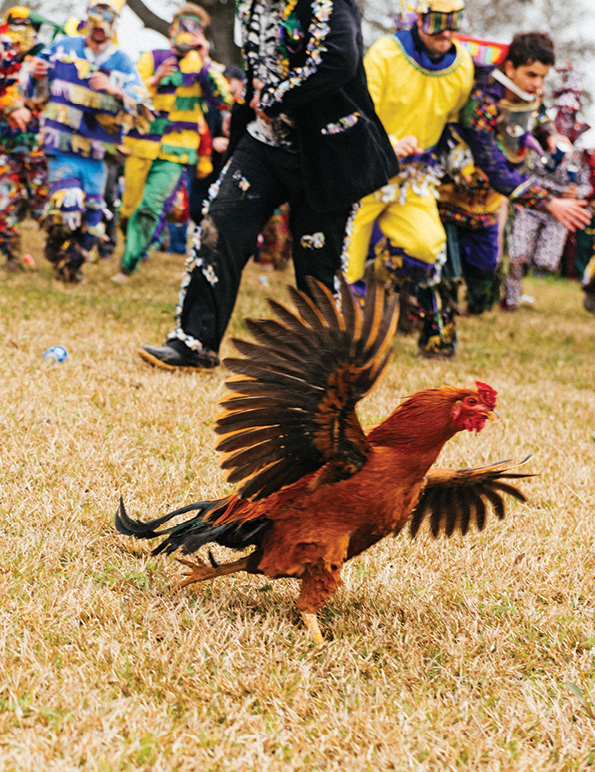
Rural Mardi Gras celebrations are often associated with music, food, and community traditions, which include dancing and the preparation and wearing of traditional costumes. One common theme throughout the communities that gather for rural Mardi Gras celebrations is the use of horses as a mode of transportation. Creole communities gather for trail rides throughout the year and get together for organized trail rides in rural communities during the Carnival season. Likewise, Cajun traditions such as the chicken chase, or courir de Mardi Gras, use horses, mules, and an occasional jackass as modes of transportation. Horses are a part of the way of life for many in these communities and most take great pride in raising a good animal. You’ll see riders showing their riding skills and a combination of gymnastics or balancing skills from time to time.
Whether balanced head-to-saddle and feet in the air, dancing with strangers on the street, or dancing with elderly folks at a nursing home, the spirits of Mardi Gras are known as mischievous merrymakers, not as figures with malicious intent. The people beyond the masks are typically businesspeople, parents, teenagers coming of age, and participants who come from outside the community to fully experience rich culture in action. People observing Mardi Gras traditions are either looking for a cultural story to be a part of, to continue a family tradition, or for the best party they’ll ever be a part of.
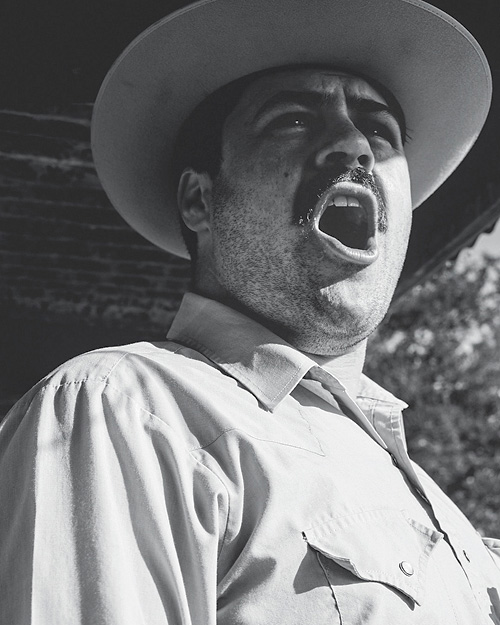

Louisiana’s rural Mardi Gras experience is indeed like no other celebration, at least in the United States, and is certainly a time that will create memories for those who experience it. The coming of spring is a naturally fertile time of year, bringing a rush of new energy after what can be a cold and wet Louisiana winter. This sense of excitement is evident no matter where you turn as folks look forward to Mardi Gras season all year long, yearning for these precious moments with family and friends to gather and celebrate amongst community in a public way.
While Mardi Gras celebrations have become more inclusive over time, some events still retain an exclusive atmosphere reminiscent of earlier traditions and societal norms. However, there are also signs in some communities of racial and social class integration in these celebratory gatherings. The present-day calls for community leaders within Mardi Gras associations to continue to expand the box and include people of all races and genders. There are also new Mardi Gras runs that follow costume and cultural parameters and include people of all backgrounds. With more inclusion, the rural Mardi Gras tradition has room to sprout new roots and flourish for generations to come.
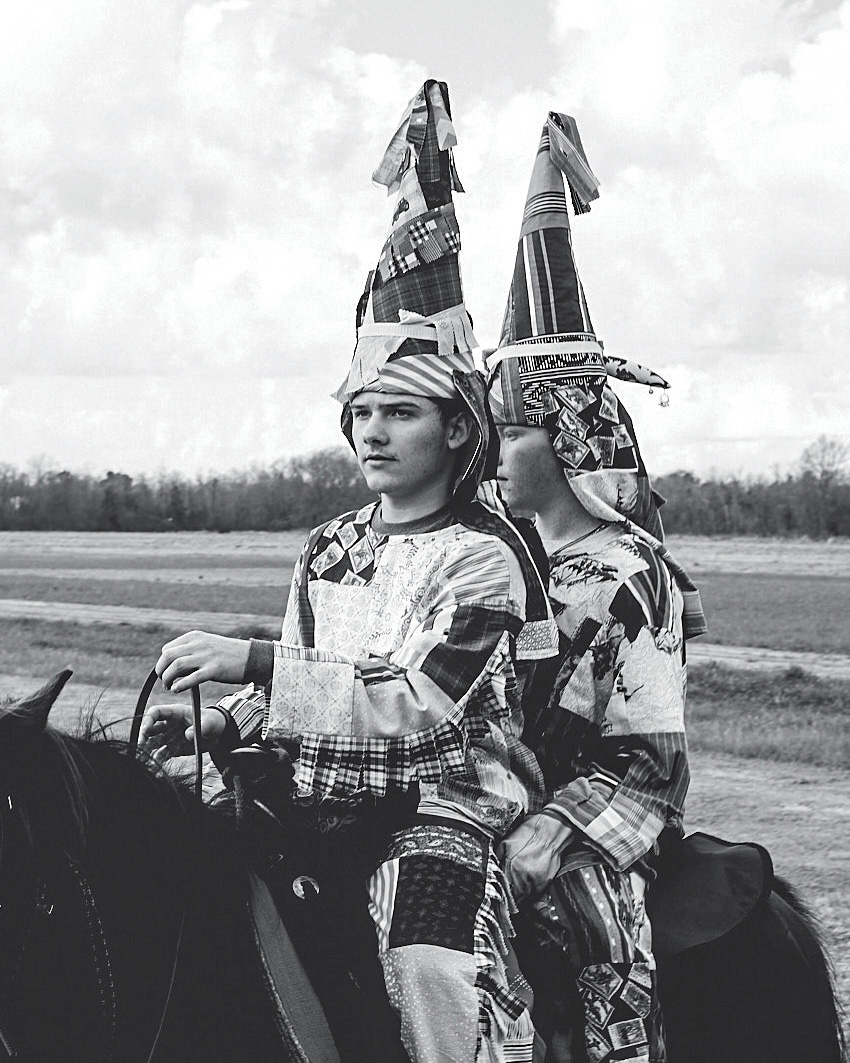
“Le Chanson de Mardi Gras” is a droning, solemn-sounding piece of music with both Cajun and Creole versions that is the unofficial anthem of the rural Mardi Gras. Many local courirs, trail rides, or gatherings in respective communities have a version of this song that shares the same themes and messages. This tune calls a group of revelers to come together and travel across the countryside or town center to beg, ask, and dance in exchange for ingredients to add to the traditional gumbo. A communal gumbo at the end of the day rejoins people over food. For some, this meal is a welcome sign of settling a multiday bender, while for others it offers a time to sit with new acquaintances, cousins, siblings, or long-lost friends.
Ultimately, Mardi Gras serves as a vital connection to both the past and present, fostering community ties and celebrating shared heritage. As traditions evolve and new voices are welcomed, these gatherings continue to play an essential role in the cultural landscape of Louisiana, inviting everyone to partake in the joy and spirit of the season.