Story by Daniel Schumacher | Recipe Photography by Sam Hanna | Recipes by Chef Michael Nelson
In terms of raw coastline, the Bayou State ranks third in the country with 7,700 miles of coastline along the Gulf, according to the National Oceanic and Atmospheric Administration. Along those inland waters and then out into the depths, commercial and recreational fishermen spend their days in search of the delicious morsels swimming and scuttling below. For chartered voyages, the next step for those fish is often a quick dockside filleting, and the party heads home, often with a hefty load headed for a chest freezer. In the best cases, those fillets are enjoyed with family and friends, but as Chef Michael Nelson of GW Fins in New Orleans’ French Quarter puts it, by the time folks get around to cooking their catch, “they’re not really looking forward to eating it anymore.”
To help ensure a more just and delicious end for these catches of the day, Michael and a handful of other chefs around Louisiana participate in the state’s Catch and Cook program. This allows permitted restaurants and charters to cook and serve folks’ catches to them in a restaurant environment. For Michael, the diners who participate in Catch and Cook, which varies seasonally but ends up bringing in as many as a dozen tables a week, give him a chance to “kind of tie [the whole experience] together and add in the ability to enjoy all of that amazing fish you just caught in a setting, where, honestly, you don’t have to do anything, and that always makes things taste better.”

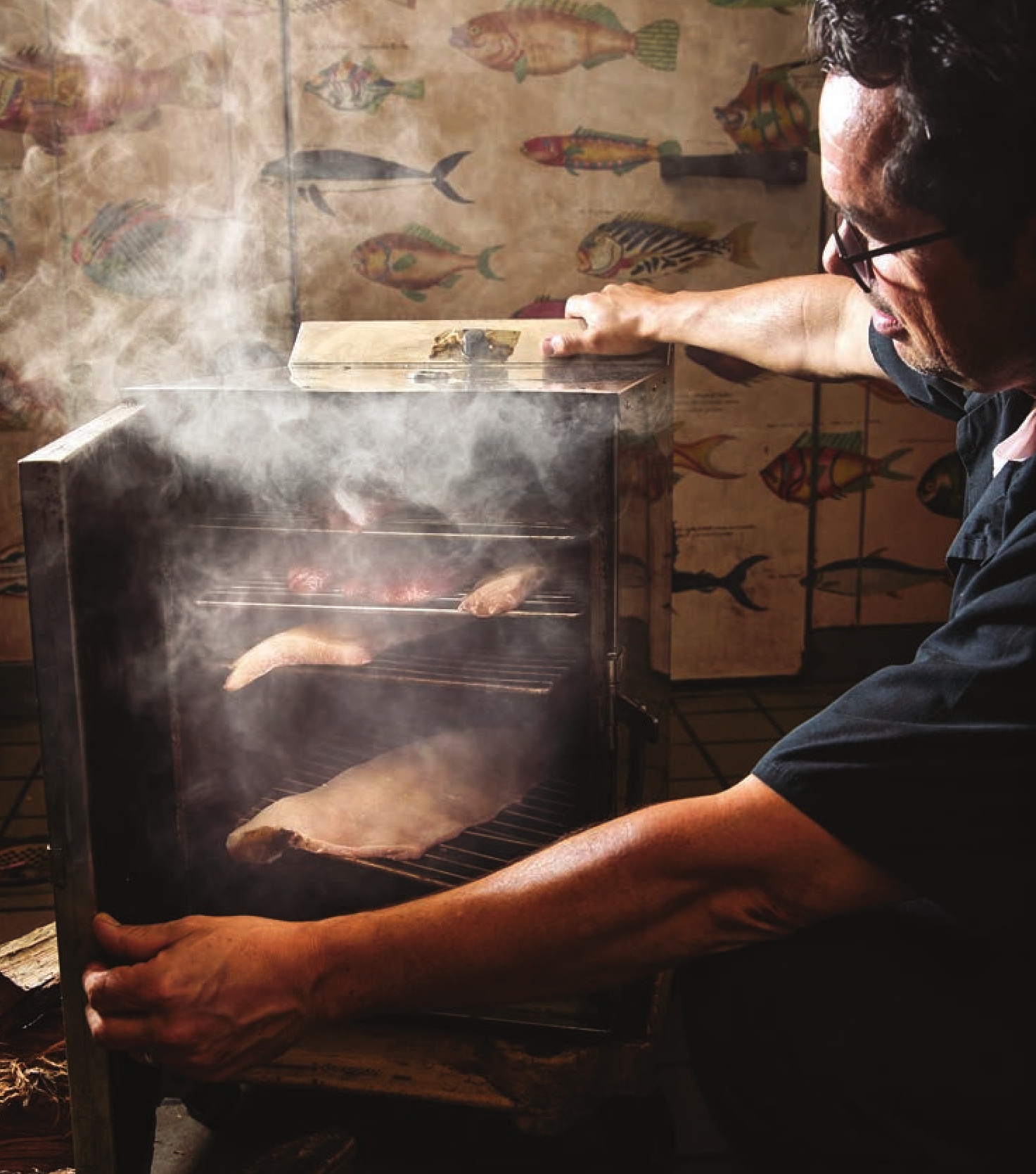
But even if you don’t choose to have your catch of the day prepared by a renowned professional team, Michael is keen to offer insights on how to make the most out of your catch. For him, the fillet is the low-hanging fruit. Fillets are the default cut from most fish and often the only piece that makes it to the plate. The rest of the fish is typically wasted, and to him, that is a great shame since the fish has so much more to offer in terms of flavor, texture, and dining experience. For him, the thought of simply serving the fillet and tossing the rest is akin to using a chicken only for its tenderloins and tossing the rest. Here, Michael will give us some of his thoughts on how to approach fish differently and a couple of recipes that illustrate the exciting opportunities for cooks and diners when they drop their fillet fixation and focus on the whole fish.
Respecting the Fish

Pork of the Sea

Thinking Differently
While not every fisherman will be fortunate enough to come back to the dock with a lunker of a tuna or swordfish, Michael hopes that a more holistic mindset paired with these recipes will help fishermen and home cooks not just get more out of their catch but also reduce waste and increase enjoyment of this fantastic local resource. If you plan to participate in a Catch and Cook meal to see this in action with Michael at GW Fins, he recommends booking everything early and coming in the night of your charter or the next day. If the captain can deliver the fish to the restaurant (well before service), all the better so you can enjoy the city while Michael and the team prepare your feast. By thinking differently and learning to love the rest of the fish, anglers and cooks alike can revel in new and exciting seafood experiences.

The Trash Fish
“The idea of a trash fish is actually a moniker that’s used by sportfishermen,” says Michael, “and it always has to do with how hard the fish was for them to butcher, and it has very little to do with how delicious they are.” Sheepshead is a fantastic Gulf fish that Michael says falls into this category of unwarranted disparagement. They feed on small shellfish like clams, barnacles, and mussels, and the meat has that tender, sweet, succulent flavor.
Get There
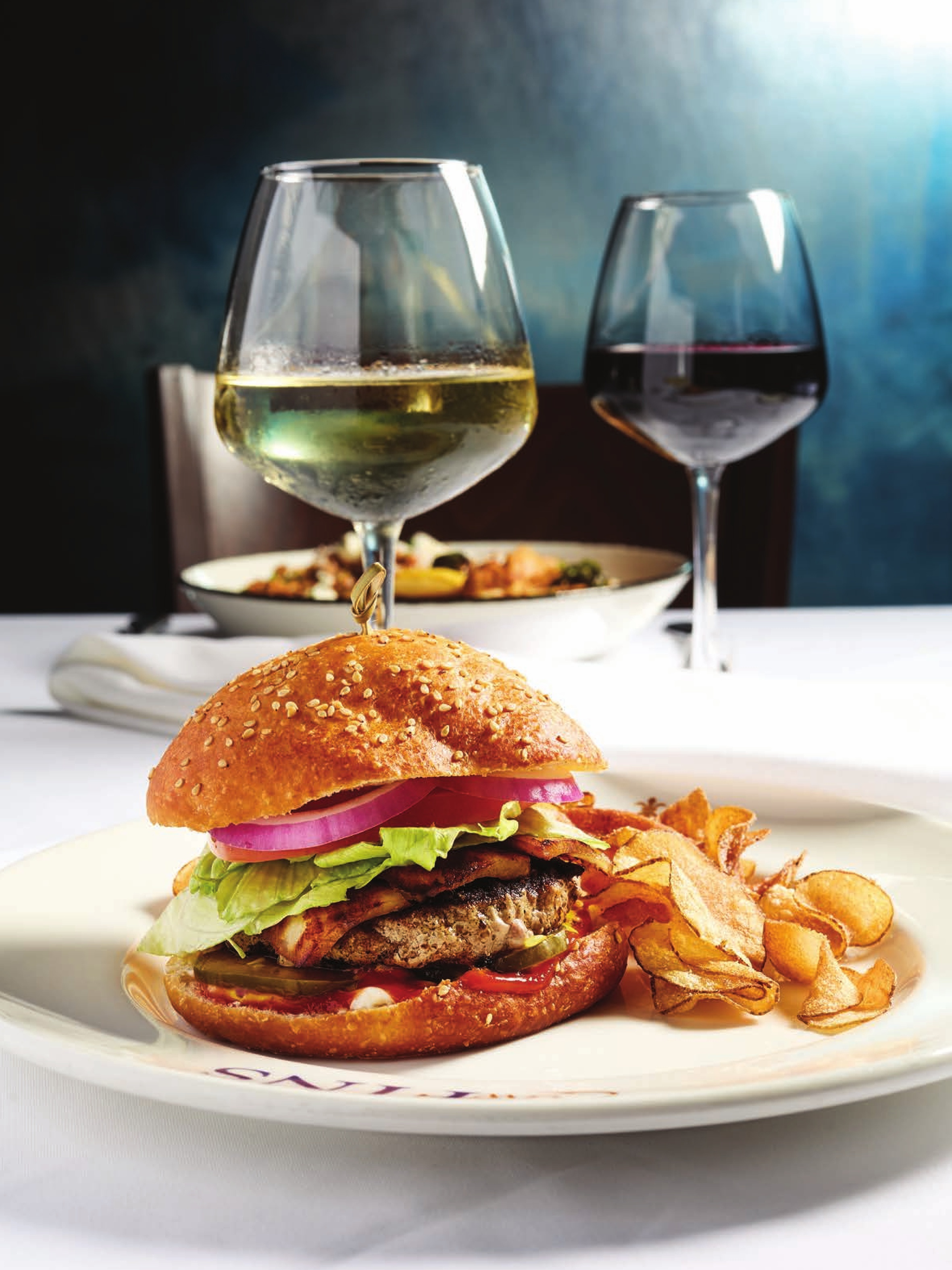
Tuna Burgers
Click on the image for the recipe!
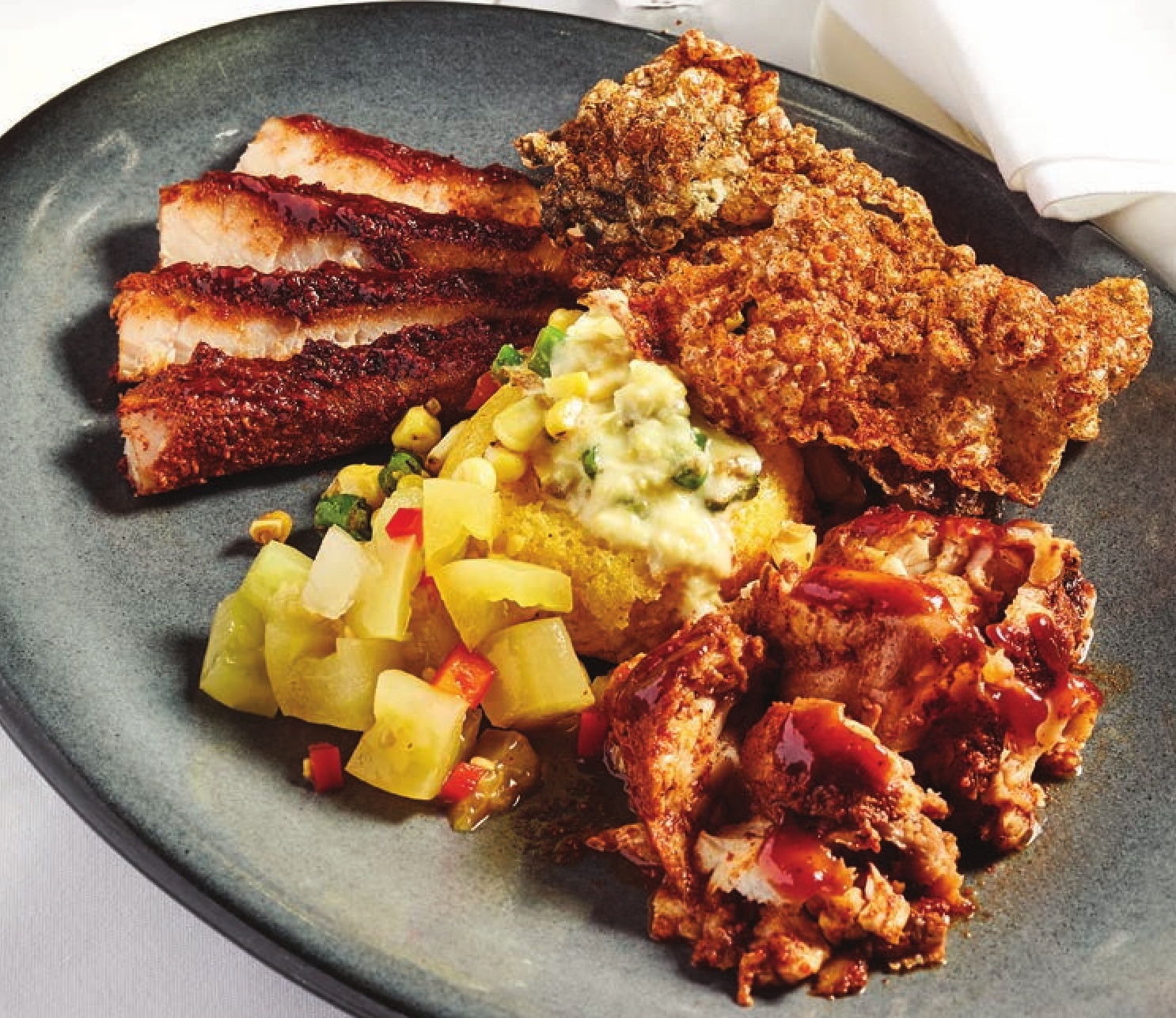
Swordfish BBQ
Click on the image for the recipe!
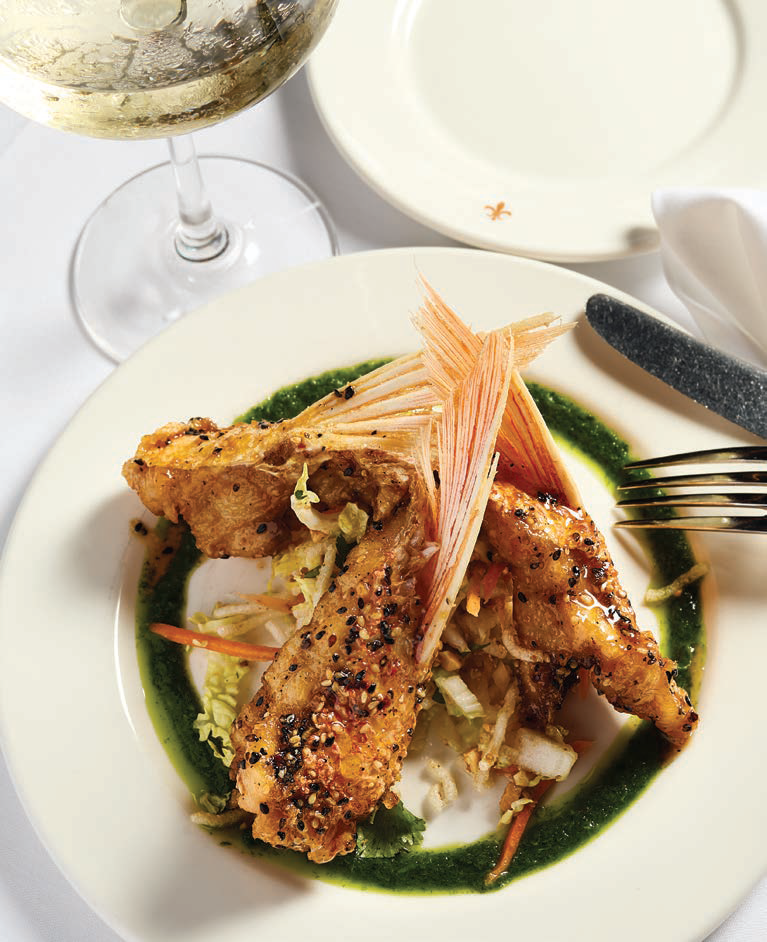
Tempura Fin Wings
Click on the image for the recipe!
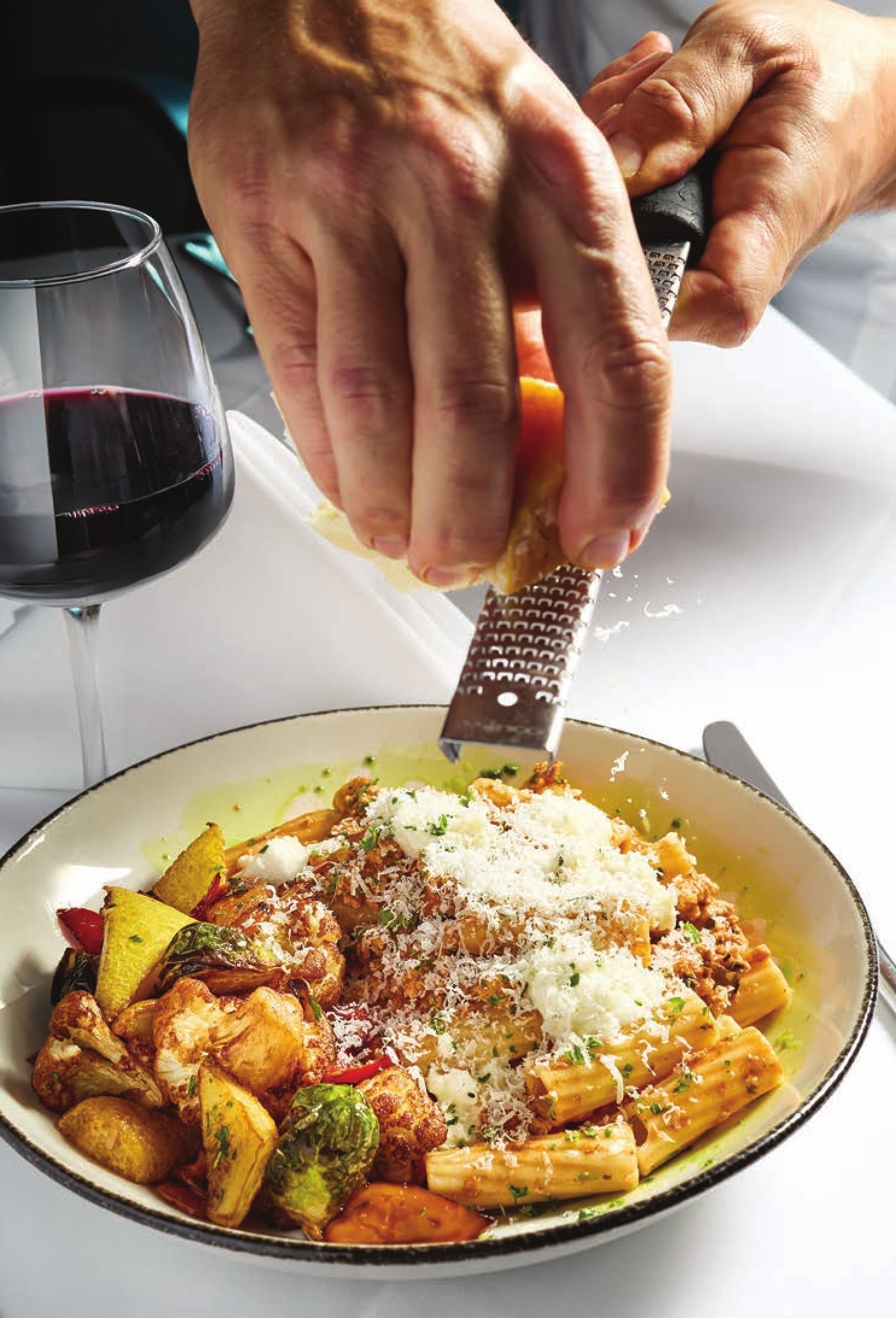
Swordfish Bolognese
Click on the image for the recipe!