Story and Recipes by Marcelle Bienvenu | Potrait Photography by Jo Vidrine Food Photography by Katie Graves | Food Styling by Vanessa Rocchio | Styling by Haley Bowen
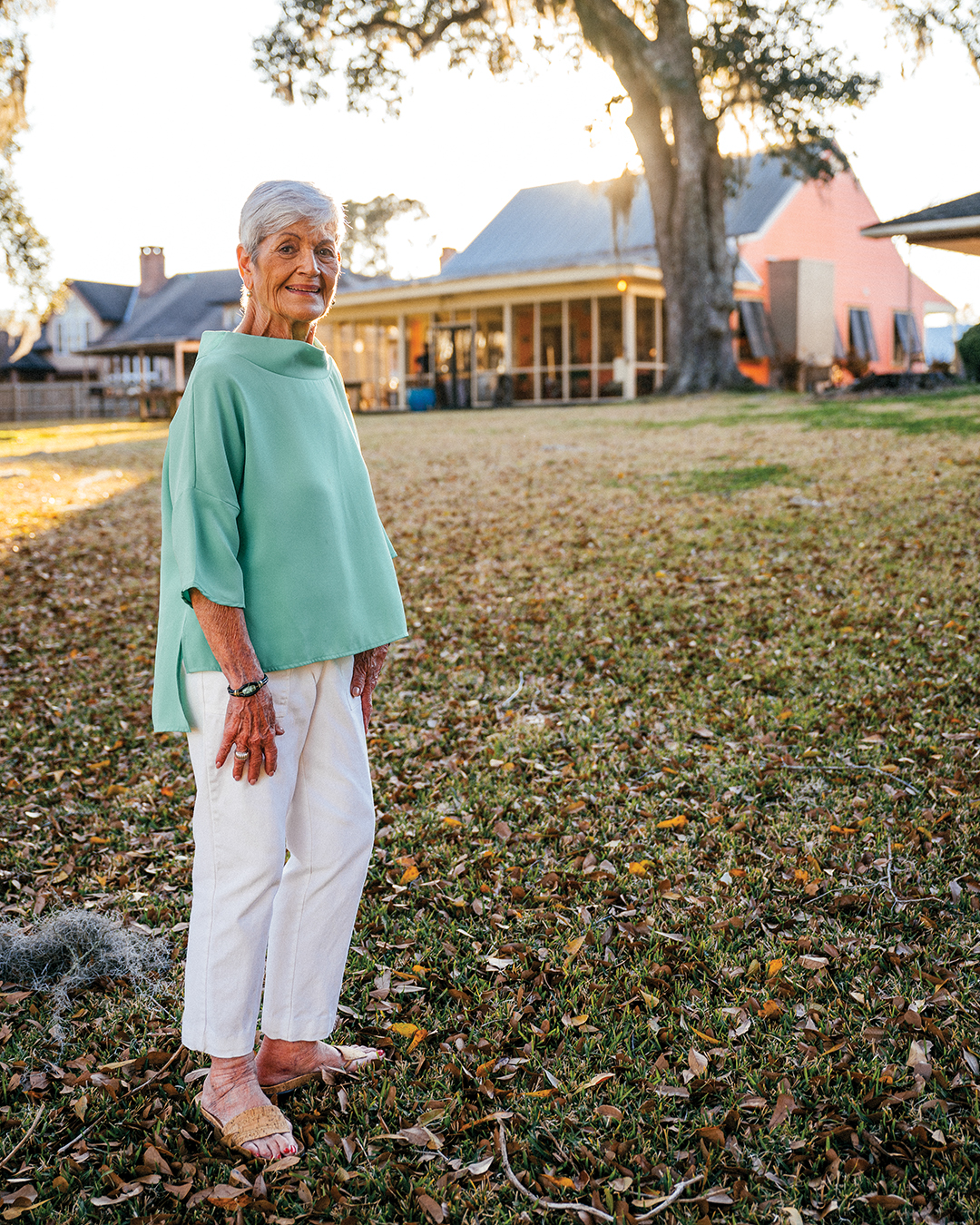
In the early 1970s, I was witness to things that were “a-changing” in the culinary hot spot of New Orleans as well as in south Louisiana.
Time-Life Books released the publication of American Cooking: Creole and Acadian, a book that was part of its Foods of the World series. It was an act of fate that I was hired by Time-Life to work on the book as a local consultant at the young age of 25.
Working with the author Peter S. Feibleman was an eyeopener. We traveled the back roads and levees of Acadiana and wined and dined at New Orleans’ finest.
Although I was aware that what I ate at home with my family in the small but historic town of St. Martinville (also known as the home of Evangeline and Le Petit Paris) was what I came to understand was “Cajun cuisine,” we were not aware, as I’ve said before, that we were assimilating any special kind of cuisine. We only knew that our food was good.
Mr. Feibleman reintroduced me to Creole cuisine, the delicious dishes that I had enjoyed many times in New Orleans—oysters Rockefeller and pompano en papillote at Antoine’s, the brunch eggs dishes and bananas Foster at Brennan’s, shrimp rémoulade at Arnaud’s, and beignets and café au lait at Café du Monde.
It was also in the early ’70s that a gentleman by the name of Paul Prudhomme from the Opelousas area (he nicknamed himself Gene Autry Prudhomme) came to work as a sous chef at Le Pavillon hotel in New Orleans. His name caught the attention of the Brennan family, who had recently purchased Commander’s Palace in New Orleans.
I was working at Commander’s at the time in the catering department, and I was a little surprised when the family hired Chef Paul, who had no professional training and referred to his culinary cuisine as “Cajun.” I was curious as to how Chef Paul and the Brennans would marry Cajun and Creole cuisine.
The result of the combination was mind-blowing. Everybody was talking about blackened redfish, and it became so popular that the commercial fishing of the species was restricted to prevent its extinction. Chef Paul was incredibly creative, and some of his dishes were nothing like Cajun food I had experienced. For instance, he carved a mirliton to resemble a pirogue that was deep-fried and then filled with fried shrimp and fried oysters and topped with a sauce flavored with tasso—all local items put together with incredible style and flavor.
“We were not aware that we were assimilating any special kind of cuisine. We only knew that our food was good.”
—MARCELLE BIENVENU
What then transpired was that everyone wanted to know: What is the difference between Cajun and Creole? Once easily defined was that Cajun was country/rustic, while Creole was sophisticated and related to classical French cuisine.
It was a topic that was often discussed and defined and described. For years, Tom Fitzmorris and I dined at Commander’s Palace the last Thursday of the month, and usually, Ella or Dick Brennan joined us. We, of course, discussed food, food, food, and drink. When asked what Tom thought about the subject of Cajun versus Creole food, he said, “There is no real difference anymore between Creole food and Cajun food. The two cuisines have cross-pollinated each other so thoroughly that the question is academic.”
But in what is known as Acadiana, classic Cajun dishes are still a mainstay on the menu and usually include rice and gravy made by browning/smothering beef or pork with lots of onions, bell peppers, and celery. (Note: I never heard the term of “the trinity” until Chef Paul Prudhomme came up with it while we worked at Commander’s Palace in the 1970s.) Meals continue to include dishes such as maque choux (summer corn smothered with tomatoes and the trinity), rice dressing/dirty rice, pork roast cooked long and slow, and jambalayas of all kinds. Sweet dough pies (tarte à la bouillie) and homemade ice cream are still favorite Cajun desserts. Fig and pears are popular to make homemade jams and preserves.
Most vegetables came from home gardens, and seafood is abundantly available from the bayous, the Gulf, and bays along the northern rim of the Gulf. Before the late 1950s, most crawfish came from the Atchafalaya Basin, but now, crawfish is a huge crop (along with rice), turning out millions of pounds from January (sometimes December, depending on the weather) until May.
Although the Cajun and Creole cuisines have merged in creating a contemporary fare, I believe each will endure. Classics such as pompano en papillote, bananas Foster, shrimp rémoulade, and trout meunière will still be on the menu in New Orleans.