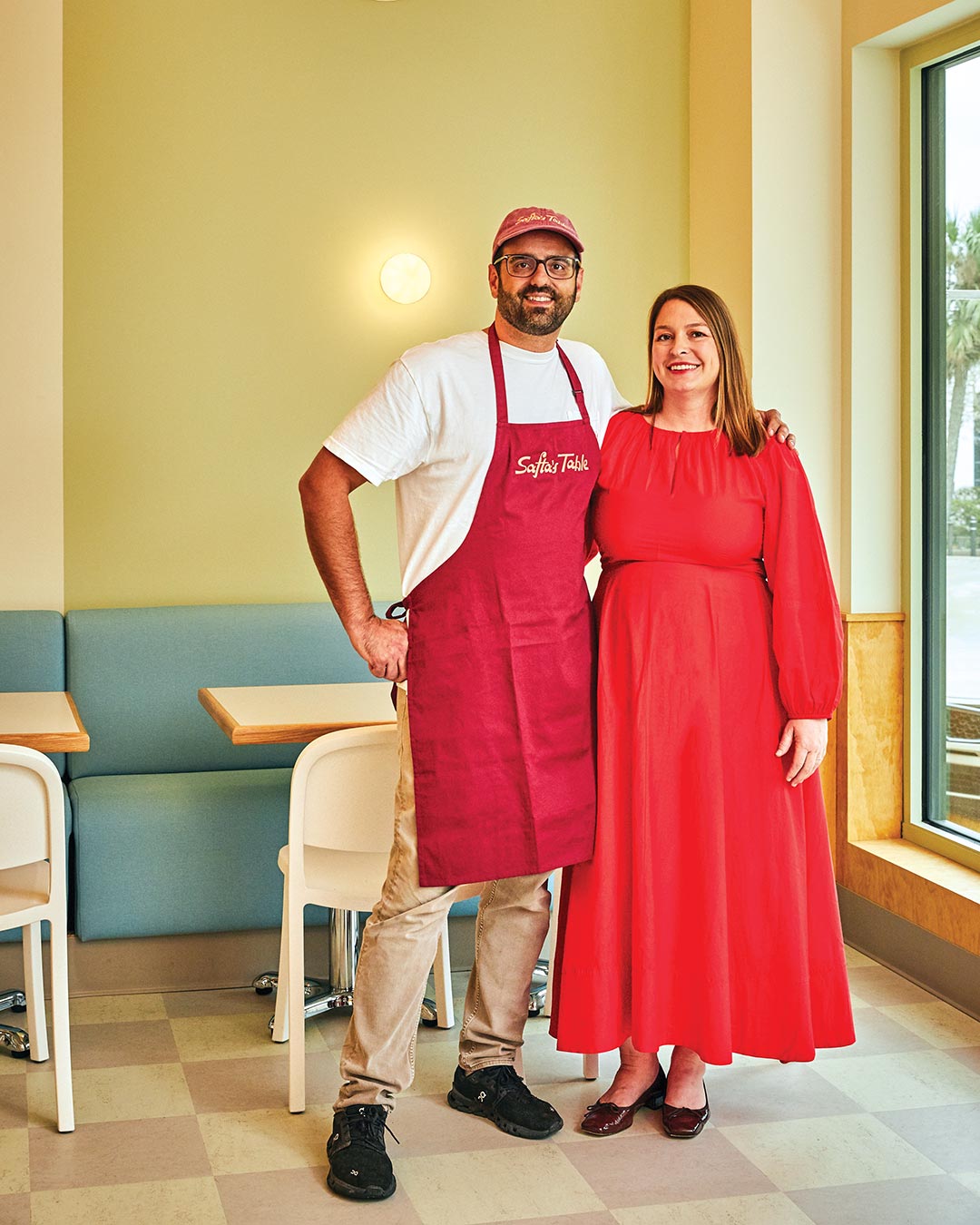
Drawing on nostalgic flavors from Alon Shaya’s childhood and centered on the timeless ritual of gathering around the table, a fresh new concept has arrived in New Orleans’ Lakeshore community.
Emily and Alon Shaya, the dynamic duo behind Pomegranate Hospitality, have made a lasting impression on the culinary scene with many successful restaurants (notably Saba and Miss River in New Orleans). Their latest venture, Safta’s Table, an all-day, casual Mediterranean-style restaurant that opened in March of this year, builds on that momentum. Featuring playful pops of retro design elements in an accompanying color palette, plus flexible, customizable menu options offered in a café-style counter service model, Safta’s Table is poised to become another success story on the Shayas’ roster.
Talk to us about the name, Safta’s Table. What’s the story behind it?
Alon: “Safta” means “grandmother” in Hebrew. The concept is deeply rooted in the flavors of my childhood and what ultimately inspired me to become a chef. With Safta’s Table, we wanted to re-create that feeling of being cared for through a grandmother’s cooking—the warmth, generosity, and genuine hospitality that comes with it.
Are there any memories or traditions that influenced the feeling you all wanted to create at Safta’s Table?
Emily: So much of what we do is inspired by the ritual of gathering around the table—simple, meaningful moments centered on food. Those early memories of family meals, where everything was made with intention and shared with love, really shaped the spirit of this restaurant.
This is an all-day café, which is a little different from what people might expect from you—what excites you all about doing breakfast, lunch, and dinner all under one roof?
Alon: We love the idea of being part of people’s daily routines. Whether it’s a quick coffee in the morning, a casual lunch, or a relaxed dinner, we want Safta’s Table to be a place guests can return to throughout their day and week.
There’s also a strong family-friendly component, from kids’ meals to take-home options. Why was this important for this concept?
Emily: As a neighborhood restaurant, accessibility is everything. As parents of young children, we understand how small touches like a coloring page or a welcoming atmosphere can make all the difference for families. We want everyone to feel at home here.
Are there any dishes on the menu that feel especially personal or nostalgic to you all?
Alon: The lutenitsa is incredibly personal to me. I remember my safta roasting peppers and eggplants over an open flame when I was a child, preparing this deeply flavorful Bulgarian spread. That memory played a huge role in shaping my love for cooking.
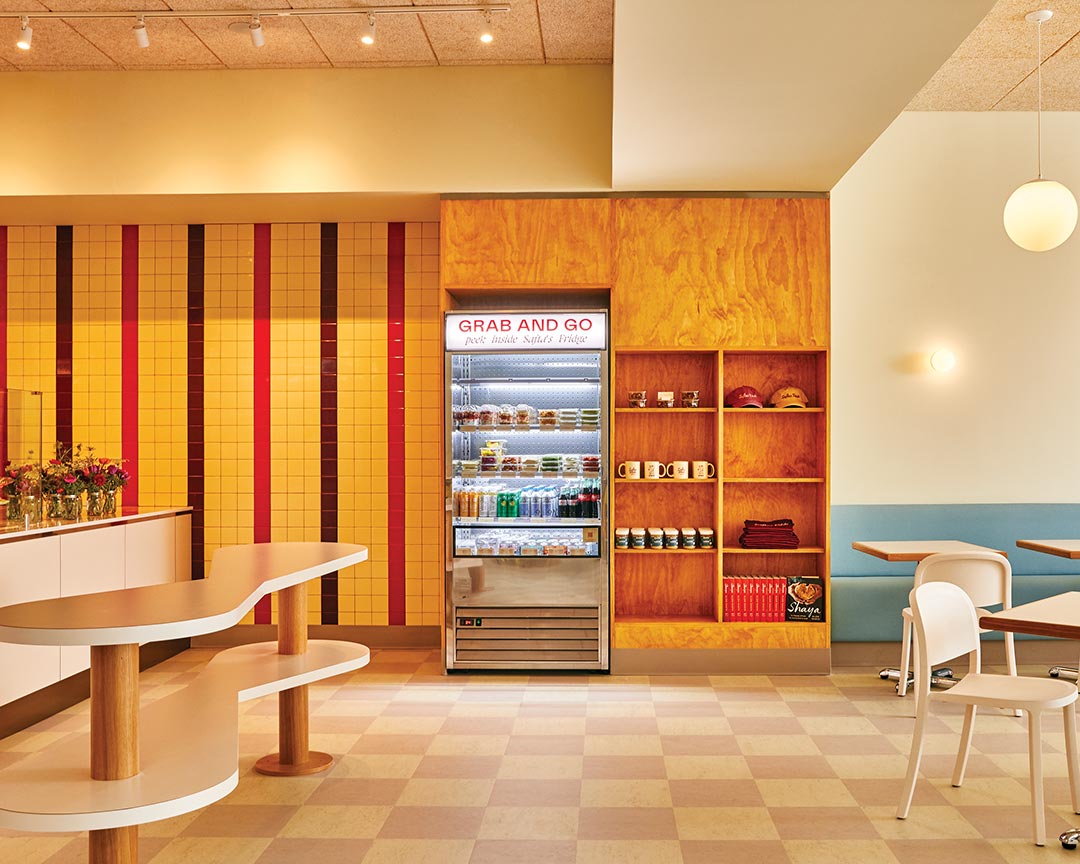
Pomegranate Hospitality is always thoughtful and design-driven in its concepts. What stands out when you think about the concept and creative aspect behind Safta’s Table?
Emily: The design is colorful, playful, and a bit retro. It was a joy collaborating with local architect Lauren Hickman of Office La to bring it to life. We explored bold colors and patterns, and those elements carry through into the branding as well.
When someone walks in for the first time, what do you all hope they feel?
Alon: We hope they feel welcomed, comfortable, and, of course, hungry. Ideally, there’s also a sense of nostalgia—something that reminds them of home, of a grandmother’s cooking, of timeless, delicious food.
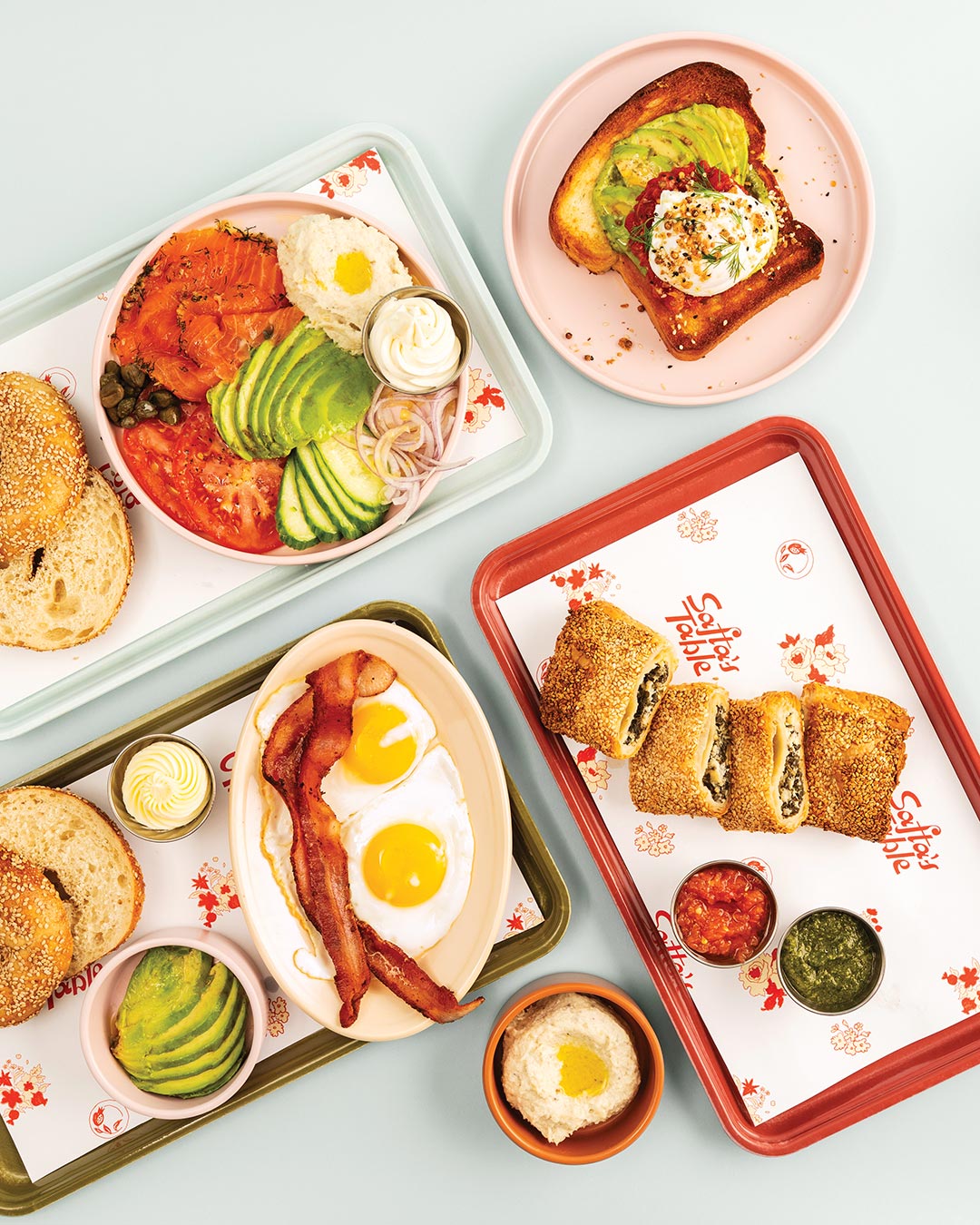
How do you hope Safta’s Table fits into the Lakeshore neighborhood community?
Alon: We want to be a place people can rely on throughout their day: before work, after school, for an early dinner or a long, easy brunch. Being open for breakfast, lunch, and dinner allows us to meet guests wherever they are, whenever they’re craving that sense of comfort and care.
You all have been a major part of the food scene in New Orleans for a while now. How has living and cooking in New Orleans shaped the way you cook? How has it shaped your approach to Israeli/Mediterranean cuisine?
Emily: Living in Louisiana has absolutely shaped how we cook, live, and entertain. We’re constantly inspired by the incredible local ingredients here. That influence shows up in dishes like blue crab hummus and tabbouleh with toasted pecans, where we can blend traditions in a way that feels natural and exciting.
Do you find any overlap between classic Louisiana flavors and the Israeli/Mediterranean flavors you’re known for?
Alon: Absolutely. Ingredients like spices and okra appear in both cuisines—paprika, in particular, moves seamlessly between them. You’ll also find similarities in dishes like tomato-braised okra and the generous use of garlic in stews and soups. More than anything, it’s a shared sensibility: bold, expressive flavors balanced with nuance and depth.
Is there anything coming soon that you’re especially excited about—new dishes, new ideas, anything we should keep an eye out for?
Alon: We’re excited to introduce a lasagna Bolognese inspired by a recipe I learned from a grandmother in Italy. It will be available to take home and bake—layered with béchamel, handmade pasta sheets, rich meat sauce, and topped with Parmigiano-Reggiano and mozzarella.
LIGHTNING ROUND
One ingredient that’s always in your kitchen?
Extra-virgin olive oil
Most-used kitchen tool (aside from a knife)?
A Microplane
Coffee or cocktail?
Iced coffee
Go-to late-night snack?
Cold roasted chicken with sriracha.
One food that instantly brings you back to childhood?
Lutenitsa
Favorite New Orleans hidden gem?
(Not so hidden, if you know!)