By Kaitlyn Shehee
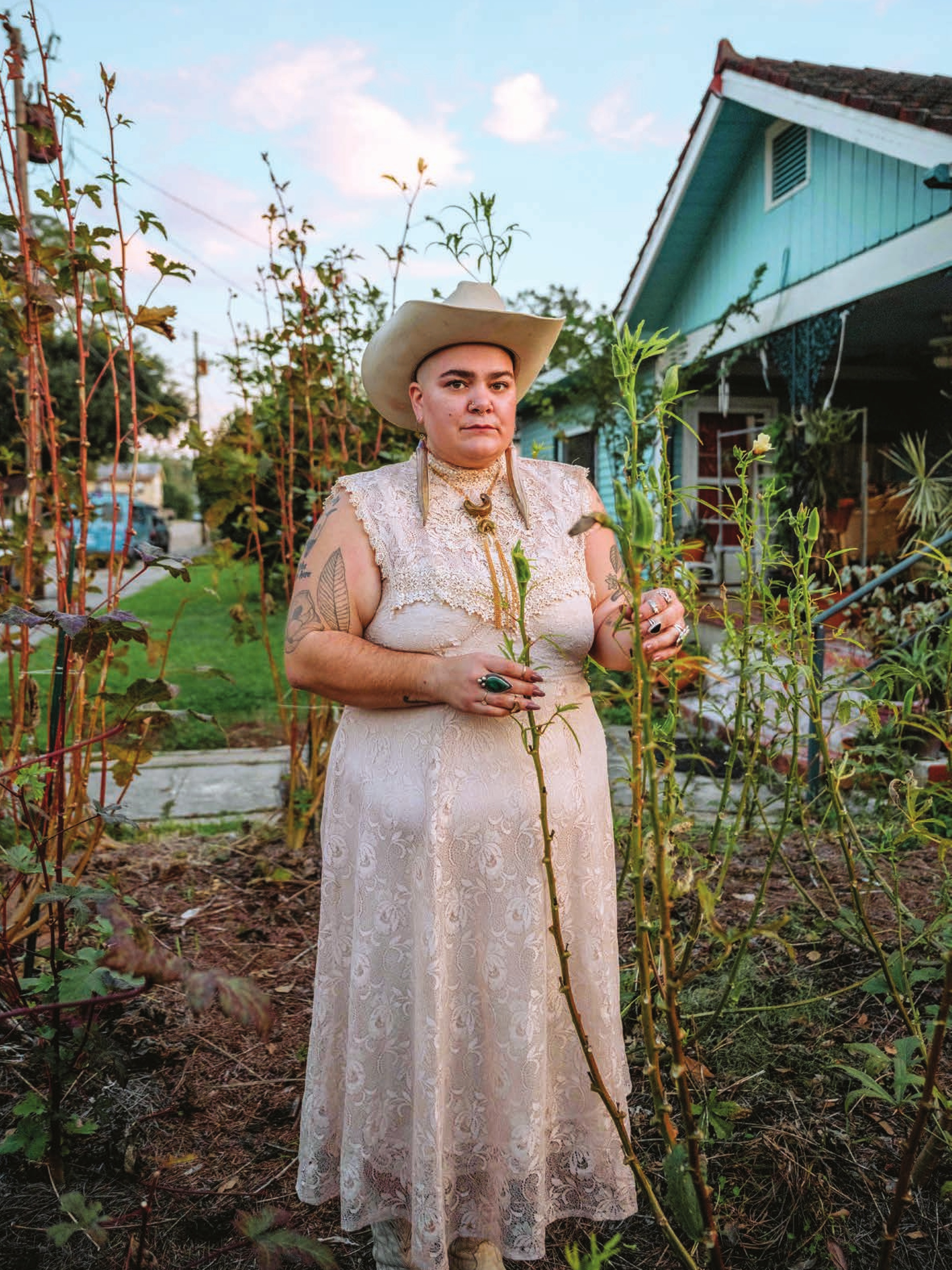
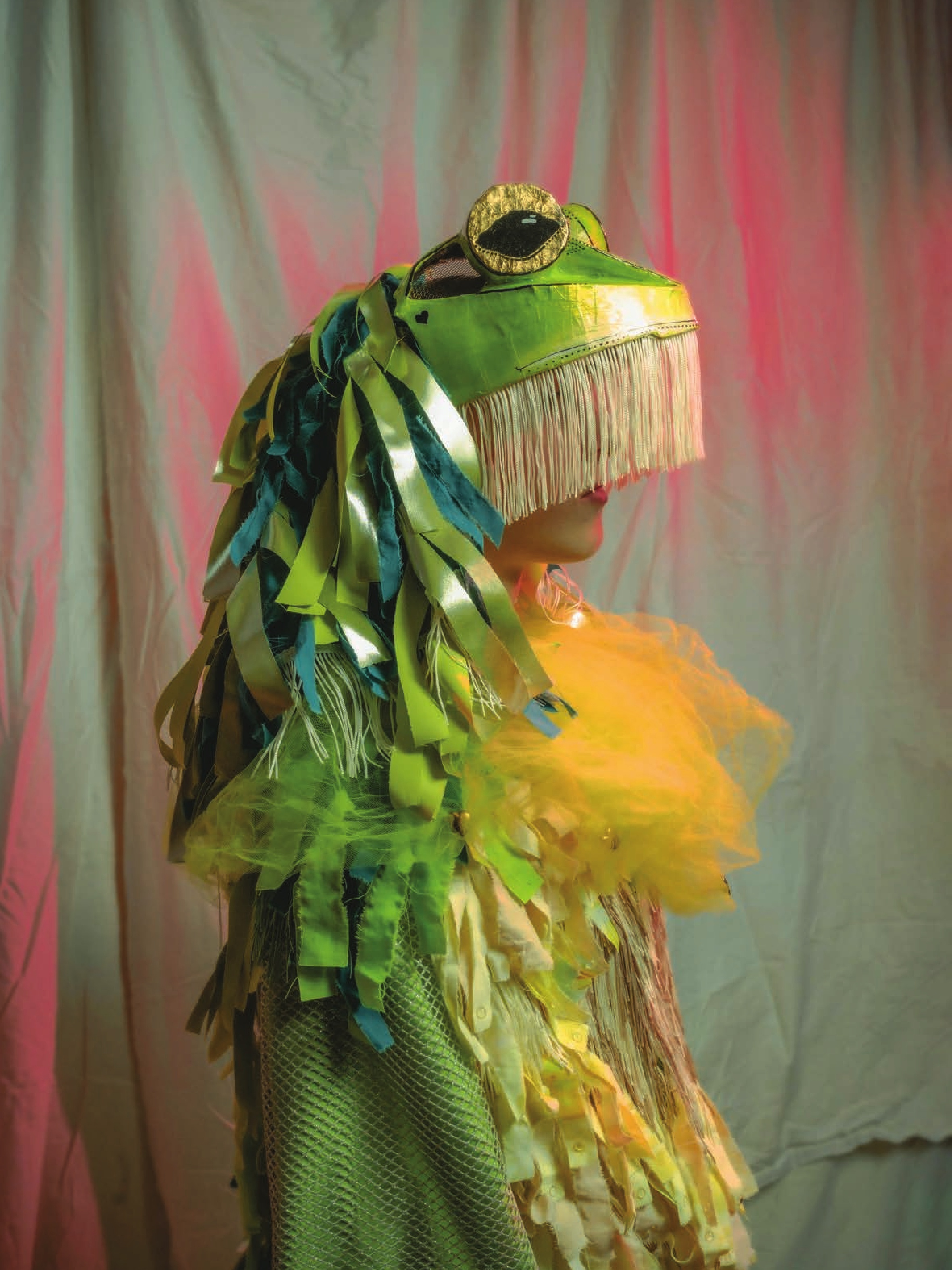
IN LAFAYETTE, ALL-AROUND CREATIVE AND DESIGNER ZOZO HUVAL transforms fabric, cardboard, and folklore into kinetic works of art. Their brand, Gombo Atelier, is a space where creation becomes communion and every Mardi Gras costume tells a story. These ensembles blend anthropology, art, and spirituality into living sculptures to be worn throughout Mardi Gras season, and the result isn’t just a wearable costume—it’s transformative creativity.
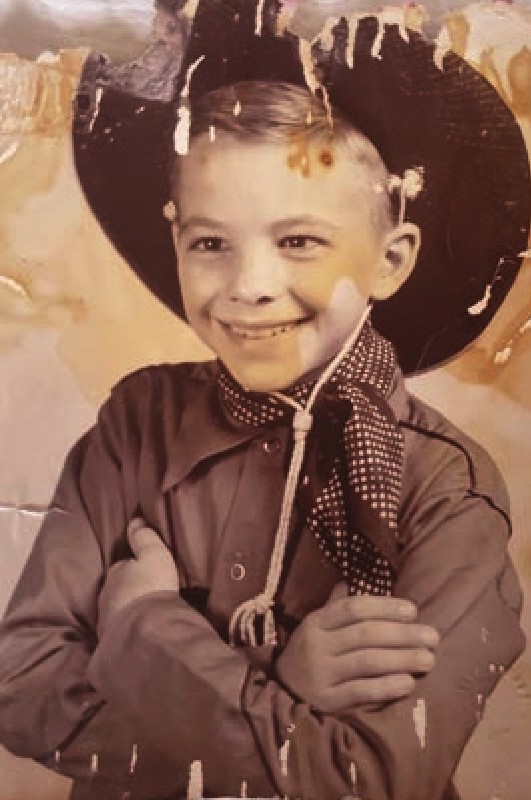
For Zozo, artistic exploration is something intrinsic, woven into their DNA. “It’s always been an innate thing,” they say. “It’s literally a part of who I am.” From their earliest years, Zozo’s creativity showed up in ways that others might have seen as chaos. “I was always that child ‘making a mess,’” says Zozo. “But through my eyes, I was creating something that didn’t exist before.”
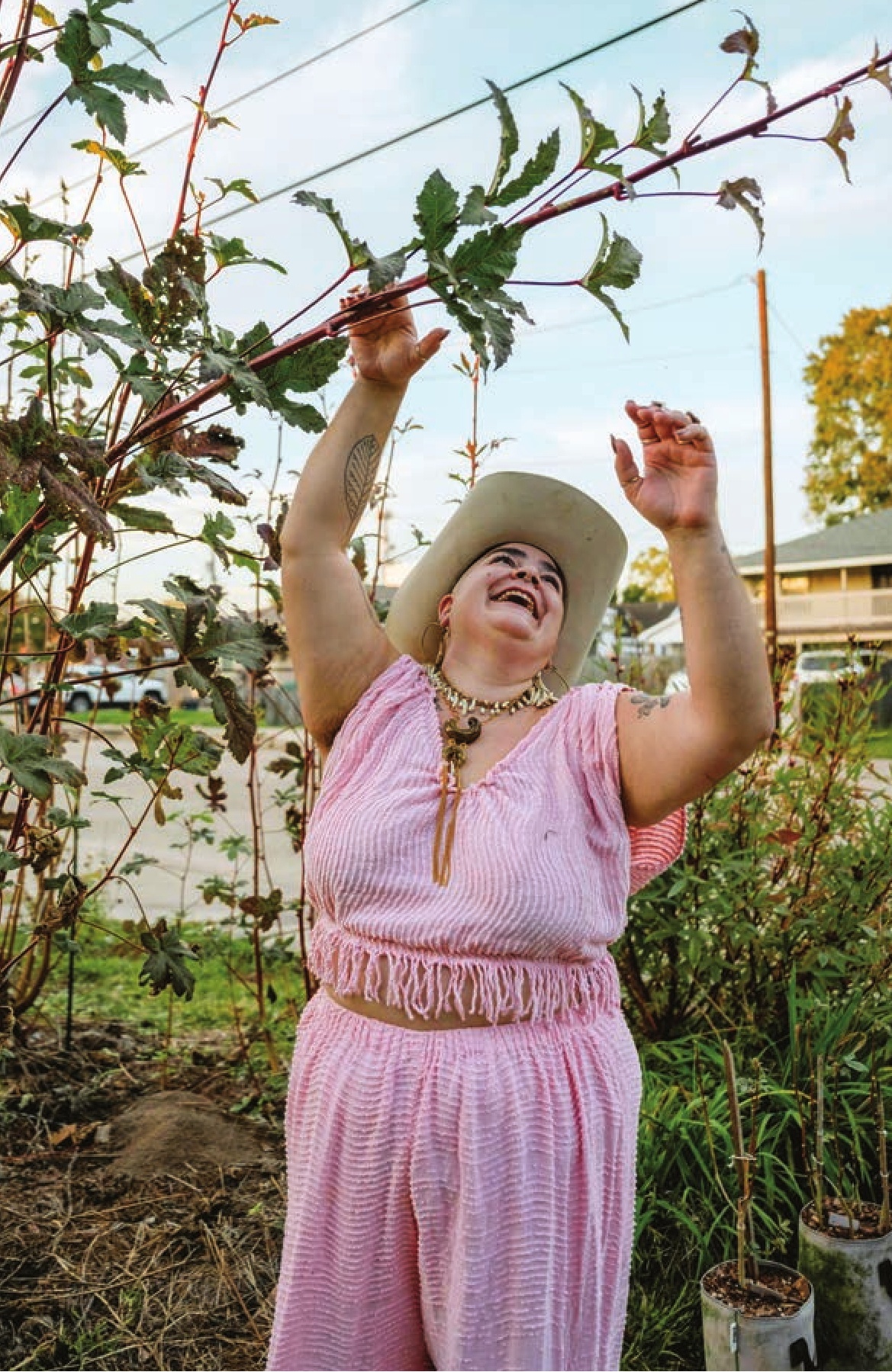
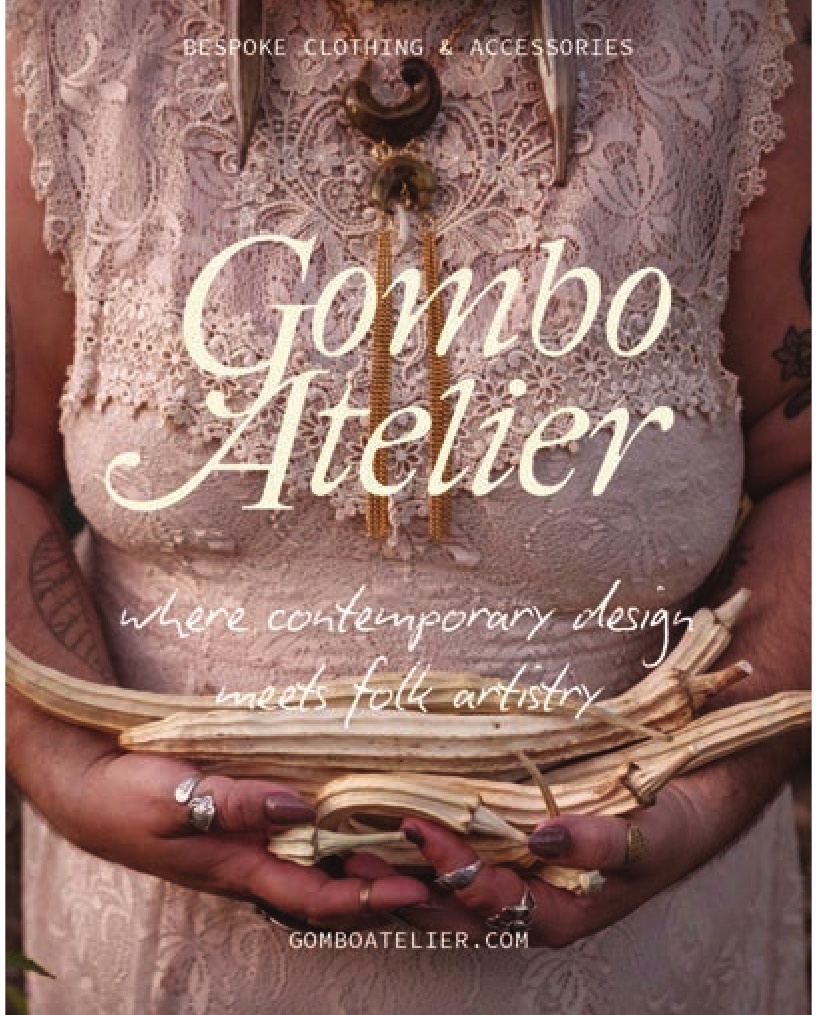
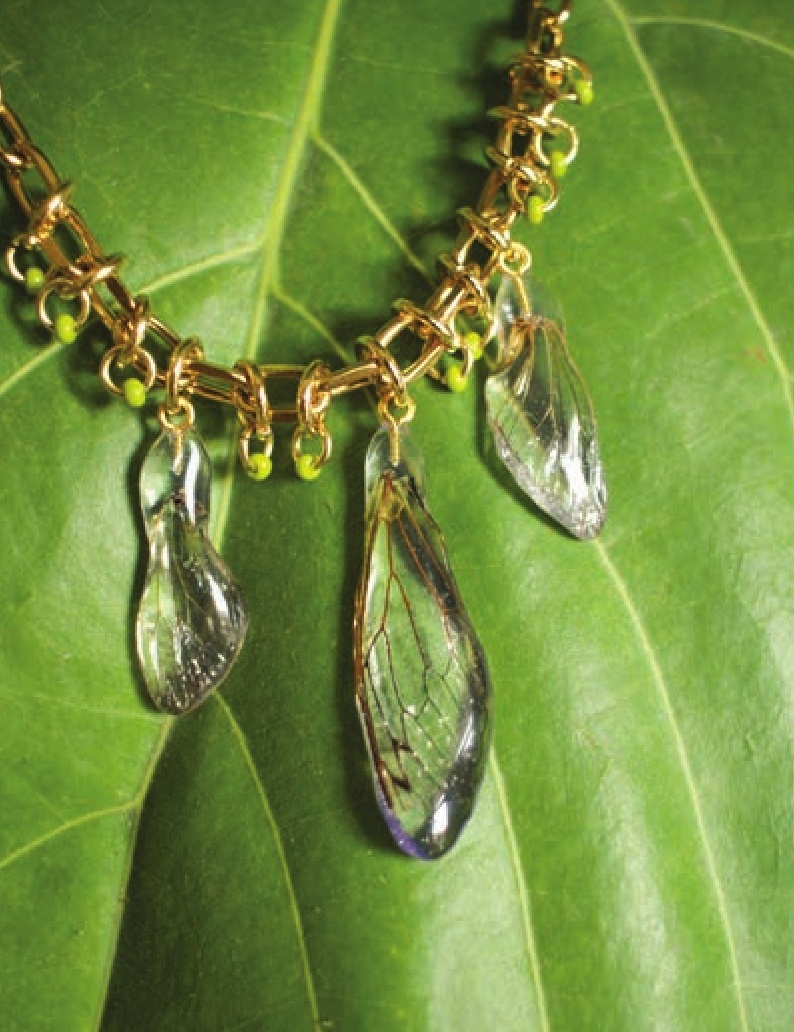
Their work spans Mardi Gras costumes, jewelry, and textile design, but at its core, the goal is to hone in on something deeper: human connection. Zozo’s background in linguistic anthropology shapes everything about their creative process. “That’s how I see life—through the lens of culture and social systems. So, everything I make has to be culturally and personally relevant. It has to mean something,” they say.
What began as a personal experiment quickly grew into something larger. “At first, I just made a costume for myself,” they recall. “Then a few friends asked me to make theirs. It was very organic . . . baby steps.”
Those baby steps eventually led to a major leap in 2019, when a band from Montreal, Quebec, commissioned Zozo to design their Mardi Gras costumes. “That was the first time I realized I could take this seriously and get paid for it,” Zozo says. “I even flew to Montreal to hand-deliver them. It was surreal.”
THESE MARDI GRAS COSTUMES ARE A LITERAL PART OF MY SOUL. THESE ARE MY CHILDREN. . . BECAUSE I PUT SO MUCH LOVE AND INTENTION AND BLOOD AND SWEAT LITERALLY INTO THESE COSTUMES, YOU KNOW?
Shortly after, the ways in which the world operated on a daily basis were significantly altered due to the COVID-19 pandemic.
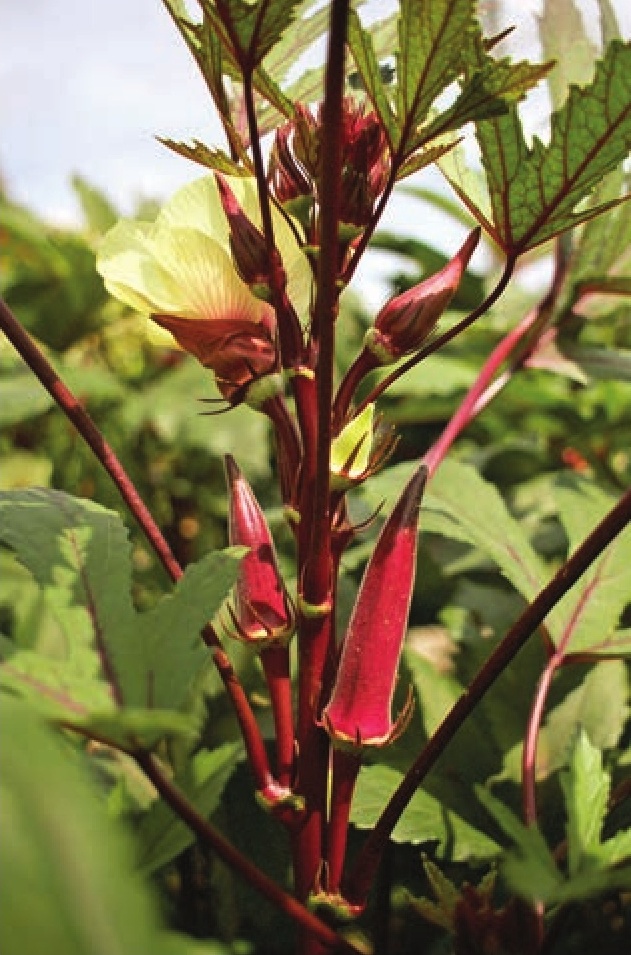
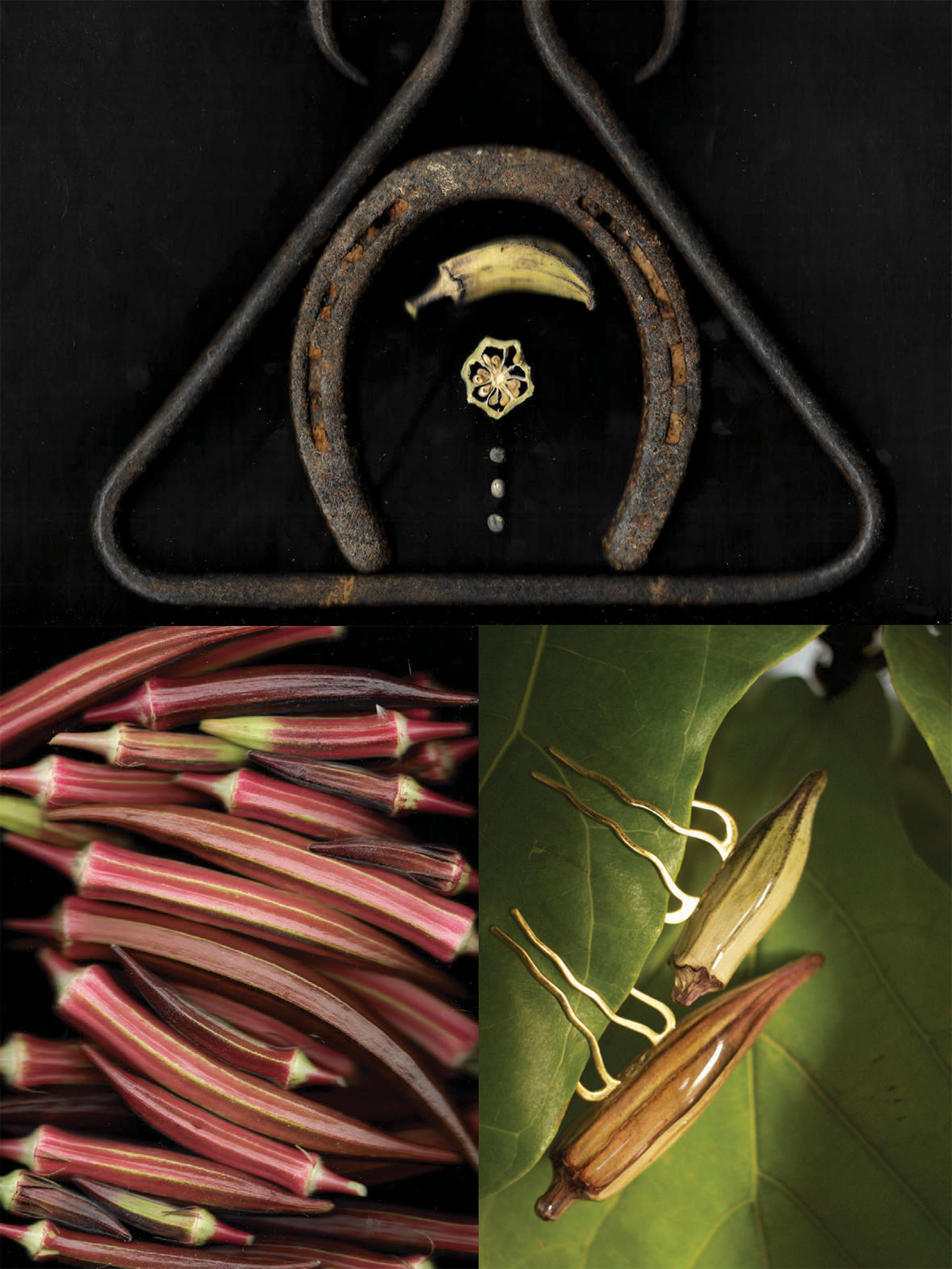
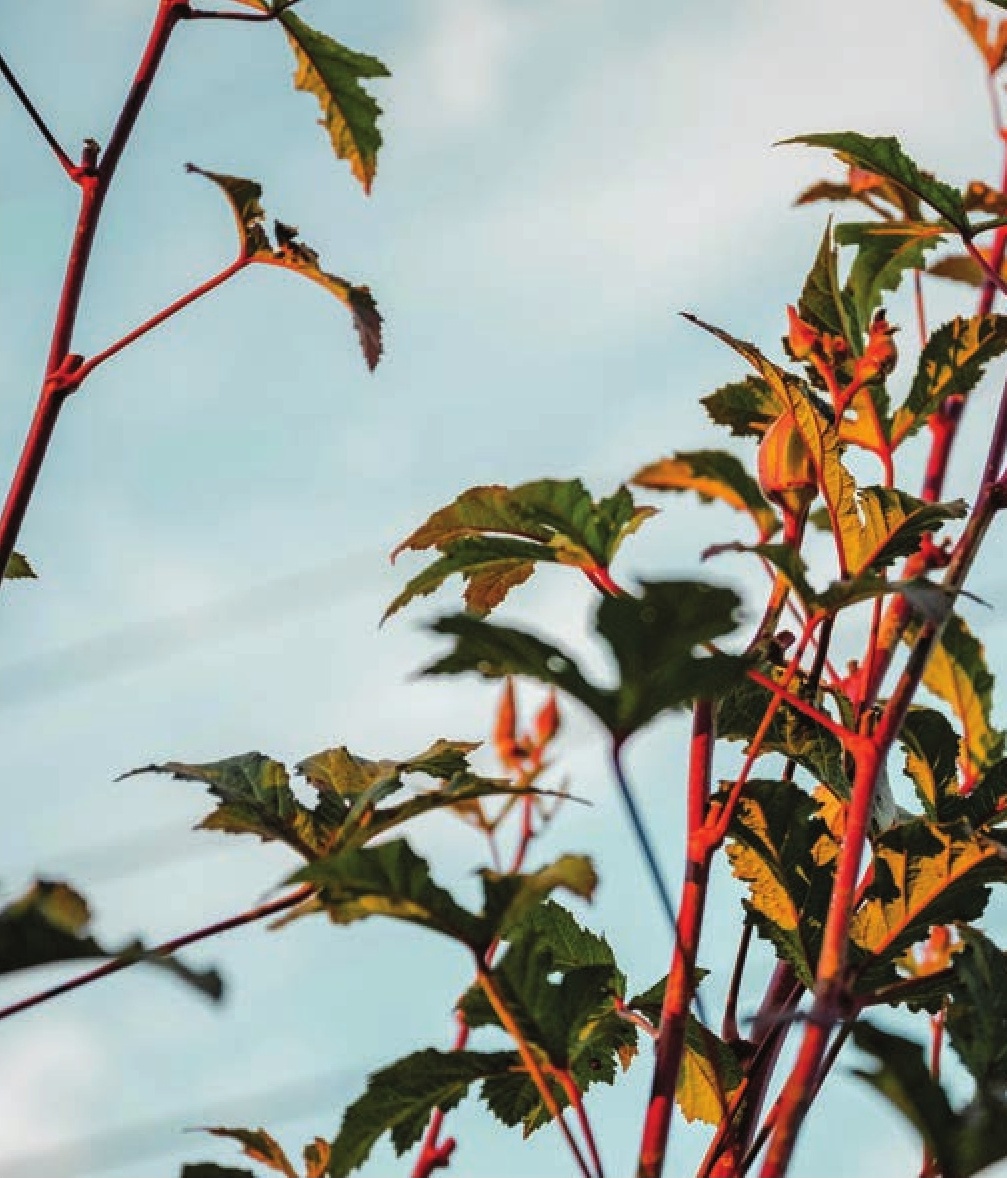
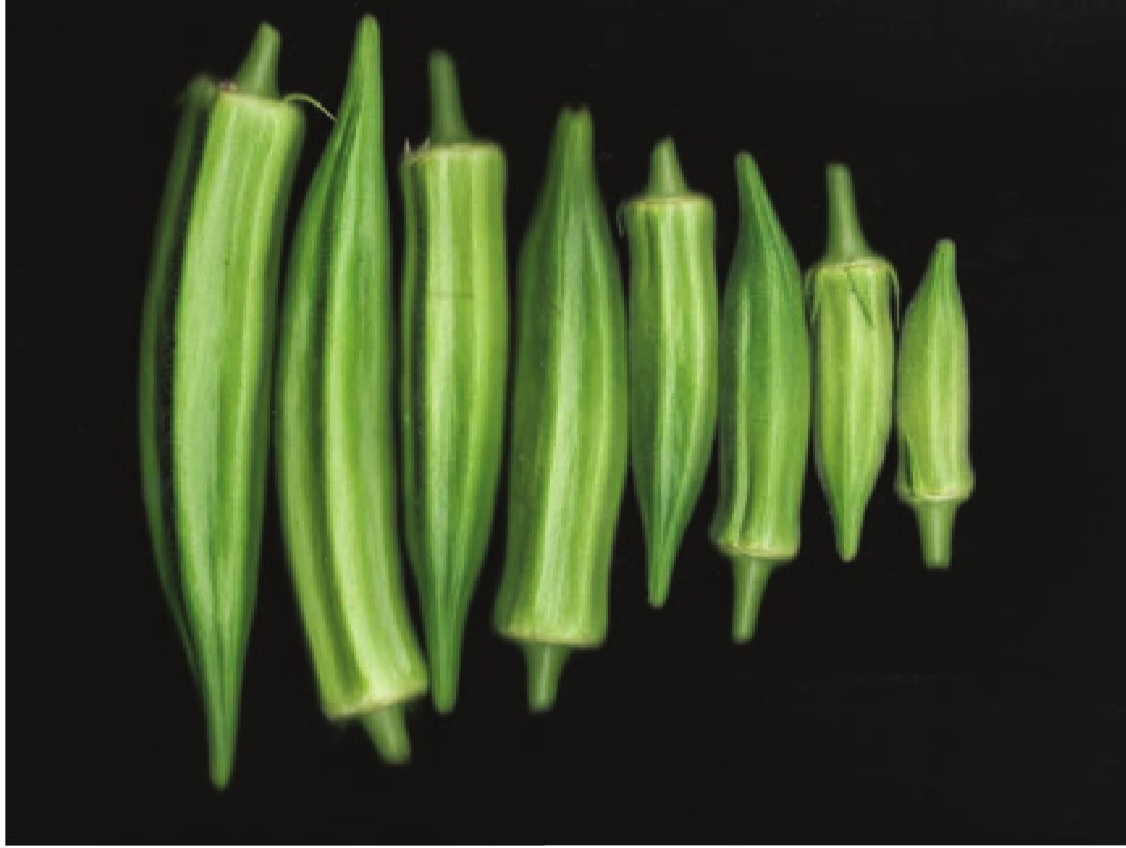
Like many artists, what got Zozo through this challenging time was reconnecting with their creative roots. This came in the form of Pickled Okra (the original brand name), which grew steadily and organically until Zozo felt it was time for a fresh start, rebranding as Gombo Atelier, about a year ago. People had come to think of the brand as Zozo themself, and this was a way to try a new direction.
Zozo’s approach to costume design is the antithesis of premade, manufactured costumes. “Every piece is a commission. There has to be a personal connection. Otherwise, it’s meaningless.” When a client comes to them for a Mardi Gras costume, Zozo begins with conversation instead of sketches. They ask personal, thought-provoking questions that go far beyond size or color preference: “What animals speak to you? Where do you see yourself in 10 years? What part of yourself do you want to show the world?”
Through these questions, Zozo learns about the soul of each customer and whether they’re someone Zozo could work with collaboratively, with each answer becoming a thread in the overarching design. For Zozo, costuming is not purely decorative—it’s psychological, spiritual, and deeply personal. “I’m not just making something pretty,” they say. “I’m translating someone’s essence into a garment.”
Once the concept is born, the fun truly begins. Zozo presents sketches to their clients and sources materials from thrifting, carefully selecting textiles that breathe life into the idea. Each fabric is tested for movement and breathability, as Louisiana’s climate demands function as much as flair. “Functionality is the base of everything,” Zozo says. Their base garments are engineered to last years, crafted with ties and hand-stitching instead of glue or mass hardware.
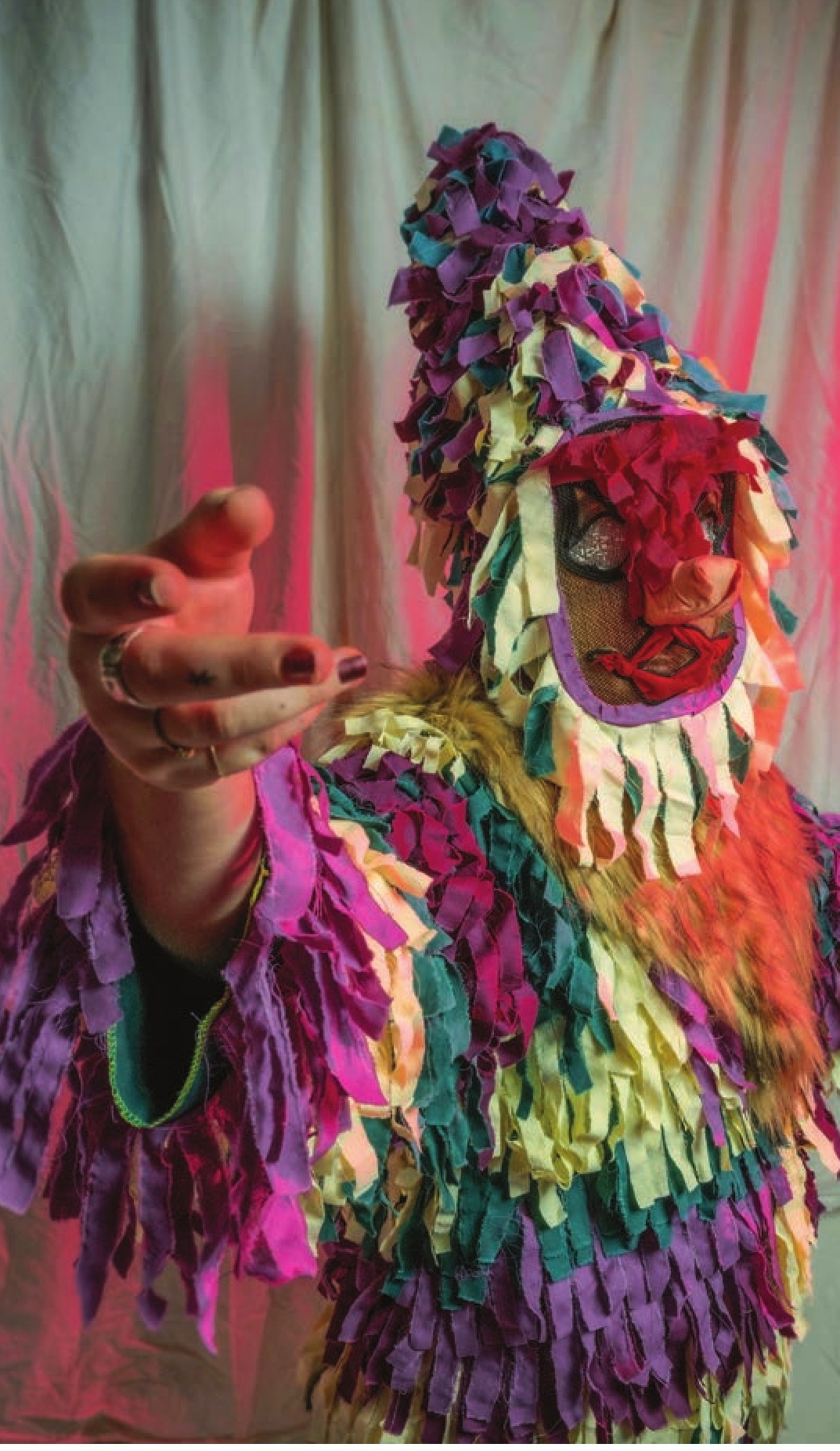
One of the most iconic elements of Zozo’s costumes is the capuchon, a towering cone hat traditionally worn during Cajun Mardi Gras festivities that brings its own challenges when it comes to wearability and functionality. Most people make theirs out of poster board. Zozo uses cardboard, reinforced and sealed with layers of textile and intention. They construct each one by hand, balancing height and weight so the wearer can move freely. Inside, a trucker cap ensures that it fits firmly. The result is something monumental and wearable, turning the human body into architecture.
Outside the studio, Zozo teaches special education in Vermilion Parish. This position has given them the ability to be more selective with their art commissions, as well as collaborate with other Louisiana artists and showcase their work at events like the National Folk Festival.
Every costume Zozo makes carries traces of the people, plants, and histories that surround them. Their work reminds us that Mardi Gras isn’t just a parade or a party. It’s a living language, spoken in fabric and sweat, color and song. And in Zozo’s hands, it becomes something timeless—a celebration of what it means to belong, to create, and to remember.