

Food photography by Stephanie Welbourne Steele | Recipe Development by Amanda Stabile | Story by Kaitlyn Shehee
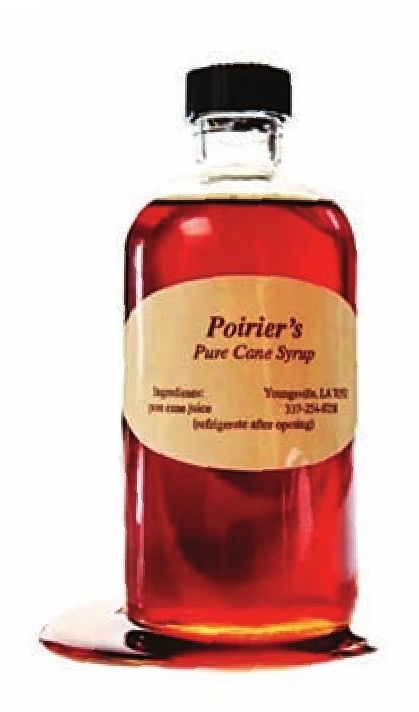
n the heart of southern Louisiana, where sugarcane fields stretch under the sun and heritage runs deep, a quiet revival is taking place. For Charles Poirier, owner of Poirier’s Cane Syrup, this sweet delicacy is equal parts a labor of love, a tribute to family, and a way of preserving the past for generations to come.
Poirier’s Cane Syrup isn’t made in a factory or mass-produced like some syrups on the market. It’s slow-cooked the old-fashioned way, just as Charles’ great-great-grandfather once did in the small community of Cypress Island. “When my father passed, I thought it would be a nice way to pay homage to him,” Charles explains. His voice carries the warmth of memory and the weight of a commitment that began generations before him.
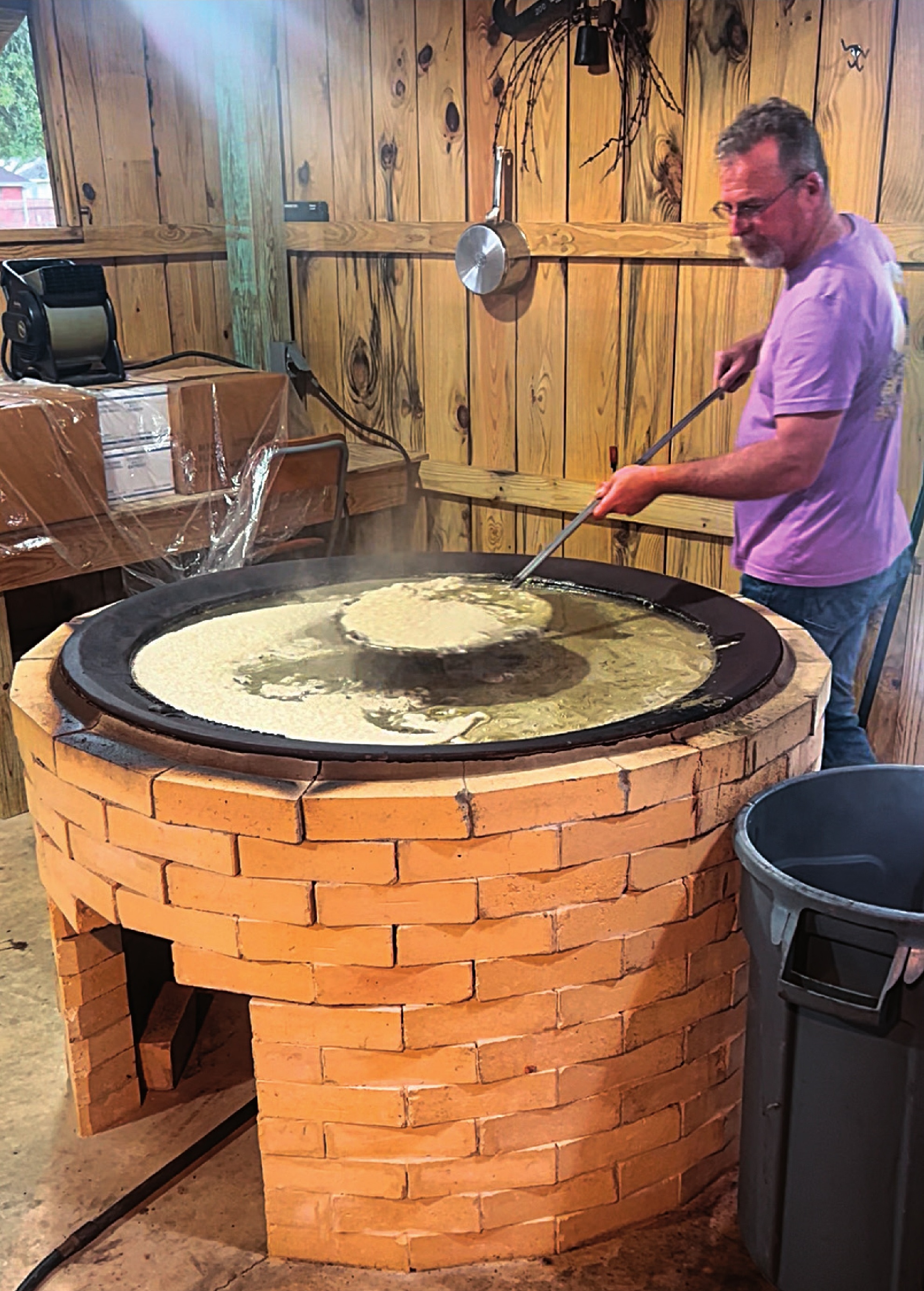
Raised just south of Lafayette in Youngsville, Charles grew up surrounded by sugarcane and old farming equipment. “There was always cane growing around us,” he recalls. “I’ve always loved antique tractors and machinery, and this gave me a way to put it all to good use.”
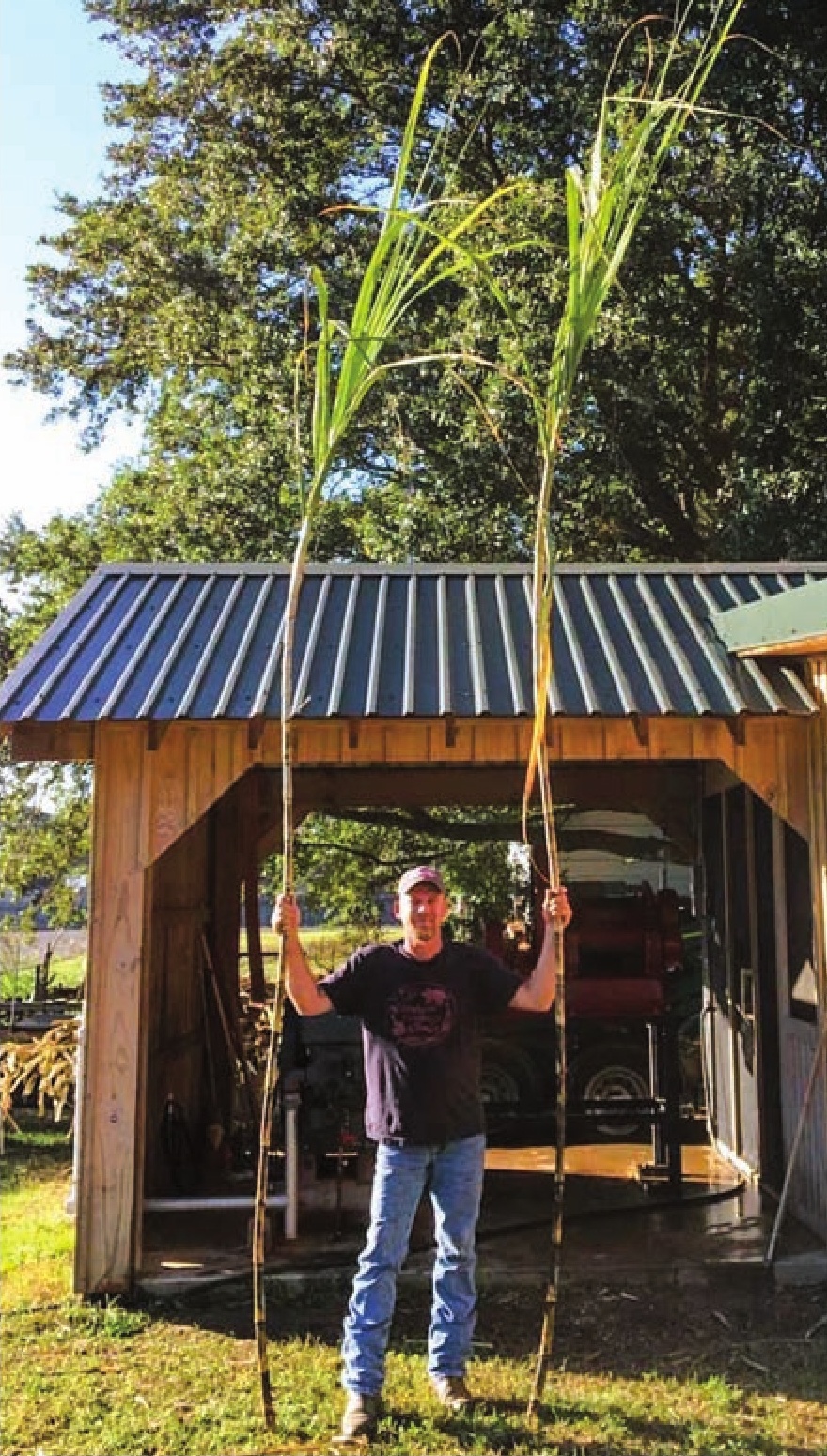
That mix of agricultural roots and mechanical curiosity laid the foundation for his small-batch syrup operation, where every bottle begins in the field and ends in the kitchen. “You plant cane around August or September,” he says. “Then it grows through the winter and into the spring. By October, it’s ready to cut and press.”
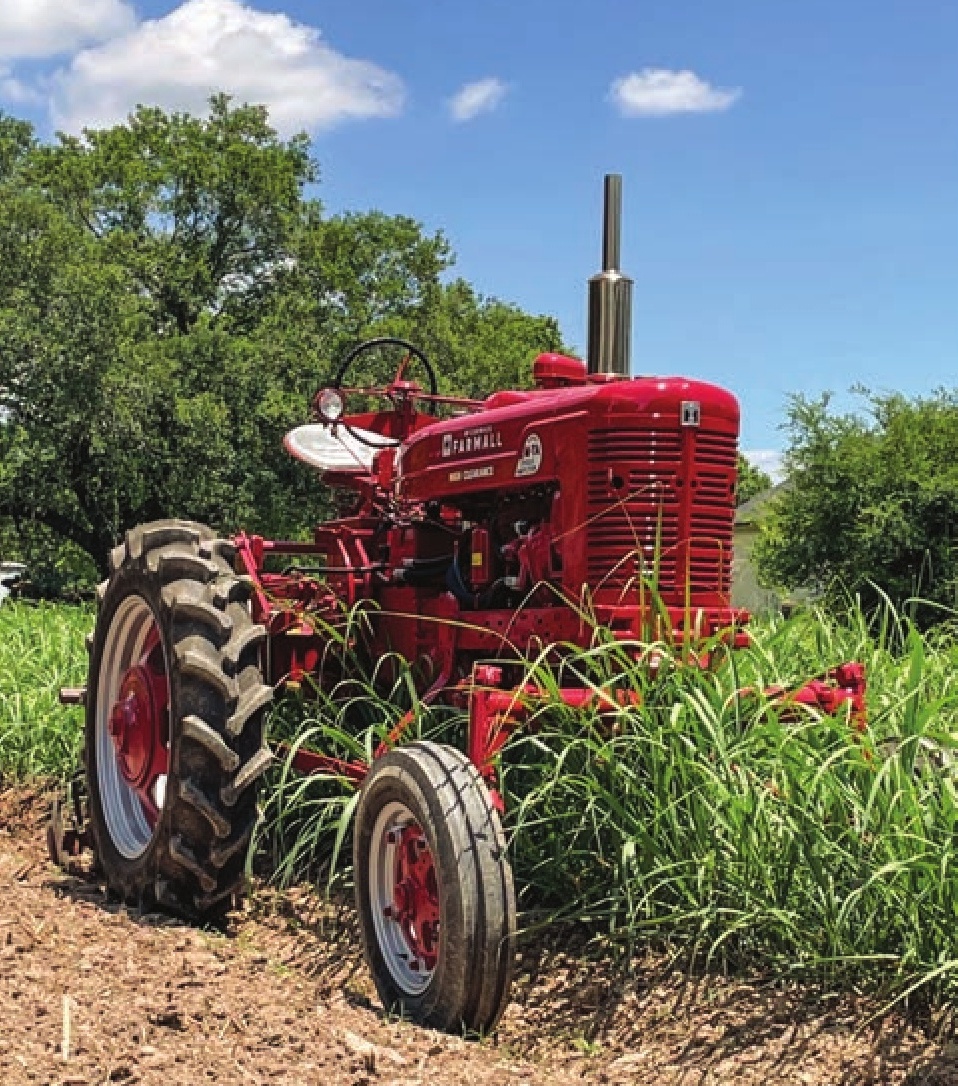
From there, the cane juice is cooked slowly in syrup kettles, a process that can take eight to 10 hours from start to finish. “It’s all about cooking it low and slow,” he explains. “If you rush it, it gets bitter or scorched. But done right, it’s got this nice caramel flavor that’s sometimes buttery. Depending on the cane variety, it can be light or dark.”
Syrup-making is a very labor-intensive craft. Beyond planting and harvesting, there’s pressing, skimming, cooking, and bottling, all of which are done with little automation—not to mention machinery to maintain. “It’s a lot,” Charles admits. “Keeping up with the old machines alone takes time.”
“Done right, it’s got this nice caramel flavor that’s sometimes buttery. Depending on the cane variety, it can be light or dark.”
—Charles Poirier
Owner, Poirier’s Cane Syrup
Those machines, many of which belonged to his father, are a critical part of the process. “My dad started farming cane in the 1950s. I still use his tractors and implements. I’ve restored a few others, too.”
That tradition resonates far beyond Youngsville. Poirier’s Cane Syrup has become a quiet favorite among chefs in New Orleans. “I actually have to turn some of them away now,” he says. “I just don’t make enough. Between working a full-time job and doing this, I can only make so much.”
Each year’s production is limited, and once it’s bottled, it sells out fast, especially among a growing crowd of culinary enthusiasts who appreciate its handcrafted quality. There’s even a trend among fans of taking a spoonful of syrup followed by a shot of whiskey. “They say it started with a shot of Jameson,” Charles says with a laugh. “It’s good, but you’ll get in trouble quick doing that!”
The syrup is more than a product—it’s a legacy in a bottle. It’s a connection to the land, to his father, and to a way of life that’s becoming rare. As he continues to balance old-world methods with modern demands, he keeps one thing at the center of it all: authenticity.
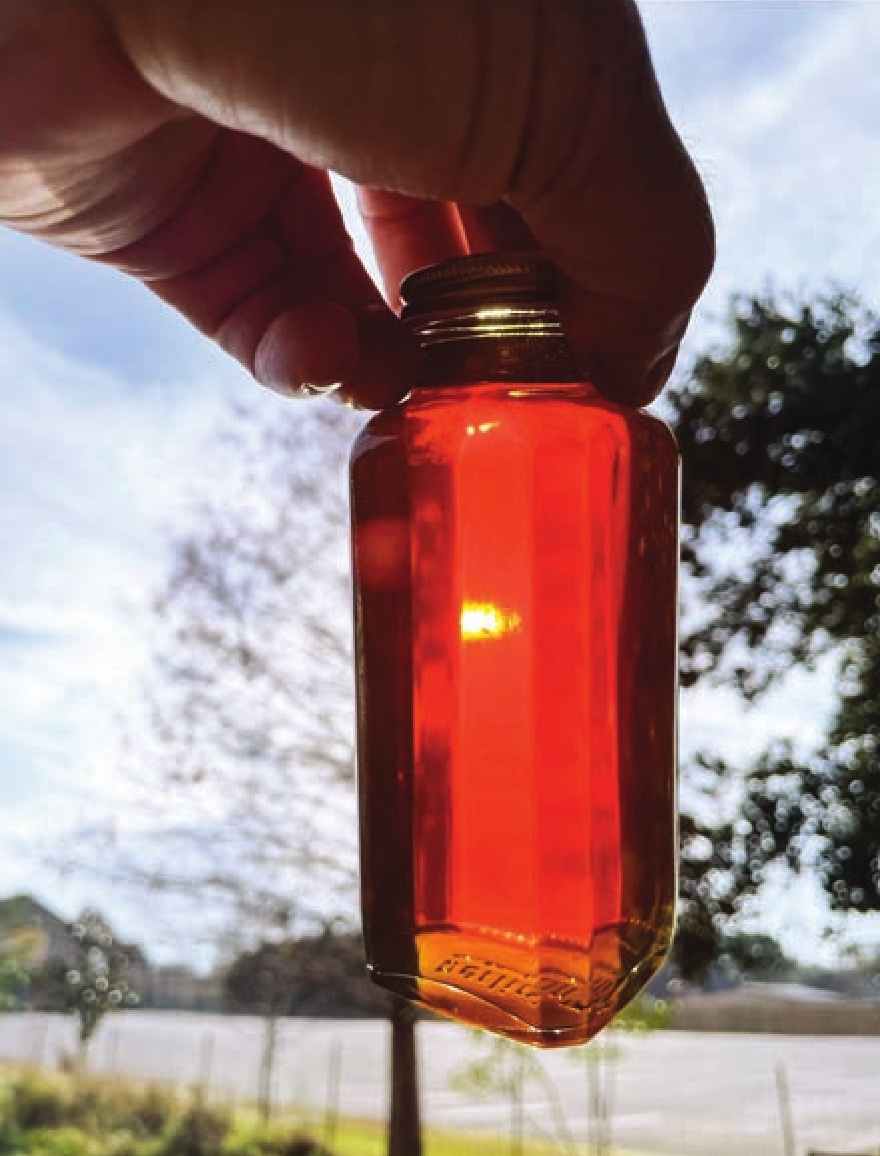
“I just try to make what people want,” he says. “Some like the lighter syrup, others like the strong old-fashioned kind. I’ll keep growing both. But no matter what, I’ll keep doing it the old way.”
Because for Charles, every batch is a story and every bottle, a memory preserved in sweetness.




I asked you about a man selling syrup on the road between Lafayette and Abbeville. You said his name but I forgot it. Can you refresh my memory?