

Story and recipes by Nini Nguyen
Photography by Cory James Fontenot
This year marks the 50th anniversary since my family, like many other Vietnamese families, left their war-torn country to seek a new home here in the United States. After the fall of Saigon on April 30, 1975, the US opened its doors, offering refuge to those displaced by the war. Initially settling in major cities like Los Angeles, San Francisco, and Houston, a smaller group settled in the Gulf Coast areas, where my family began to form tight-knit communities and rebuild their lives from the ground up. What we didn’t know then was that we would not only reshape our own lives but also play a part in transforming America’s culinary landscape. Looking back now, I’m amazed at how far Vietnamese food has come in this country—what was once a small part of immigrant enclaves is now a beloved, mainstream cuisine. From pho to banh mi and even the rise of Viet-Cajun seafood, Vietnamese flavors have woven themselves into the very fabric of American food culture.
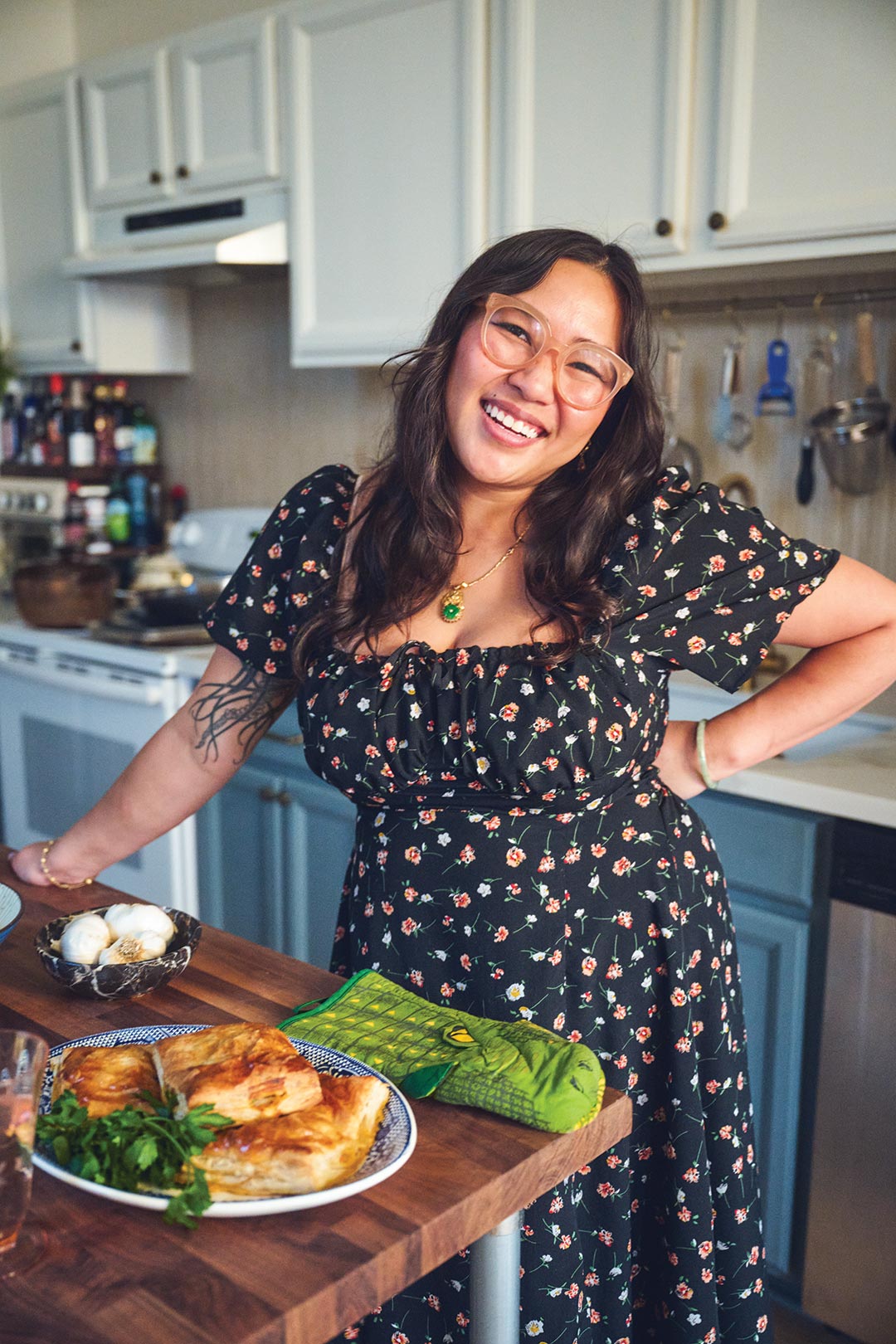
When my grandmother first came to this country, she didn’t stop cooking Vietnamese food just because she was in a new place. I like to think that she figured out how to cook her food with what she had access to. Vietnamese people are very resourceful, and we are very tied to our land. That is why every home in my neighborhood in the 1980s had herbs and vegetables growing on every square foot of dirt they had. We are agricultural people who came with the clothes on our backs and seeds in our pockets.
Once Vietnamese families had their bearings, Vietnamese restaurants started popping up all over the country. Traditional dishes like pho (a beef noodle soup) and banh mi (classic Vietnamese sandwiches) were relatively unknown in the US, but as more and more people from different backgrounds tried these flavorful, aromatic dishes, they quickly gained a following.
Pho, in particular, became a gateway for many Americans to Vietnamese cuisine. For the Vietnamese community, pho was a taste of home and sharing it with Americans was a way to bridge cultural gaps. The simplicity and depth of flavor in pho, with its rich broth and fresh herbs, struck a chord with many. Little did anyone know, pho would become a staple in restaurants all across the country.
Fast-forward to now, 50 years later, Vietnamese food is everywhere. From restaurants all over the country to viral TikTok recipes and uses for rice paper, Vietnamese ingredients are sprinkled into everyday American dishes. And as a Vietnamese American chef, I am so excited to see non-Vietnamese people enjoying things I grew up with and also using ingredients in ways that blow my mind.
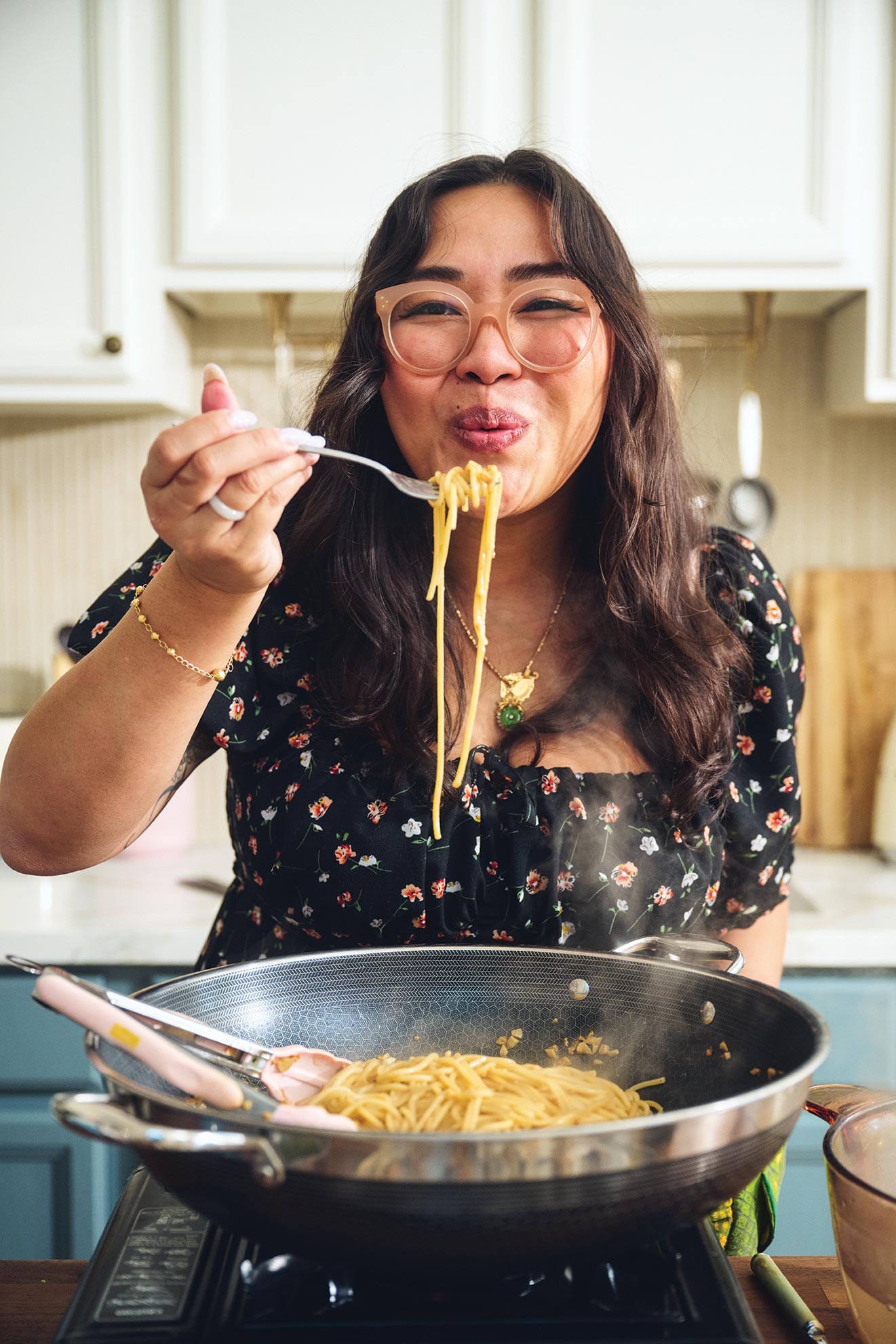
As the years passed, Vietnamese cuisine evolved in America, blending traditional dishes with local influences and modern twists. One example is the rise of garlic noodles—a dish born in the Vietnamese American community, particularly in San Francisco. Garlic noodles combine buttery richness with fish sauce, garlic, and other spices, resulting in a bold, savory dish that has become a favorite across the US.
One of the most famous contributions from the Vietnamese American community to American food culture is Sriracha. This iconic hot sauce, which was created in the 1980s by David Tran, a Vietnamese refugee who founded Huy Fong Foods in California, has become a global phenomenon. What makes Sriracha so beloved is its perfect balance of heat, sweetness, and tang, which has made it a go-to condiment for everything from pho to pizza. The popularity of Sriracha is a testament to how a simple Vietnamese product can have a massive impact on American food culture, becoming a household name in kitchens everywhere.
One of the most exciting aspects of Vietnamese cuisine today is how it’s being shared and celebrated on social media. Rice paper, a simple yet versatile ingredient used in dishes like gỏi cuốn (fresh spring rolls), has become a trend on platforms like Instagram and TikTok. What was once a staple in Vietnamese homes is now a social media sensation. Food influencers are using rice paper to create everything from crispy chips to colorful desserts. Its popularity on social media has helped introduce Vietnamese ingredients to a younger, more diverse audience, who experiment with rice paper in creative ways. Whether used for wrapping fresh herbs and shrimp or frying it into crispy chips, rice paper’s role in modern cuisine shows how Vietnamese food is evolving extremely versatilely.
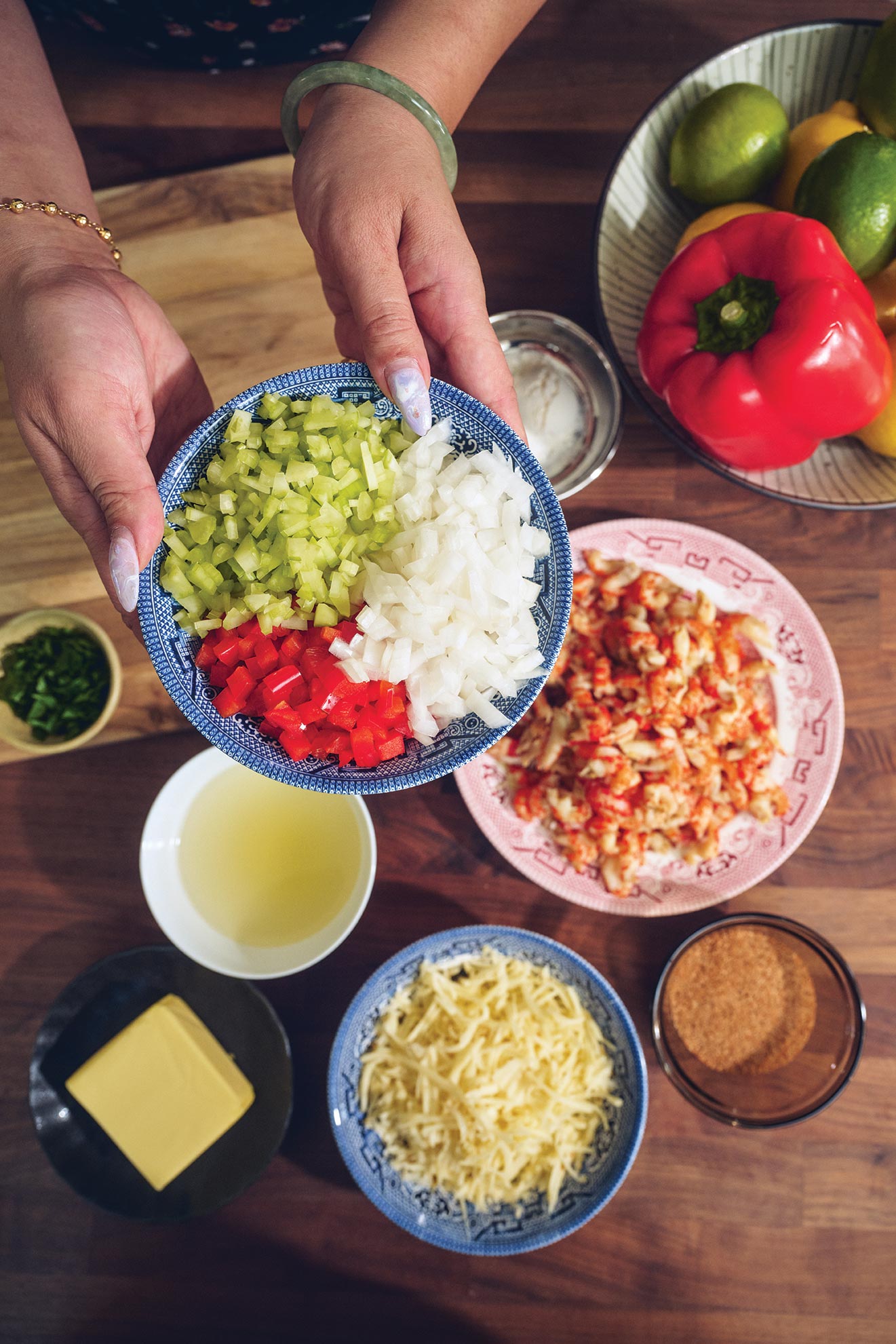
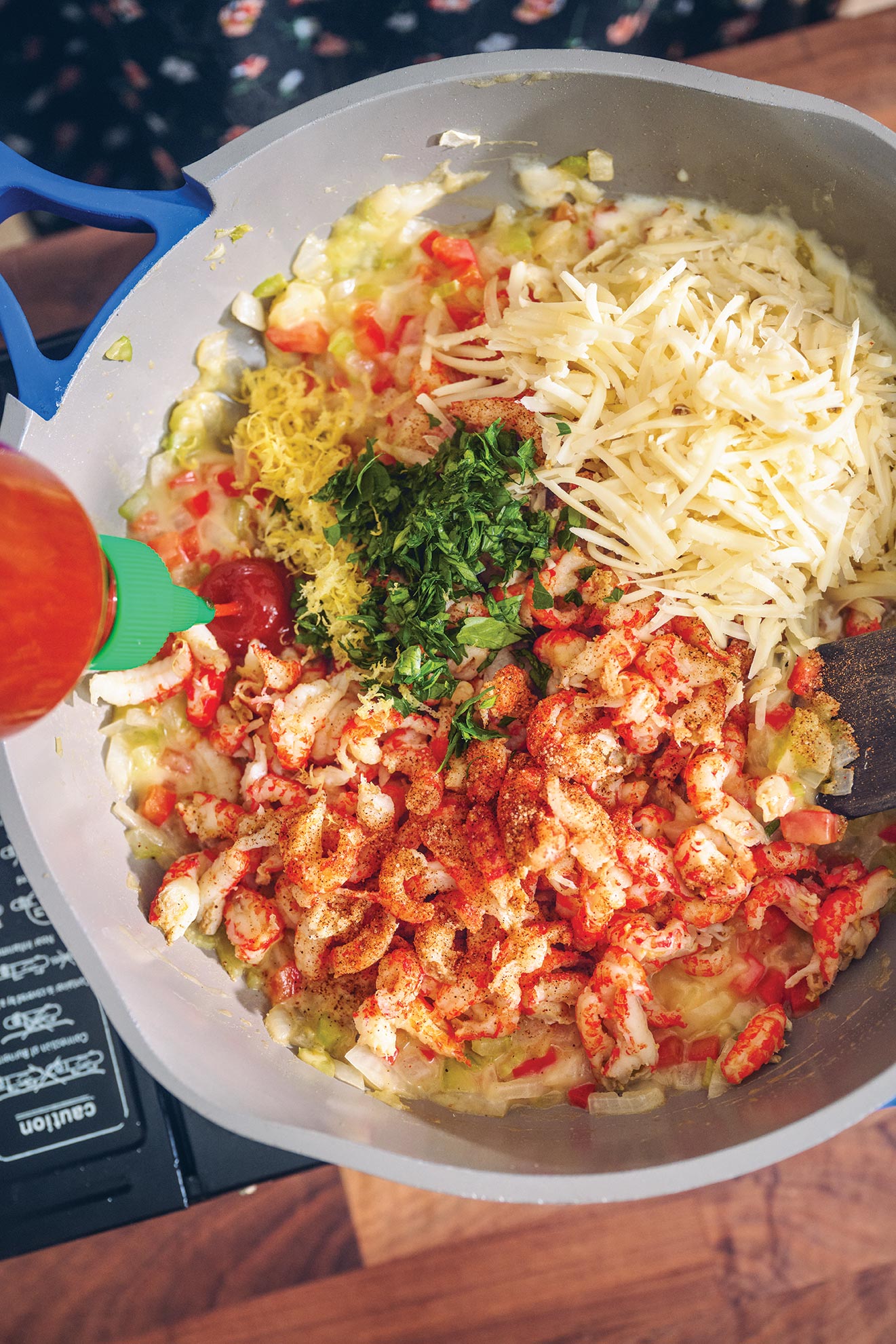
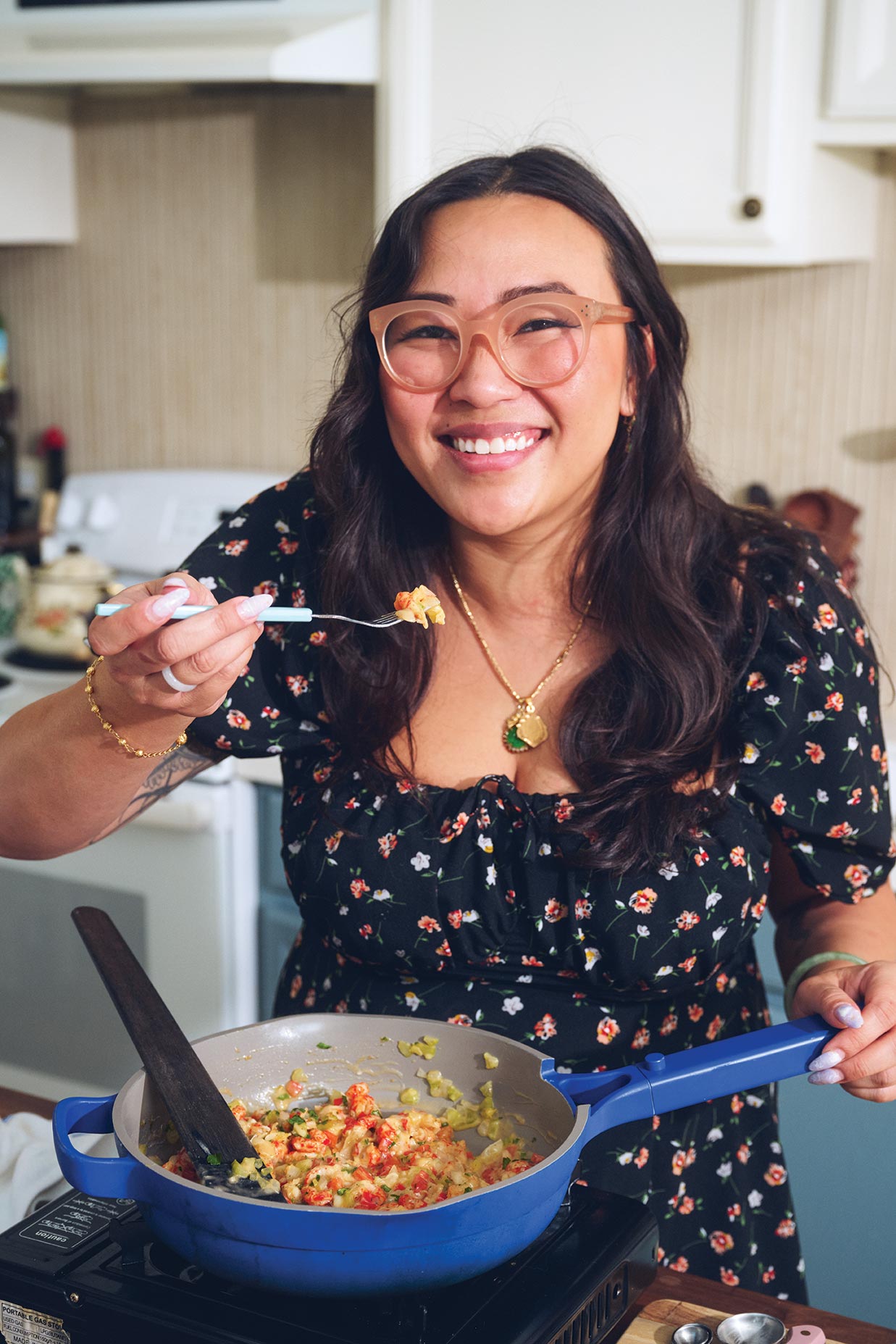
Another Vietnamese American food trend that has taken the US by storm—and something I have a deep connection with—is Viet-Cajun seafood. This fusion of Cajun spices with Vietnamese ingredients has become hugely popular. Cities like Houston, New Orleans, and Baton Rouge have embraced this new, bold, and spicy twist on traditional seafood boils. Viet-Cajun seafood often features crawfish or shrimp cooked the traditional way and then tossed in a buttery, garlicky sauce with fish sauce, lemongrass, and chili.
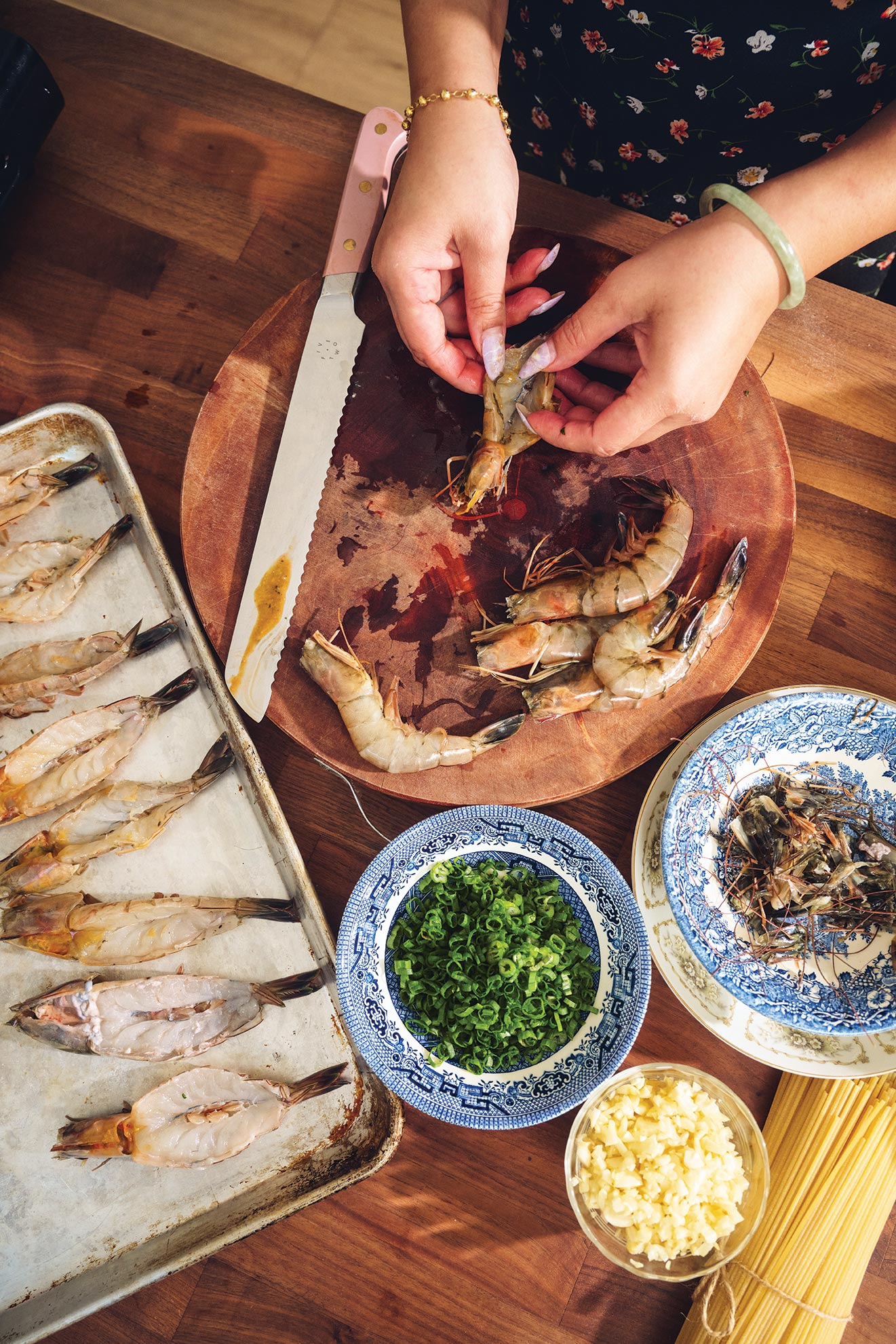
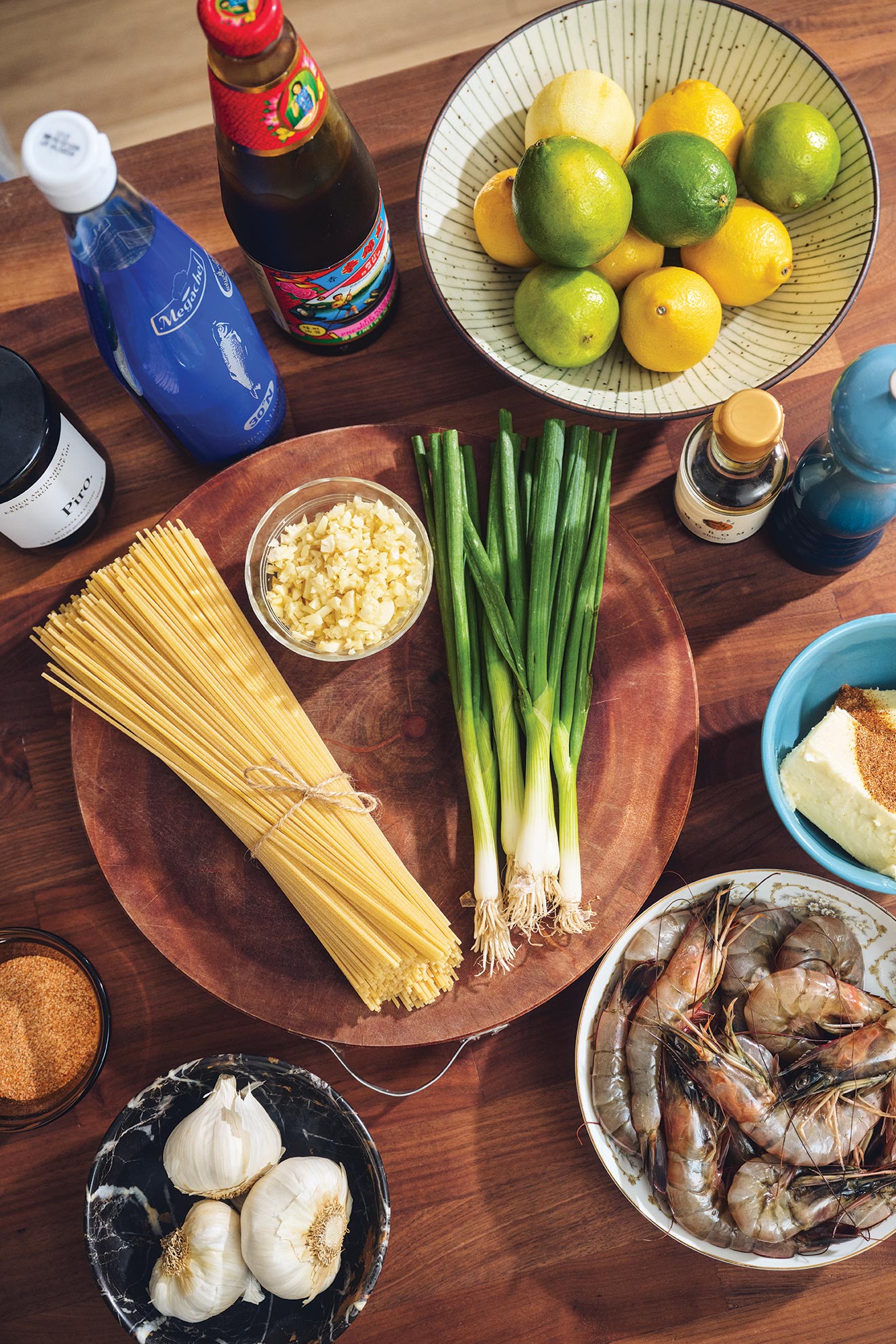
The combination of Southern Cajun spices and Vietnamese herbs and sauces creates a unique, mouthwatering flavor profile that appeals to food lovers of all backgrounds.
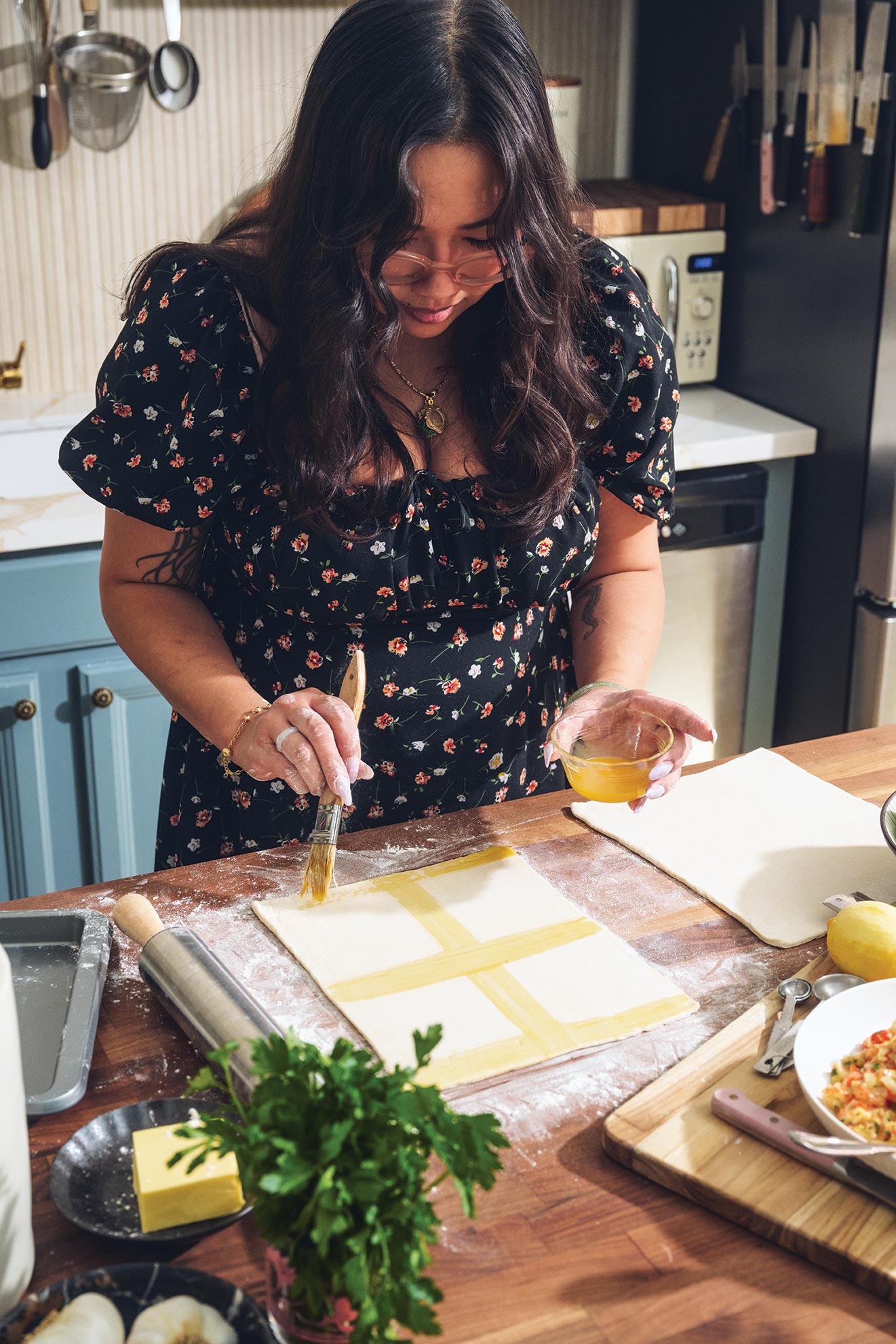
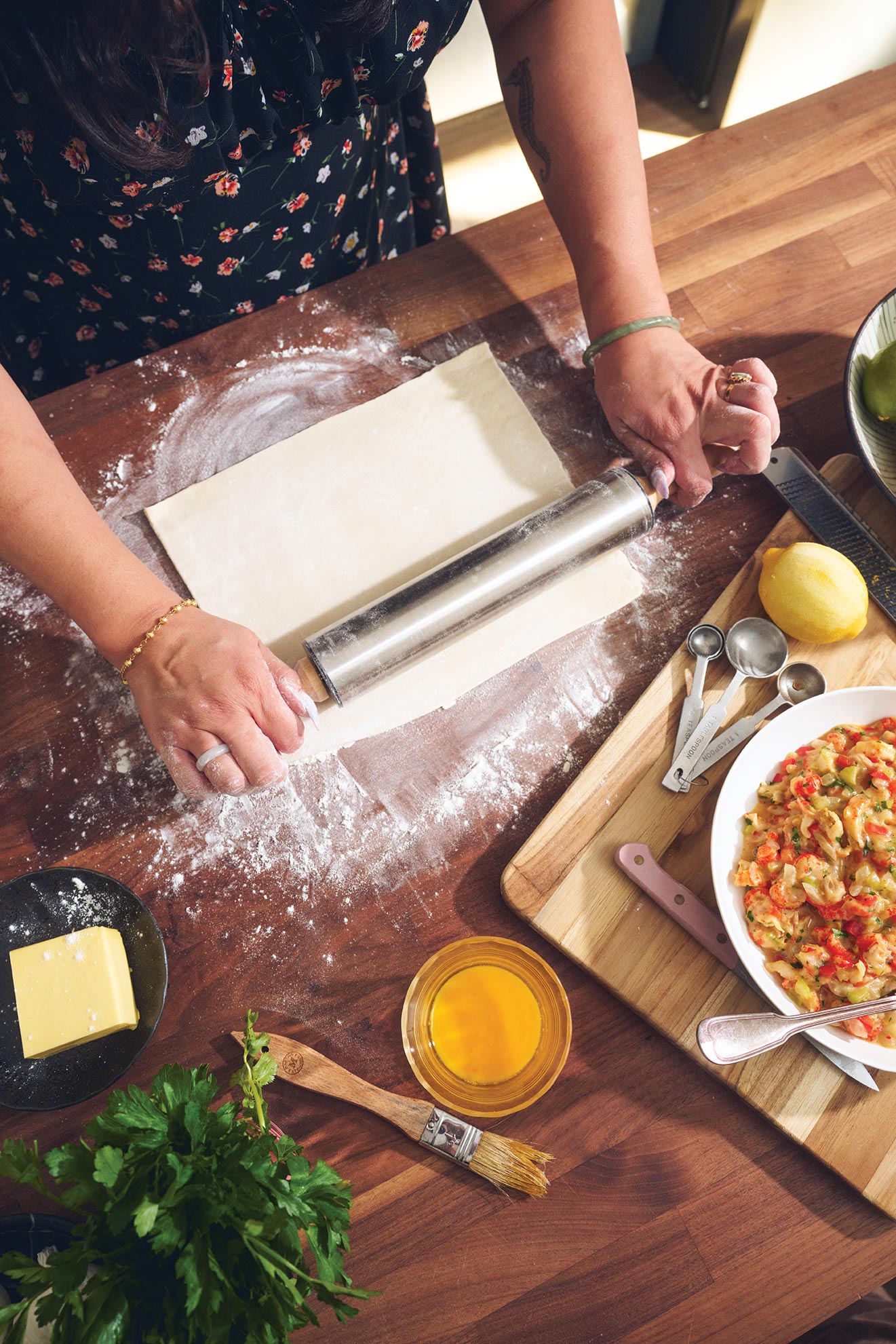
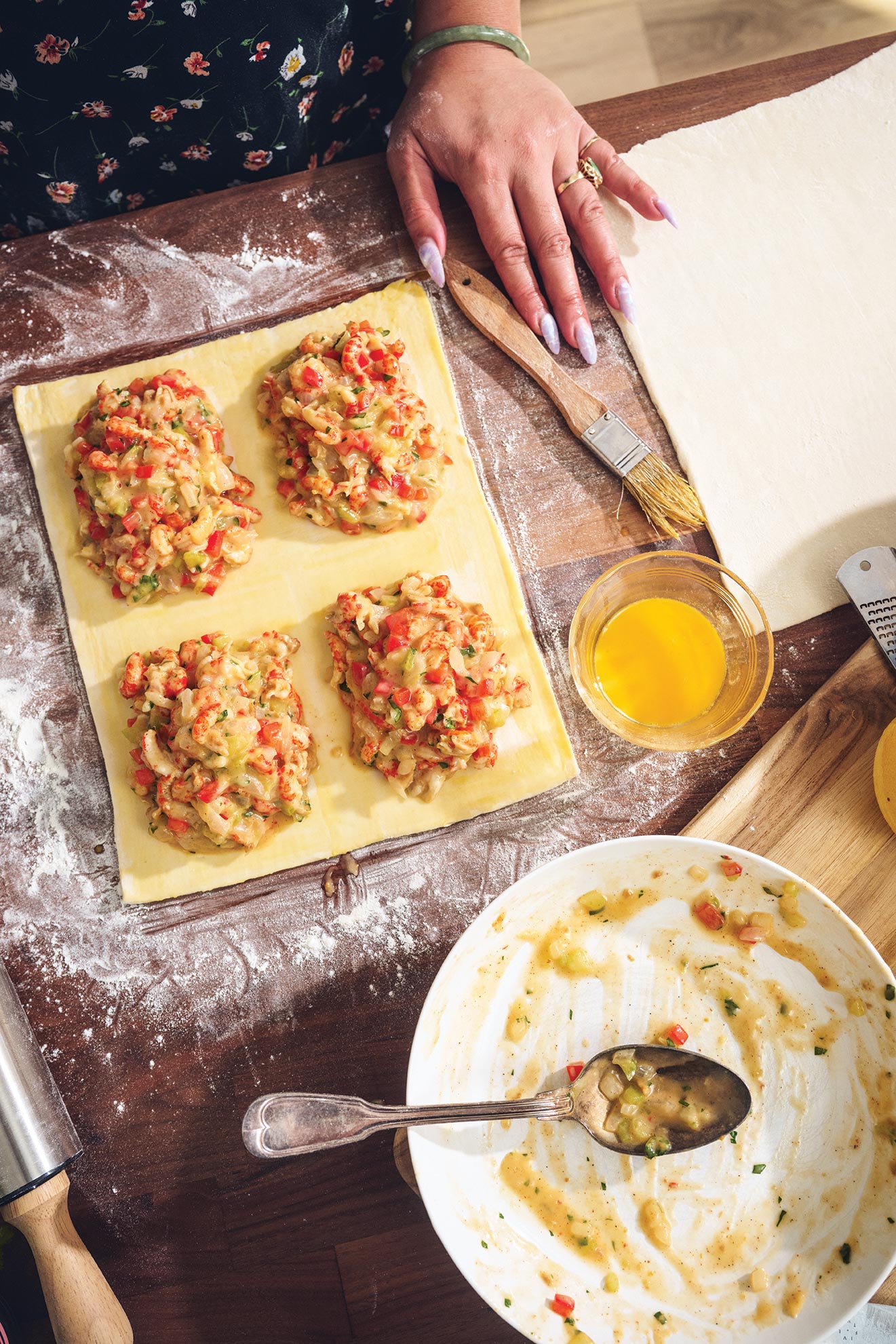
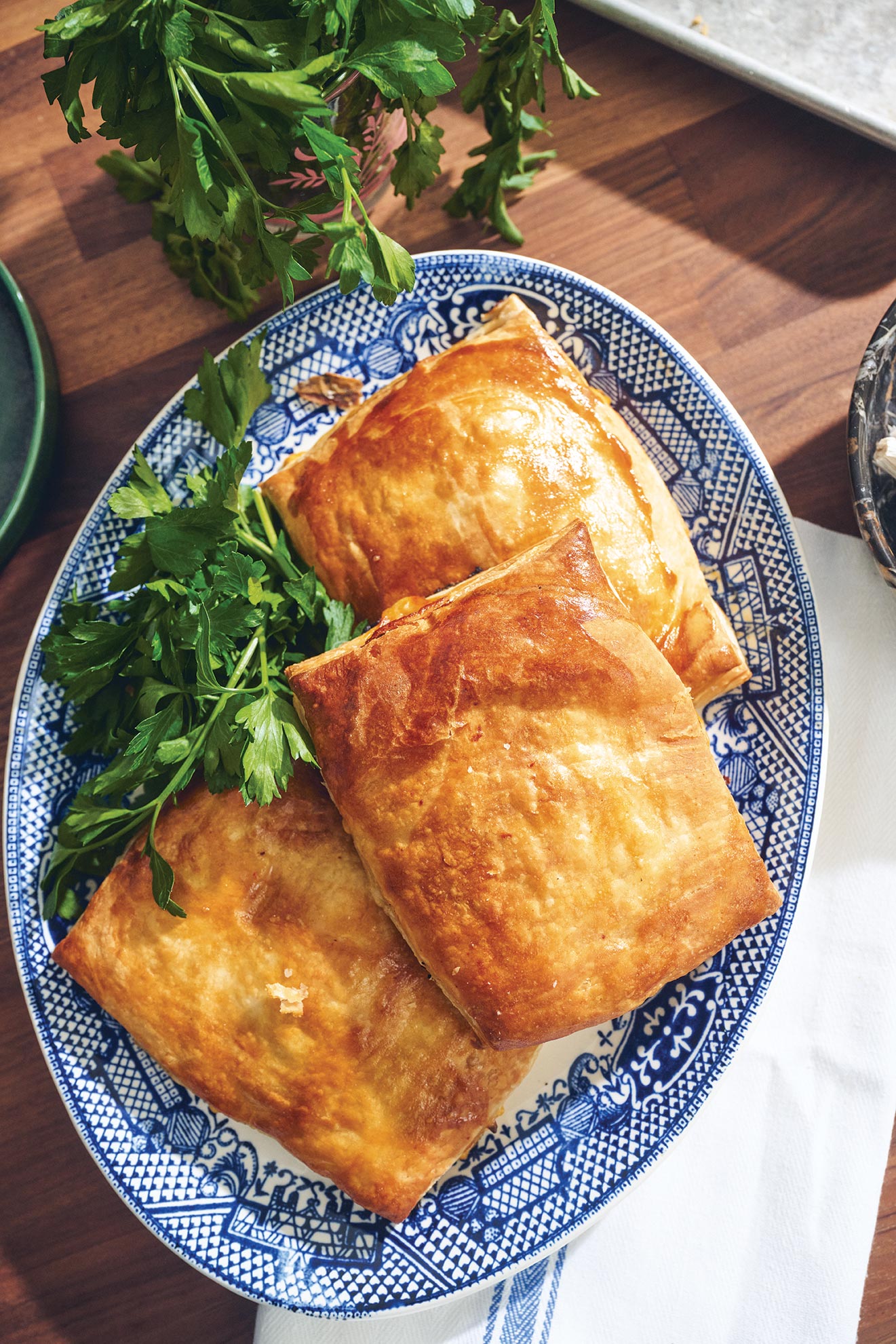
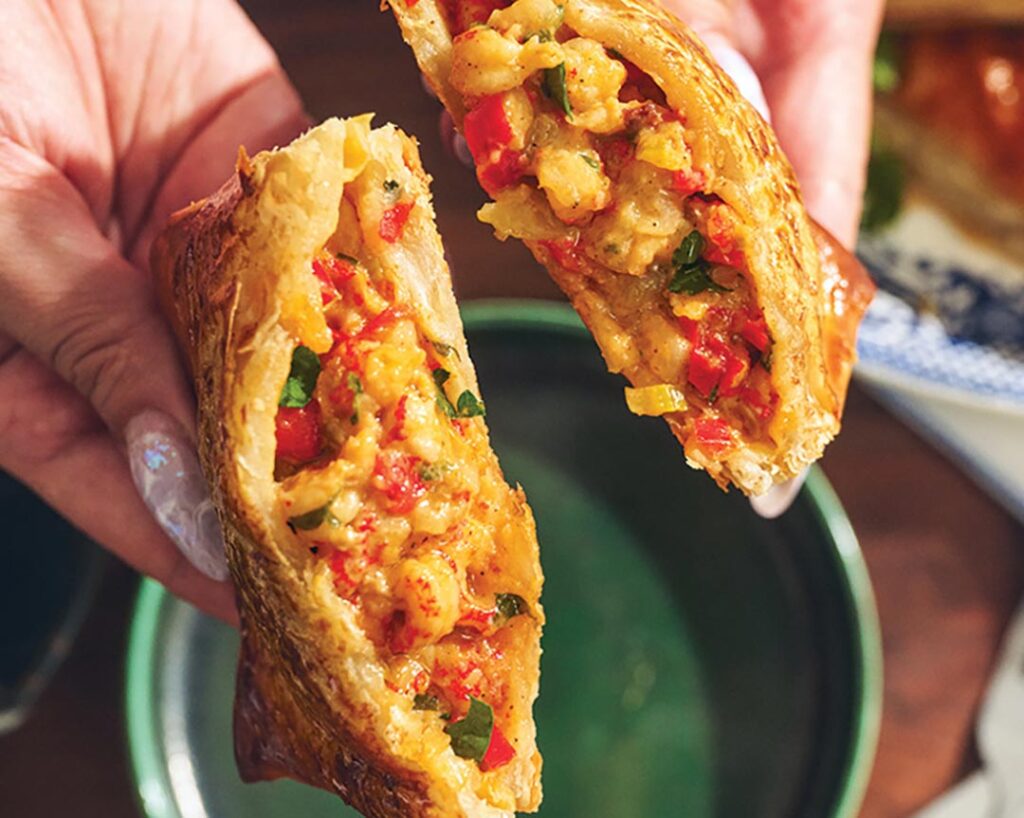
Another dish Vietnamese people can thank the French for is our meat pies, also called bánh patê sô or bánh pâté chaud. This isn’t just any ordinary meat pie; it is made with puff pastry and normally filled with savory meat and sometimes mushrooms. If you have ever been to south Louisiana, you would know that we love a good meat pie—or basically any protein wrapped in a flaky crust.
I love comparing Vietnamese cuisine as a long-lost cousin of Cajun and Creole cuisine, with the common thread being the French influence and the similar ingredients we use from the Mississippi Delta to the Mekong Delta. We love a good crusty, light loaf of bread to make po’ boys and banh mis with. Our beloved fish is the catfish that swims in both these deltas. And our love for a deep, dark, stewy dish over rice even though we live in a hot climate makes us cut from the same cloth, which is why I think my family loves calling Louisiana home.
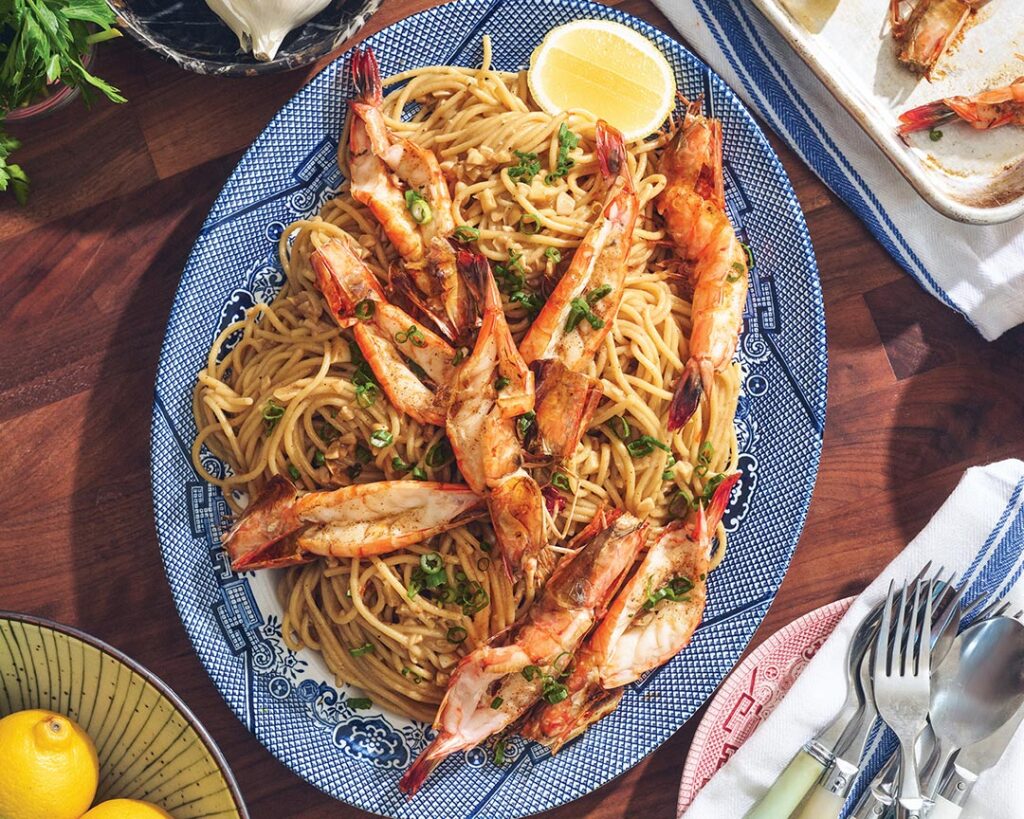



I have a question about the shrimp featured in Nini Nguyen’s recipe; “Creole Garlic Noodles with Shrimp”. Do we eat the entire shrimp, including the shells? I’ve seen Vietnamese folks eating seafood in its entirety, but neither the article not the recipe mentions this.