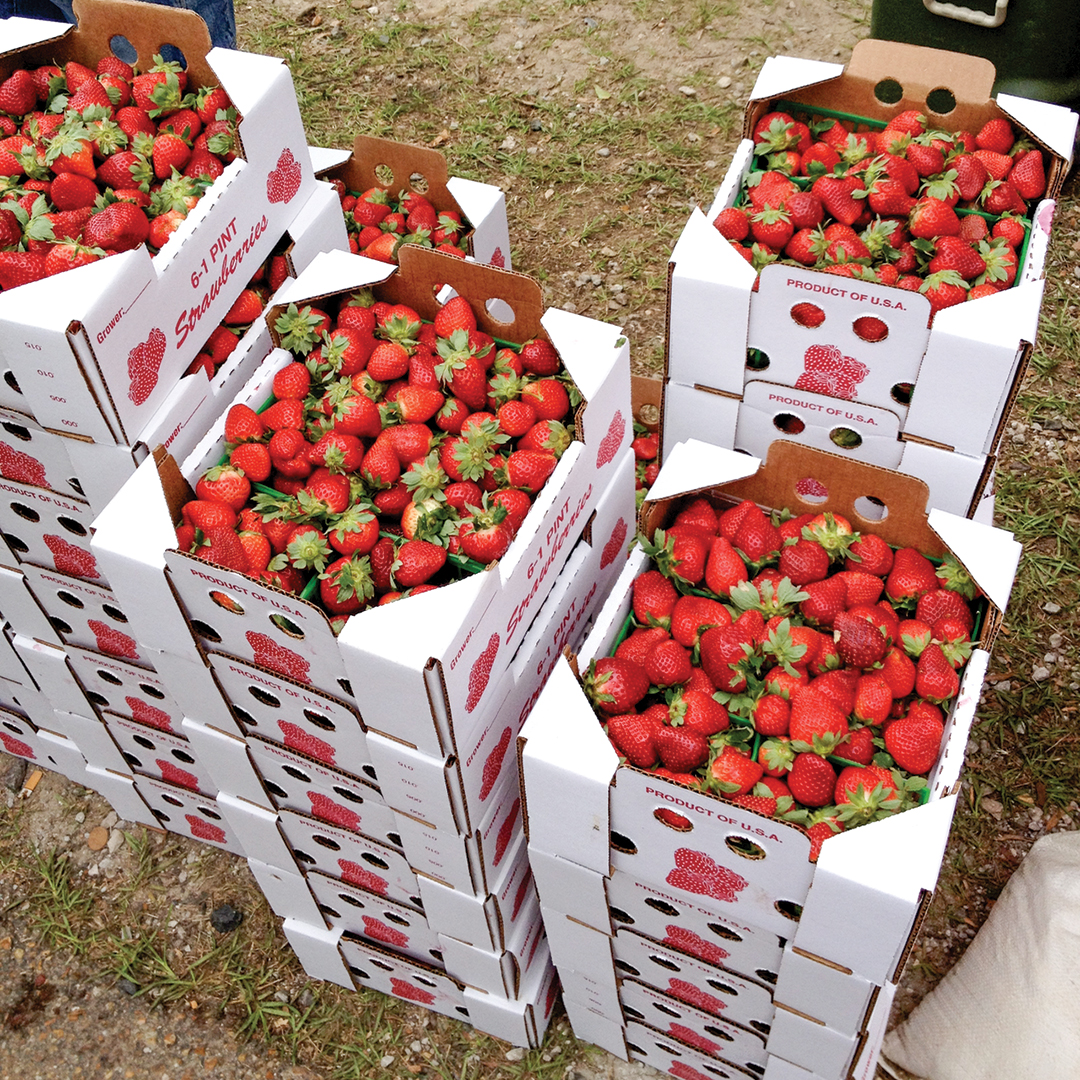
With their deep red hue and sweet, juicy flavor, Ponchatoula strawberries are one of southeastern Louisiana’s most cherished agricultural items. The little ruby jewels hold a certain magic in this small town that has come to be known as the “Strawberry Capital of the World” and home to the famed Ponchatoula Strawberry Festival.
Strawberries were introduced in Tangipahoa Parish in the post-Civil War era. Following the war, the region went into an economic decline with the demise of cotton farming due to the arrival of the boll weevil, deforestation, and cotton overproduction. Farmers in the area tried growing different crops and found that strawberries were easy to produce, due in part to the availability of land, the abundance of fresh water, and the availability of pine straw to line the fields during winter.
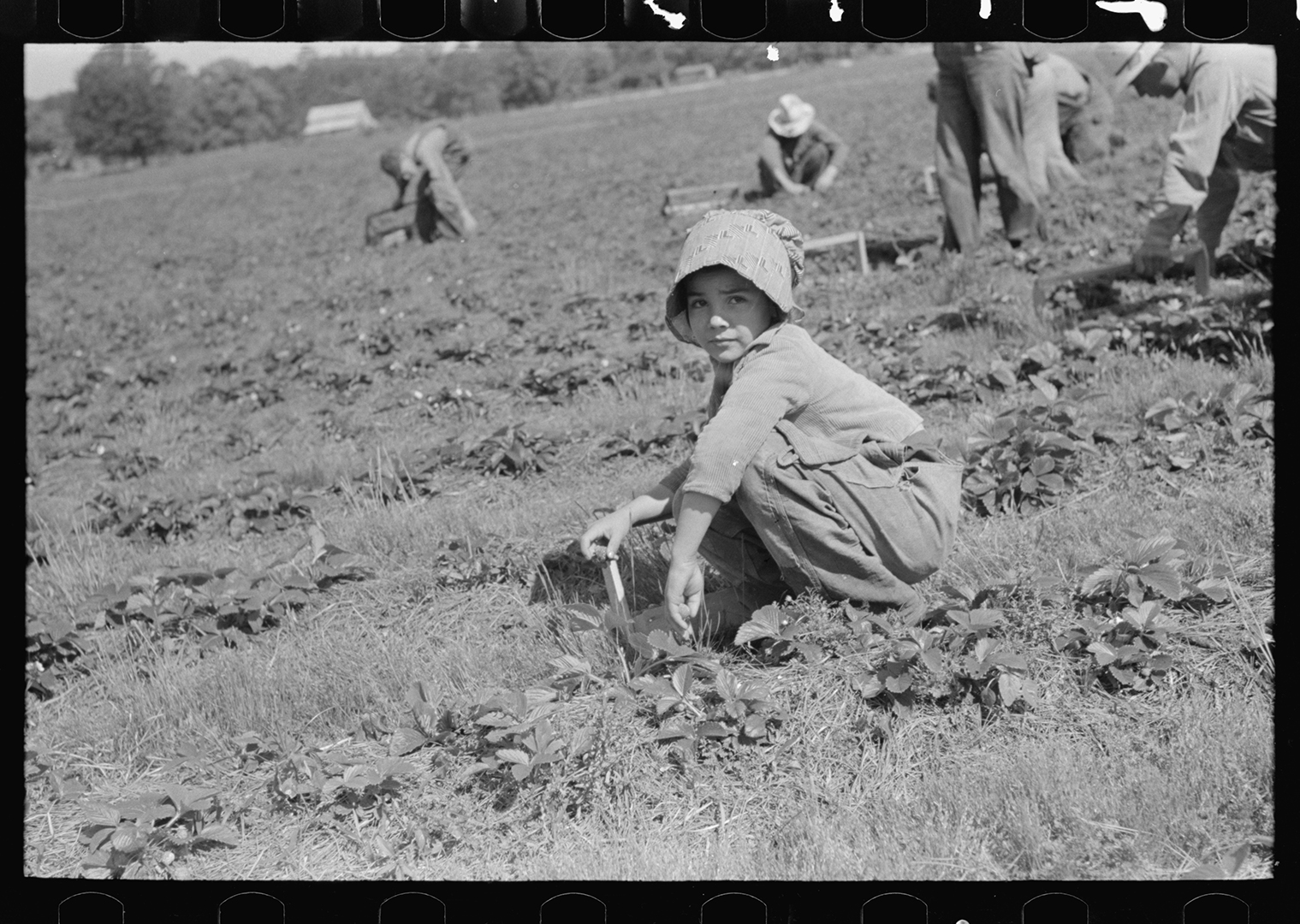 “The peculiar content of the soil produced a very flavorful berry, and the long warm season that we have was very useful for them, so it took off and it became a huge hit—not just because it was so easy to produce them here, but because of that special flavor,” says Dr. Samuel Hyde, director of Southeastern Louisiana University’s Center for Southeast Louisiana Studies.
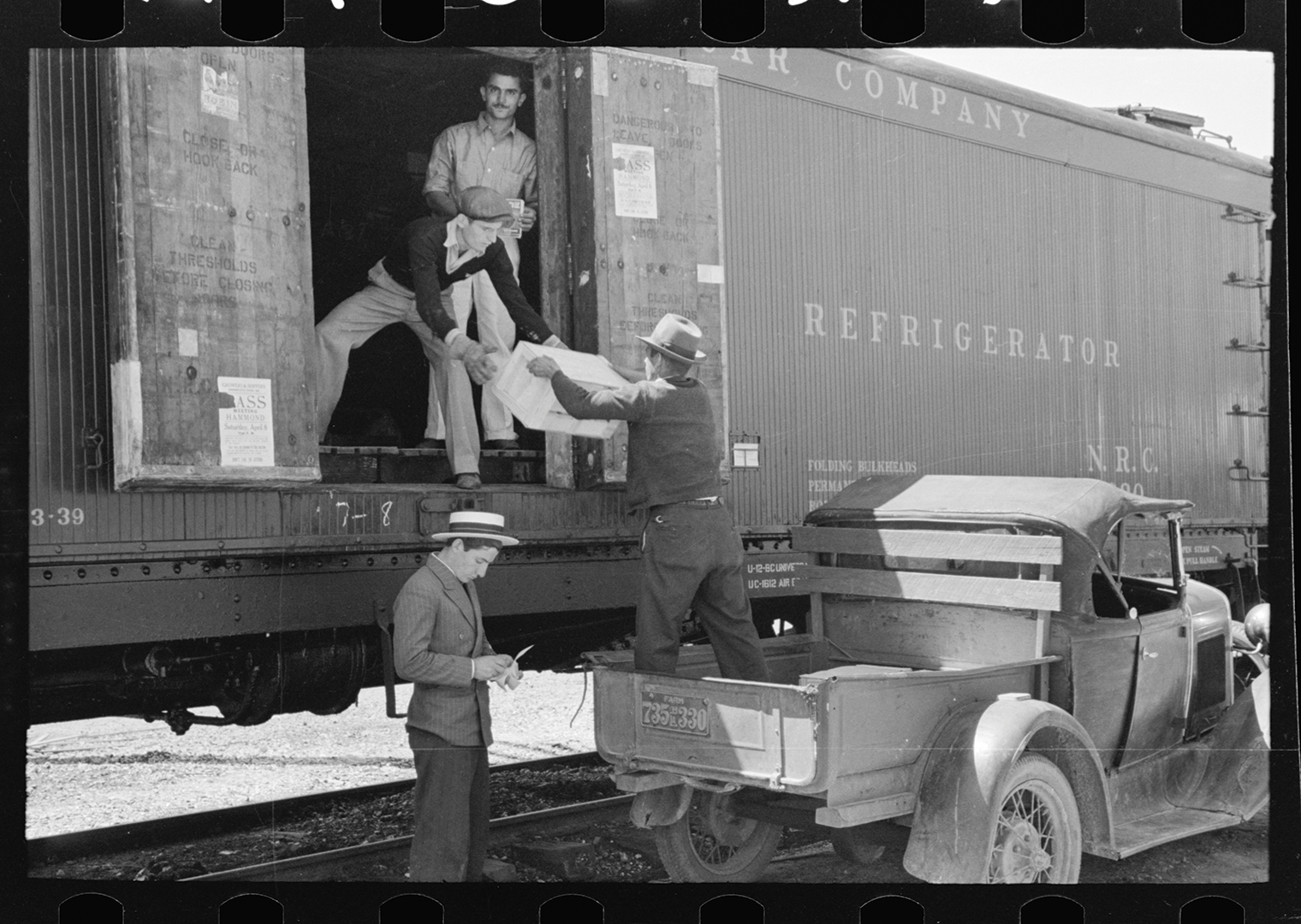
Throughout the early 20th century, strawberry production in the parish increased at an astounding rate, and it revolutionized the area’s economy. Not only did strawberry farming create jobs for farmers and their workers, but it also brought new industries with it, such as refrigeration plants and box and crate plants. Strawberry farming also led to a railroad industry boom in southeastern Louisiana as refrigeration cars were constructed to help transport the berries by train.
Regional culture began to reflect the impact of strawberry farming, and at one time, virtually every town in the area hosted its own strawberry festival and named a strawberry queen. The regional identification with strawberries even trickled into college athletics when Southeastern Louisiana University built its football stadium in 1937 and named it Strawberry Stadium.
 The development of the strawberry industry did face some struggles, such as disagreements between unions, independent farmers, and adjacent industries. Several politicians rose out of those disputes, including James “Jimmie” Morrison, who became the champion of union members in the area as attorney for the Louisiana Farmers Protective Union.
While there are fewer strawberry farmers in Tangipahoa Parish today, it still holds the honor of being the state’s leading strawberry-producing parish. According to LSU AgCenter, in 2016, Louisiana had 73 strawberry growers producing berries on 369 acres, grossing $17 million in sales. Of those numbers, Tangipahoa Parish accounts for about 80 percent.
Eighth-generation Ponchatoula farmer Eric Morrow, whose family has grown strawberries there on the same land since the late 1800s, says that while there are only a few people still farming Ponchatoula strawberries, he believes that the people who are in the business are there to stay. Eric says that Ponchatoula strawberries retain a unique flavor and superior quality because they are picked and sold at the peak of freshness as opposed to berries that have been cooled and shipped from other states.
“They are picked ripe, and most of the berries that are picked here are sold directly to the local economy,” Eric says. “If you pick a berry that day, it’s usually taken home by somebody that day.”
The impact of strawberries in Tangipahoa Parish is undeniable. From the economic effects to the cultural influences, nearly every aspect of life in the region has been touched by the strawberry industry.